
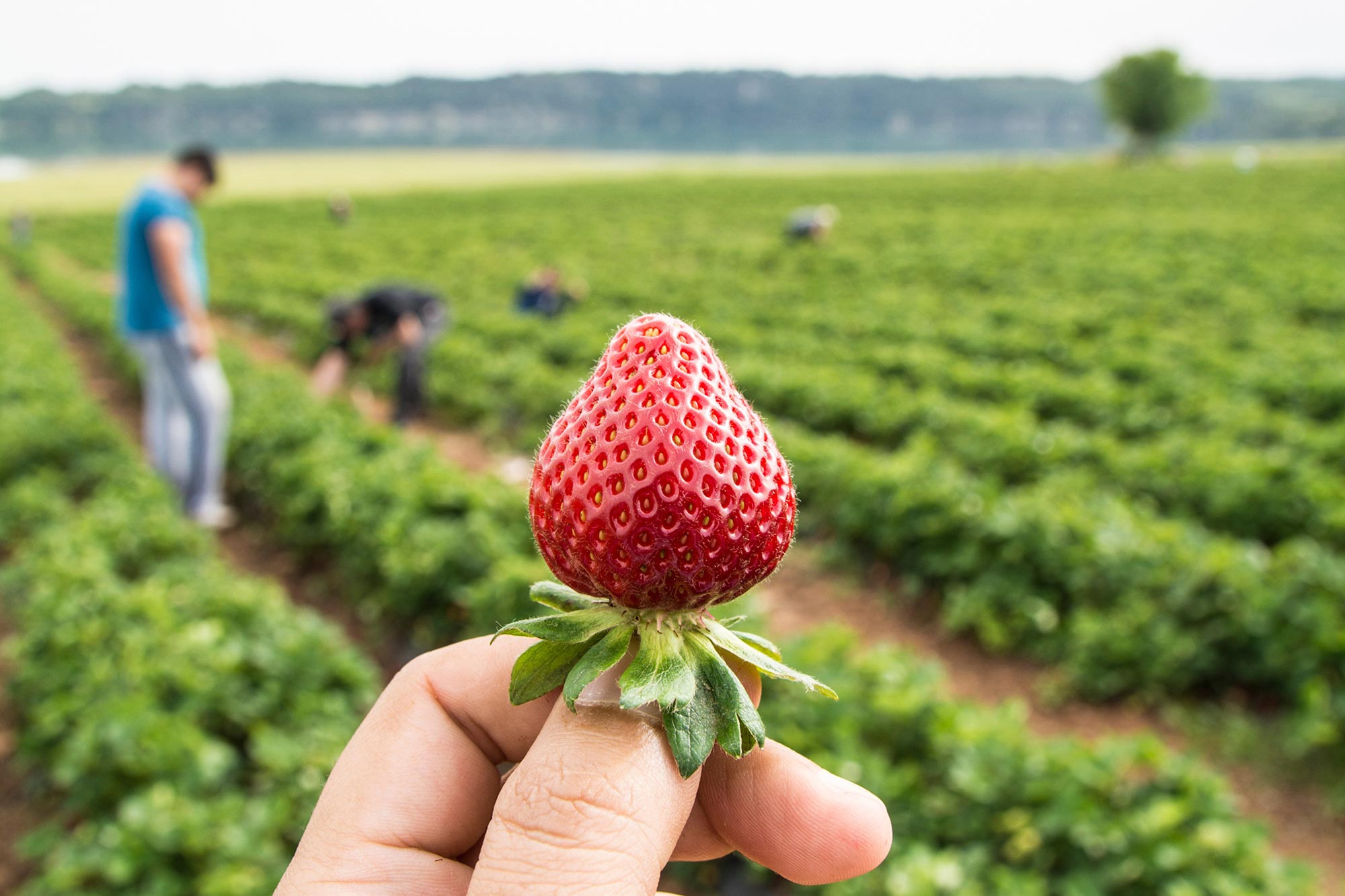
A groundbreaking study has unveiled key genetic markers and candidate genes essential for improving the quality traits of strawberries, promising more vibrant, juicier, and longer-lasting fruits.
Researchers from the University of Bordeaux have leveraged genome-wide association studies to advance our understanding of strawberry genetics, pinpointing 71 associations across 11 traits that influence fruit quality. This research not only highlights the importance of genetic diversity in European strawberry varieties but also provides practical markers for breeding programs aiming to enhance firmness, weight, and glossiness without sacrificing flavor.
Breakthrough in Strawberry Breeding
Strawberries, treasured for their flavor and health benefits, have been at the forefront of breeding programs targeting enhanced sensory and nutritional profiles. Despite advances, the intricate genetic makeup of these fruits has complicated efforts to improve them. This new study offers a breakthrough by identifying key genetic markers and candidate genes that control quality traits, enabling more precise and successful breeding strategies to cultivate strawberries that are juicier, more vibrant, and longer-lasting.
Advancements in Genetic Research
Strawberry breeding faces the challenge of balancing genetic diversity with the improvement of fruit quality traits like firmness and flavor. Traditional breeding methods have often struggled to meet these dual demands. Recent advancements in genetic research, particularly genome-wide association studies (GWAS), have provided new opportunities to explore and enhance these traits. Based on these challenges, there is a pressing need to conduct in-depth research on the genetic factors that influence fruit quality in strawberries, leveraging the rich genetic diversity available in European strawberry varieties.
Researchers from the University of Bordeaux, in collaboration with Invenio, have made significant strides in strawberry research. Their findings, published recently in the journal Horticulture Research, explore the genetic evolution of strawberry diversity and identify molecular markers for breeding programs, aiming to enhance the fruit’s weight, firmness, composition, and appearance.
Genetic Markers and Quality Traits
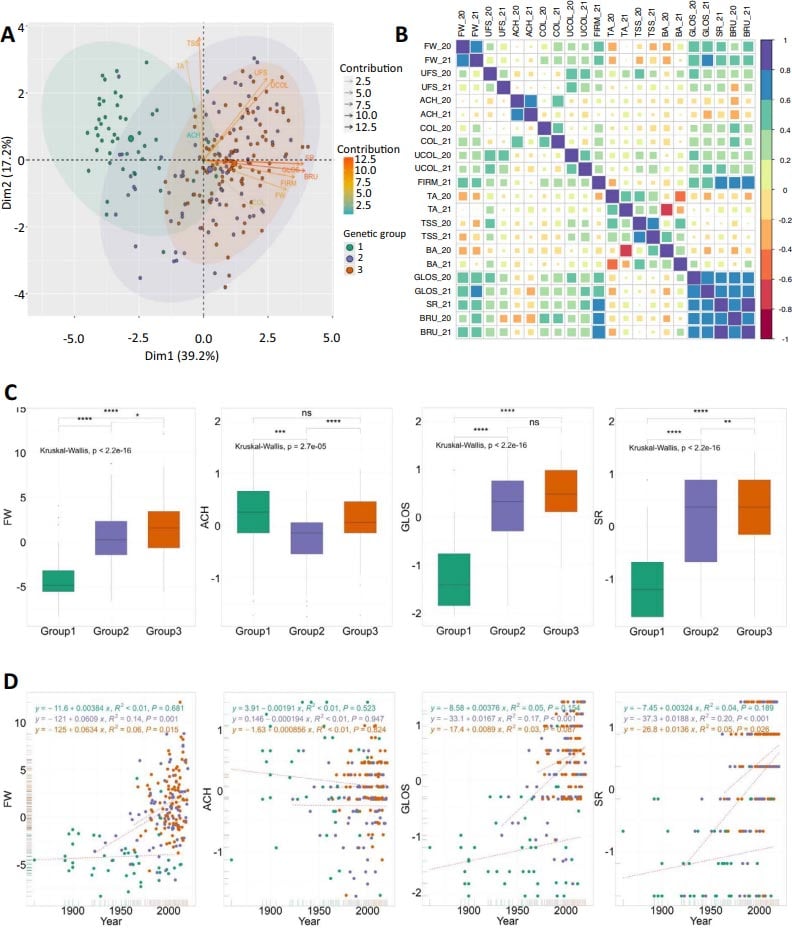
The study uncovered significant genetic markers linked to key fruit quality traits, such as fruit weight, firmness, and glossiness. Utilizing GWAS, the researchers identified 71 associations with 11 different quality traits, validating known markers and discovering new quantitative trait loci (QTL). Notably, three of the six selective sweeps identified are associated with glossiness and skin resistance—traits that enhance fruit appeal and shelf life.
These findings demonstrate substantial improvements in breeding targets achieved across European and American cultivars. The study also highlighted regions of reduced genetic diversity due to selection pressure, underscoring the impact of breeding on genetic variation. This research emphasizes the value of untapped genetic resources in European strawberries, offering promising avenues for breeding programs to enhance fruit quality without compromising flavor and color.
Implications for Future Breeding
Dr. Béatrice Denoyes, one of the lead researchers, stated, “This study offers a comprehensive view of strawberry genetic diversity and its impact on fruit quality. The identification of new genetic markers will significantly aid breeding programs focused on improving fruit traits that are important to both growers and consumers.”
The findings from this study have substantial implications for strawberry breeding programs. By utilizing the newly identified genetic markers, breeders can more effectively select traits that enhance fruit quality, such as firmness and glossiness. This will not only improve the consumer experience but also reduce postharvest losses, contributing to more sustainable agricultural practices.
Reference: “Exploration of a European-centered strawberry diversity panel provides markers and candidate genes for the control of fruit quality traits” by Alexandre Prohaska, Pol Rey-Serra, Johann Petit, Aurélie Petit, Justine Perrotte, Christophe Rothan and Béatrice Denoyes, 14 May 2024, Horticulture Research.
DOI: 10.1093/hr/uhae137
Never miss a breakthrough: Join the SciTechDaily newsletter.
Follow us on Google and Google News.