
Close Menu
    Facebook X (Twitter) Instagram
    SciTechDaily
    • Biology
    • Chemistry
    • Earth
    • Health
    • Physics
    • Science
    • Space
    • Technology
    Facebook X (Twitter) Pinterest YouTube RSS
    SciTechDaily
    Home»Health»Scientists Grew Human Tear Glands to Solve a Painful Mystery
    Health

    Scientists Grew Human Tear Glands to Solve a Painful Mystery

    By International Society for Stem Cell ResearchDecember 18, 2025No Comments3 Mins Read
    Facebook Twitter Pinterest Telegram LinkedIn WhatsApp Email Reddit
    Share
    Facebook Twitter LinkedIn Pinterest Telegram Email Reddit
    Red Dry Blue Open Eye
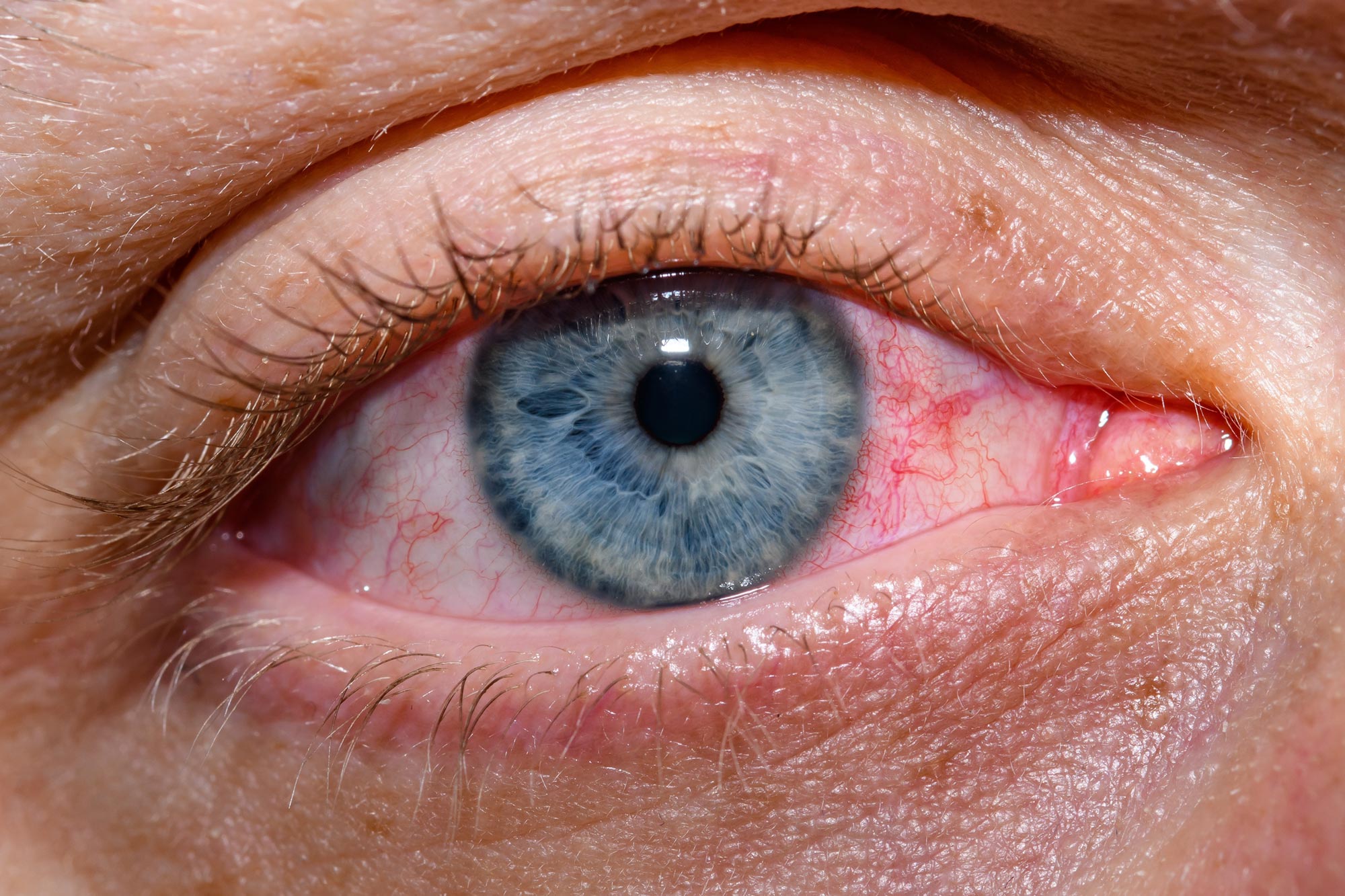
    Dry eye disease is more than an annoyance—it can damage the eye’s surface and threaten vision. Scientists discovered that a vital cellular cleanup process, autophagy, plays a major role in keeping tear glands working properly. Credit: Shutterstock

    A hidden cellular cleanup system may hold the key to healthier tear glands—and new hope for treating dry eye disease.

    Roughly 5 to 15 percent of people experience dry eye problems, a condition marked by symptoms such as redness, stinging or burning sensations, and tired, uncomfortable eyes. Dry eye disease (DED) develops when the tear glands fail to produce enough tears or when the tears lack proper quality. This breakdown can be linked to factors such as allergies, autoimmune disorders, hormonal shifts, aging, and other influences.

    If the condition is not treated, dry eyes can raise the risk of eye infections and cause damage to the surface of the eye, potentially leading to vision impairment.

    A Cellular Cleanup Process May Play a Key Role

    Scientists suspect that a fundamental cellular process called autophagy is disrupted in the tear glands of people with DED. Autophagy acts as a cleanup system inside cells, removing damaged proteins and other unwanted material so cells can function properly.

    To explore how this process is connected to dry eye disease and to identify possible new treatment strategies, Sovan Sarkar and his research team at the University of Birmingham in the UK created tear gland organoids from stem cells. These lab-grown, three-dimensional structures closely resemble human tear glands. Their findings were recently reported in Stem Cell Reports.
    Stem Cell-Derived Tear Glands
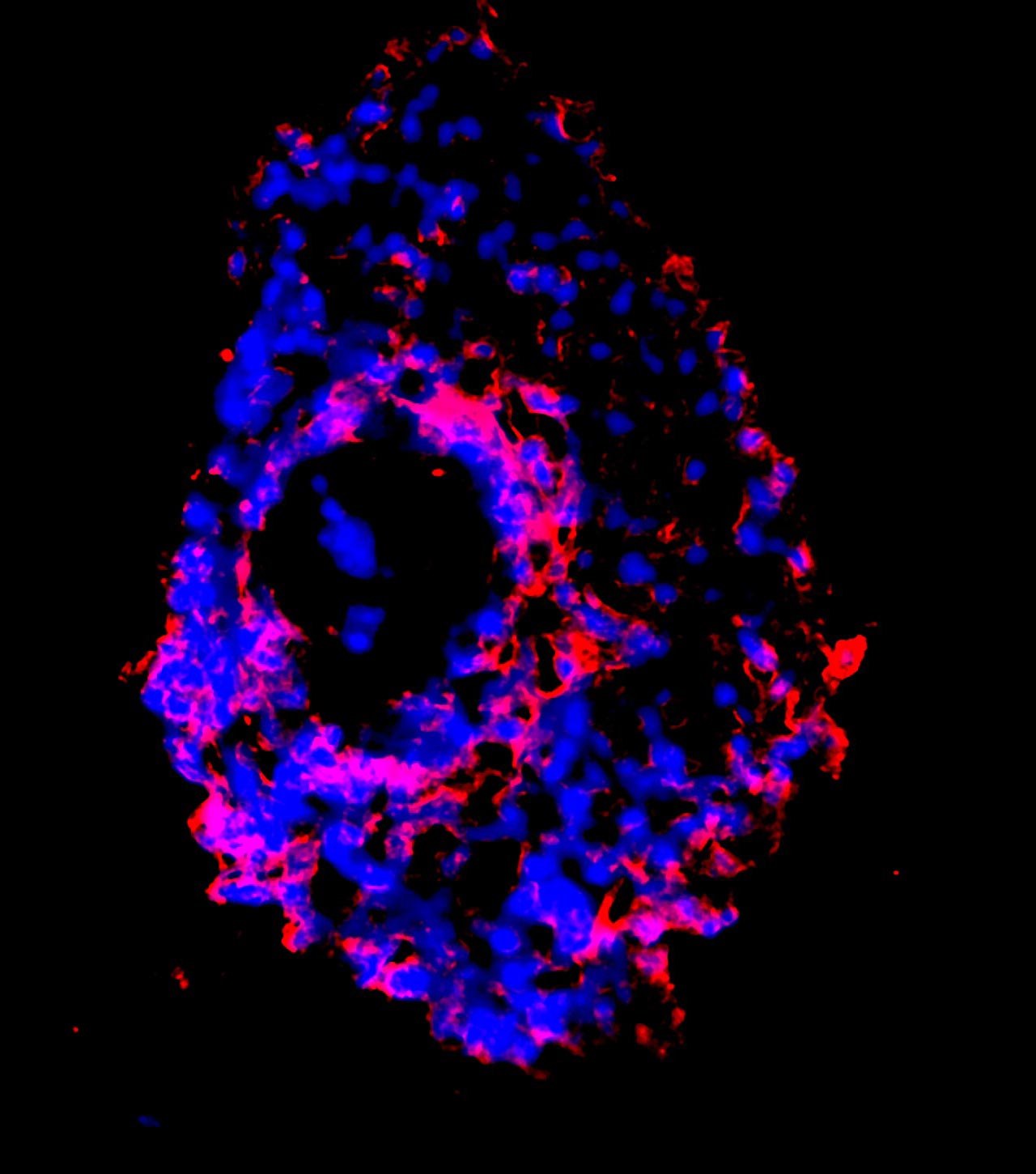
    Immunofluorescence image of cleaved caspase-3 in autophagy-deficient hESC-derived LG-like organoids, indicating high levels of cell death in the absence of autophagy. Credit: Gamze Kocak in Sovan Sarkar lab at the University of Birmingham, UK

    Lab-Grown Tear Glands Reveal What Goes Wrong

    The stem cell-derived organoids contained the full range of cell types normally found in human tear glands and were able to produce tear proteins that help lubricate the eye and protect it from infection. When the researchers used a genetic technique to switch off autophagy in these organoids, the results were striking. The normal balance of cells was disrupted, tear protein production dropped, and more cells died.

    However, when the researchers treated the autophagy-deficient organoids with nicotinamide mononucleotide (NMN) or melatonin, the damage was reduced. These compounds helped limit cell death and restored the release of tear proteins in the model.

    Why Autophagy Matters for Tear Gland Health

    “Autophagy is essential for proper tissue development and organ function. Here, we provide genetic evidence that autophagy is required for glandular tissue development by using autophagy-deficient human embryonic stem cells to generate tear glands with developmental and functional defects,” Sovan Sarker said.

    The newly developed human stem cell-based tear gland model gives researchers a practical and accessible way to investigate how tear glands work and how their function might be adjusted. This approach could ultimately support the development of new methods to prevent or treat dry eye disease.

    Reference: “Autophagy is required for the development and functionality of lacrimal gland-like organoids” by Gamze Kocak, Miriam E. Korsgen, Leticia F. Amores, Congxin Sun, Merve Ceylan, Asmaa Ghazwani, Merve Kandirici, Malgorzata Zatyka, Elena Seranova, Animesh Acharjee, Timothy Barrett, Bayram Yuksel, Adil Mardinoglu, Sinan Güven and Sovan Sarkar, 18 December 2025, Stem Cell Reports.
    DOI: 10.1016/j.stemcr.2025.102744

    Never miss a breakthrough: Join the SciTechDaily newsletter.
    Follow us on Google and Google News.

    Eyes Organoids Popular Stem Cells
    Share. Facebook Twitter Pinterest LinkedIn Email Reddit

    Related Articles

    Tiny Lab-Grown Spinal Cords Could Hold the Key to Healing Paralysis

    Common Food Additive Solves Decades-Long Neuroscience Problem

    No More Cavities? Organoids Pave the Way for Enamel Regeneration

    Gene Therapy Reverses Effects of Autism-Linked Mutation in Human Brain Organoids

    New Scientific Study Shows Fish Oil May Help Treat Depression

    New Stem Cell-Based Topical Solution Helps Bald People Regrow Hair

    Stem Cell Technology Rejuvenates Old Human Cells by Wiping Their DNA Clean

    Researchers Reverse Diabetes in a Mouse Model Using Modified Stem Cells

    Engineered Stem Cells Suppress HIV in Living Tissues

    Leave A Reply Cancel Reply

    • Facebook
    • Twitter
    • Pinterest
    • YouTube

    Don't Miss a Discovery

    Subscribe for the Latest in Science & Tech!

    Trending News

    AI Could Detect Early Signs of Alzheimer’s in Under a Minute – Far Before Traditional Tests

    What if Dark Matter Has Two Forms? Bold New Hypothesis Could Explain a Cosmic Mystery

    This Metal Melts in Your Hand – and Scientists Just Discovered Something Strange

    Beef vs. Chicken: Surprising Results From New Prediabetes Study

    Alzheimer’s Breakthrough: Scientists Discover Key Protein May Prevent Toxic Protein Clumps in the Brain

    Quantum Reality Gets Stranger: Physicists Put a Lump of Metal in Two Places at Once

    Scientists May Have Found the Key to Jupiter and Saturn’s Moon Mystery

    Scientists Uncover Brain Changes That Link Pain to Depression

    Follow SciTechDaily
    • Facebook
    • Twitter
    • YouTube
    • Pinterest
    • Newsletter
    • RSS
    SciTech News
    • Biology News
    • Chemistry News
    • Earth News
    • Health News
    • Physics News
    • Science News
    • Space News
    • Technology News
    Recent Posts
    • What if Your Memories Never Happened? Physicists Take a New Look at the Boltzmann Brain Paradox
    • Students Found an Ancient Star That Shouldn’t Be in the Milky Way
    • Astronomers Solve 50-Year Mystery and Reveal Hidden Culprit Behind Strange X-Ray Emissions
    • One of the Universe’s Largest Stars May Be Getting Ready To Explode
    • Scientists Discover Enzyme That Could Supercharge Ozempic-Like Weight Loss Drugs
    Copyright © 1998 - 2026 SciTechDaily. All Rights Reserved.
    • Science News
    • About
    • Contact
    • Editorial Board
    • Privacy Policy
    • Terms of Use

    Type above and press Enter to search. Press Esc to cancel.