
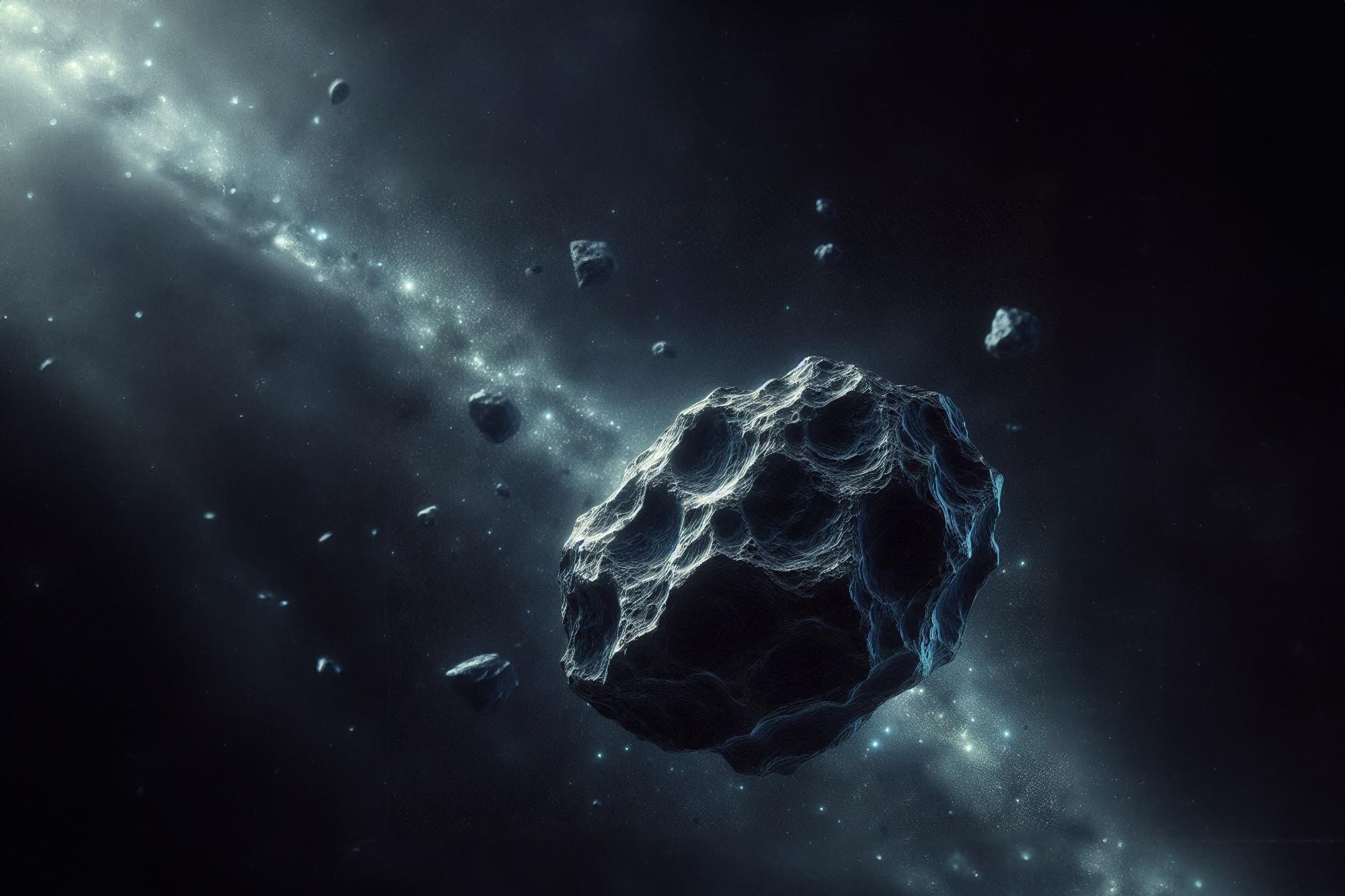
Researchers found that 70% of meteorites originate from three asteroid families formed by recent collisions. They have identified the sources of over 90% of all known meteorites.
A research team, led by scientists from the CNRS, the European Southern Observatory (ESO, Europe), and Charles University (Czech Republic), has discovered that 70% of all known meteorite falls can be traced back to just three young asteroid families. These families formed as a result of three recent collisions in the main asteroid belt that took place 5.8, 7.5, and approximately 40 million years ago.
The team also revealed the sources of other types of meteorites; with this research, the origin of more than 90% of meteorites has now been identified. This discovery is detailed in three papers, a first published on 13 September 2024 in the journal Astronomy and Astrophysics, and two new papers to be published on 16 October 2024 in Nature.
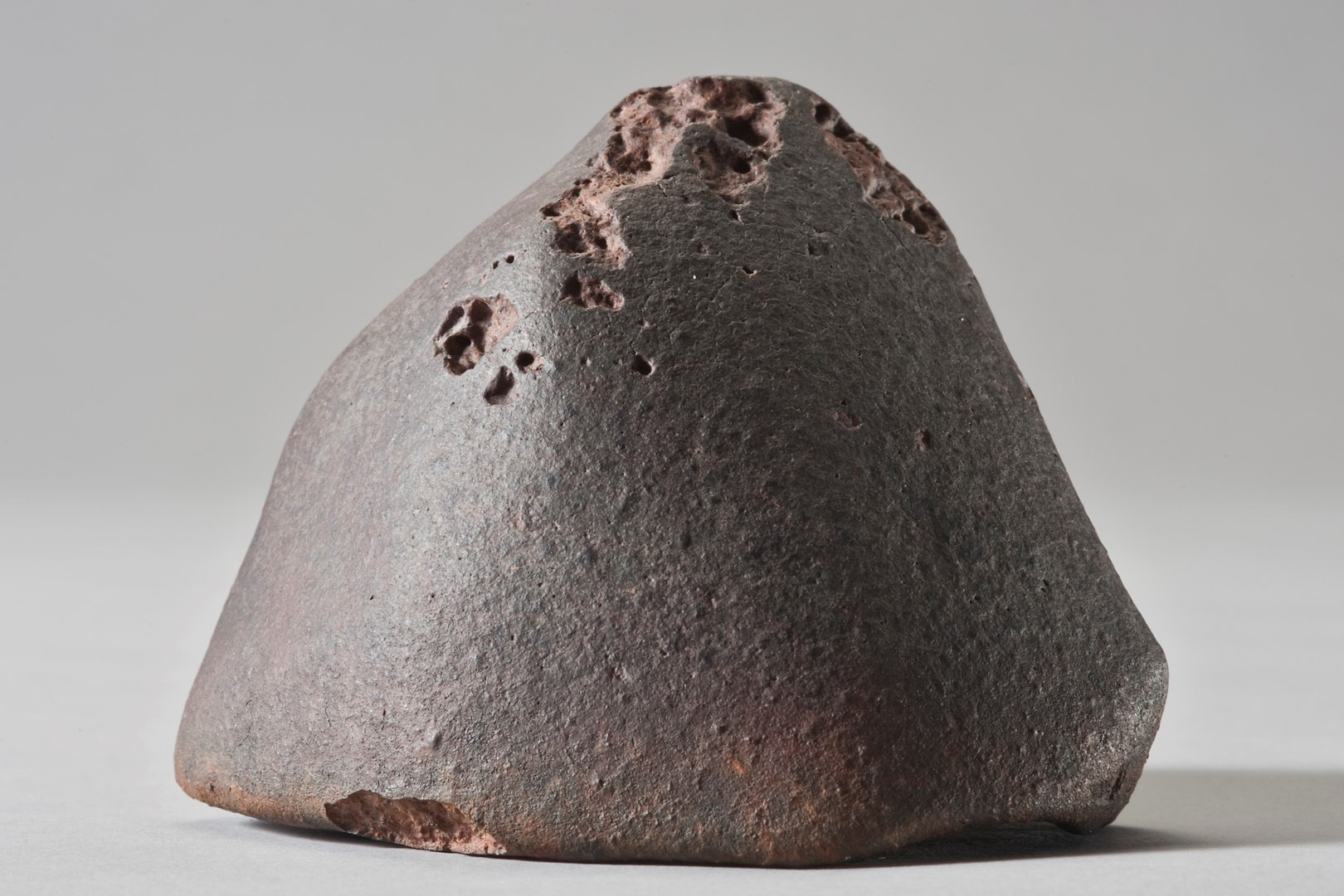
An international team of researchers has shown that 70% of all known meteorite falls originate from three young asteroid families (Karin, Koronis, and Massalia) formed by collisions in the main asteroid belt 5.8, 7.5, and about 40 million years ago. In particular, the Massalia family has been identified as the source of 37% of known meteorites.
While more than 70,000 meteorites are known, only 6% have been clearly identified by their composition (achondrites) as coming from the Moon, Mars, or Vesta, one of the largest asteroids in the main belt. The source of the other 94% of meteorites, the majority of which are ordinary chondrites, had remained unidentified.
Why are these three young families the source of so many meteorites?
This can be explained by the life cycle of asteroid families. Young families are characterized by an abundance of small fragments left over from collisions. This abundance increases the risk of collisions between fragments and, coupled with their high mobility, their escape from the belt, possibly in the direction of Earth.
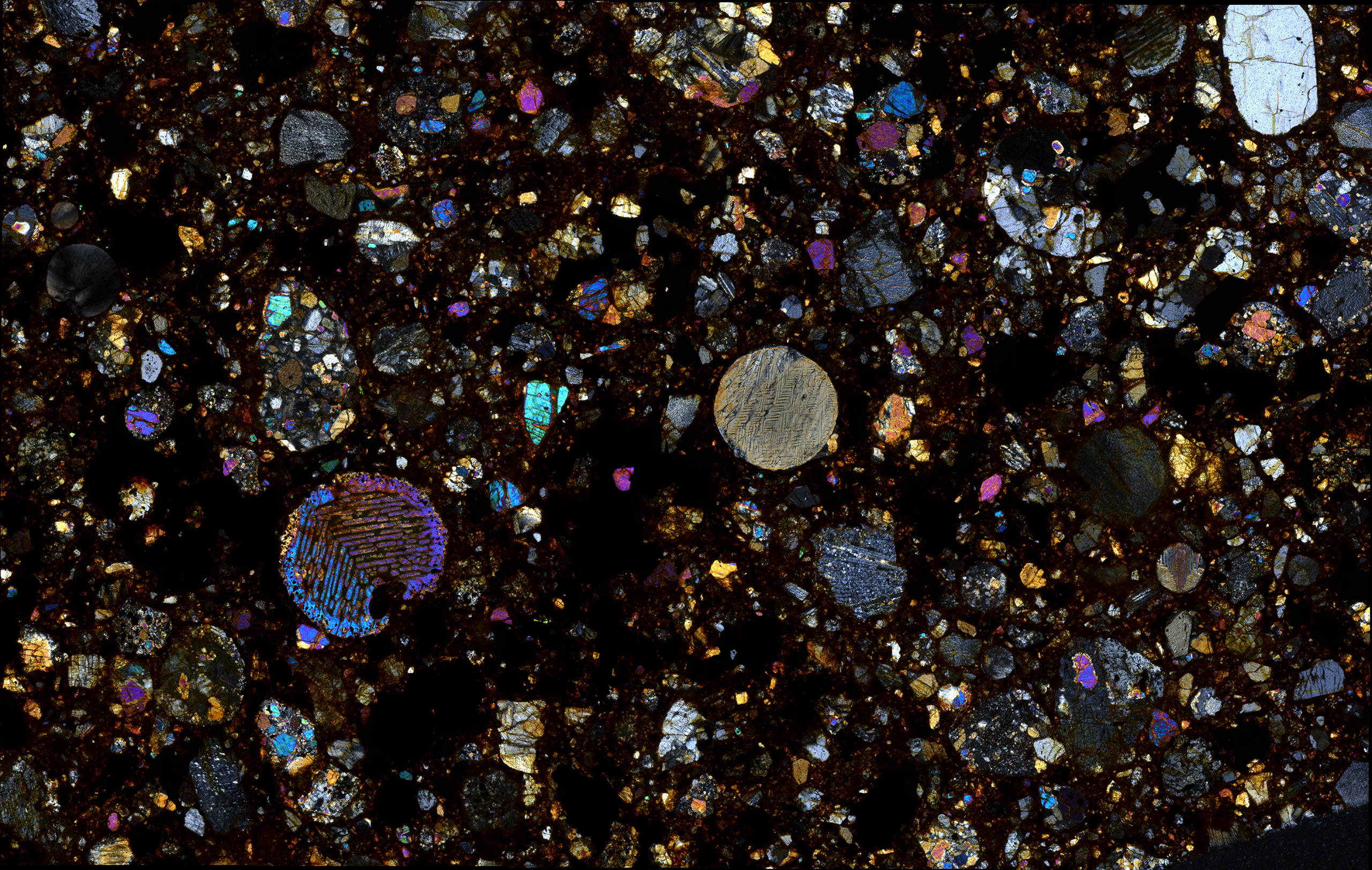
The asteroid families produced by older collisions, on the other hand, are “depleted” sources of meteorites. The abundance of small fragments that once made them up has naturally eroded and finally disappeared after tens of millions of years of successive collisions and their dynamic evolution.
Thus, Karin, Koronis, and Massalia will inevitably coexist with new sources of meteorites from more recent collisions and eventually give way to them.
A method for tracing the family tree of meteorites and asteroids
This historic discovery was made possible by a telescopic survey of the composition of all the major asteroid families in the main belt, combined with state-of-the-art computer simulations of the collisional and dynamical evolution of these major families. This approach has been extended to all meteorite families, revealing the primary sources of the carbonaceous chondrites and achondrites, which come in addition to those from the Moon, Mars, and Vesta.
Thanks to this research, the origin of more than 90% of meteorites has now been identified. It has also enabled scientists to trace the origin of kilometre-sized asteroids (a size that threatens life on Earth). These objects are the focus of many space missions (NEAR Shoemaker, Hayabusa1, Chang’E 2, Hayabusa2, OSIRIS-Rex, DART, Hera, etc.).
In particular, it appears that the asteroids Ryugu and Bennu, recently sampled by the Hayabusa2 (Japanese Aerospace Exploration Agency JAXA) and OSIRIS-REx (NASA) missions and studied in laboratories around the world, particularly in France, are derived from the same parent asteroid as the Polana family.
The origin of the remaining 10 percent of known meteorites is still unknown. To remedy this, the team plans to continue their research, this time focusing on characterizing all young families that were formed less than 50 million years ago.
References:
“Source regions of carbonaceous meteorites and near-Earth objects” by M. Brož, P. Vernazza, M. Marsset, R. P. Binzel, F. DeMeo, M. Birlan, F. Colas, S. Anghel, S. Bouley, C. Blanpain, J. Gattacceca, S. Jeanne, L. Jorda, J. Lecubin, A. Malgoyre, A. Steinhausser, J. Vaubaillon and B. Zanda, 13 September 2024, Astronomy & Astrophysics.
DOI: 10.1051/0004-6361/202450532
“Young asteroid families as the primary source of meteorites” by M. Brož, P. Vernazza, M. Marsset, F. E. DeMeo, R. P. Binzel, D. Vokrouhlický and D. Nesvorný, 16 October 2024, Nature.
DOI: 10.1038/s41586-024-08006-7
“The Massalia asteroid family as the origin of ordinary L chondrites” by M. Marsset, P. Vernazza, M. Brož, C. A. Thomas, F. E. DeMeo, B. Burt, R. P. Binzel, V. Reddy, A. McGraw, C. Avdellidou, B. Carry, S. Slivan and D. Polishook, 16 October 2024, Nature.
DOI: 10.1038/s41586-024-08007-6
Never miss a breakthrough: Join the SciTechDaily newsletter.
Follow us on Google and Google News.
2 Comments
18:10:24. Good job and good luck for your Quest. I hope you are Enjoying your Home work and your Assignment. Have a great day to you all. Thanks. M. Luke.
A research on impactors that have impact – from knowing almost nothing on origins to knowing almost all.