
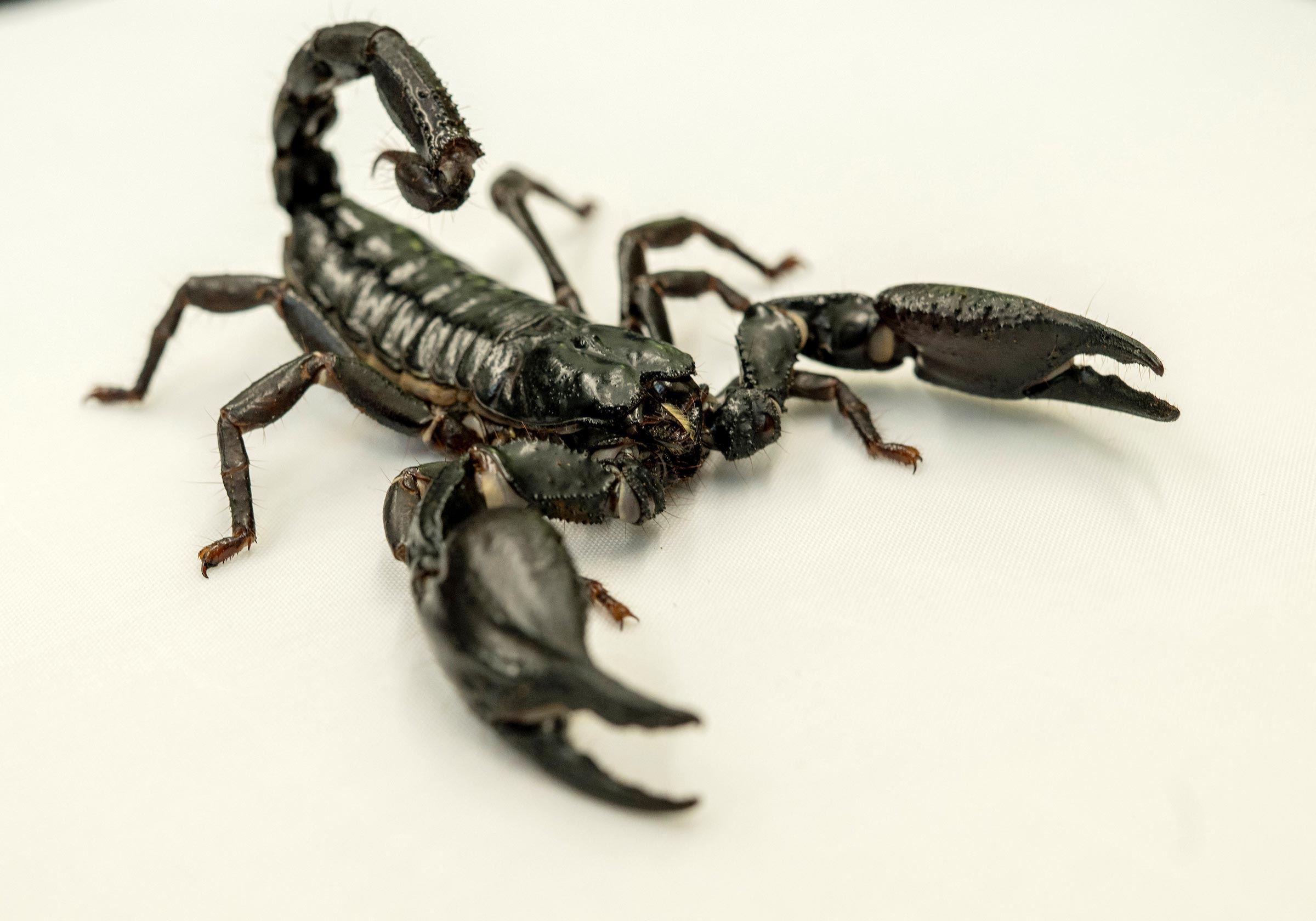
Scientists can now map deadly scorpion hotspots—offering a new weapon against one of the tropics’ most overlooked health threats.
An international group of researchers has developed a way to identify and forecast hotspots for some of the world’s most dangerous scorpion species.
By analyzing environmental conditions, the scientists determined which factors allow highly venomous scorpions to survive and spread. Their findings could help authorities better understand where scorpion stings are most likely to occur across tropical regions worldwide.
The team combined on-the-ground fieldwork in Africa with advanced computer modeling to estimate where high-risk scorpion species are most likely to be found and what shapes their geographic range.
Their results revealed a clear pattern. Soil type is the strongest predictor of where many scorpions live, while temperature, including both average conditions and seasonal swings, plays a major role for certain species.
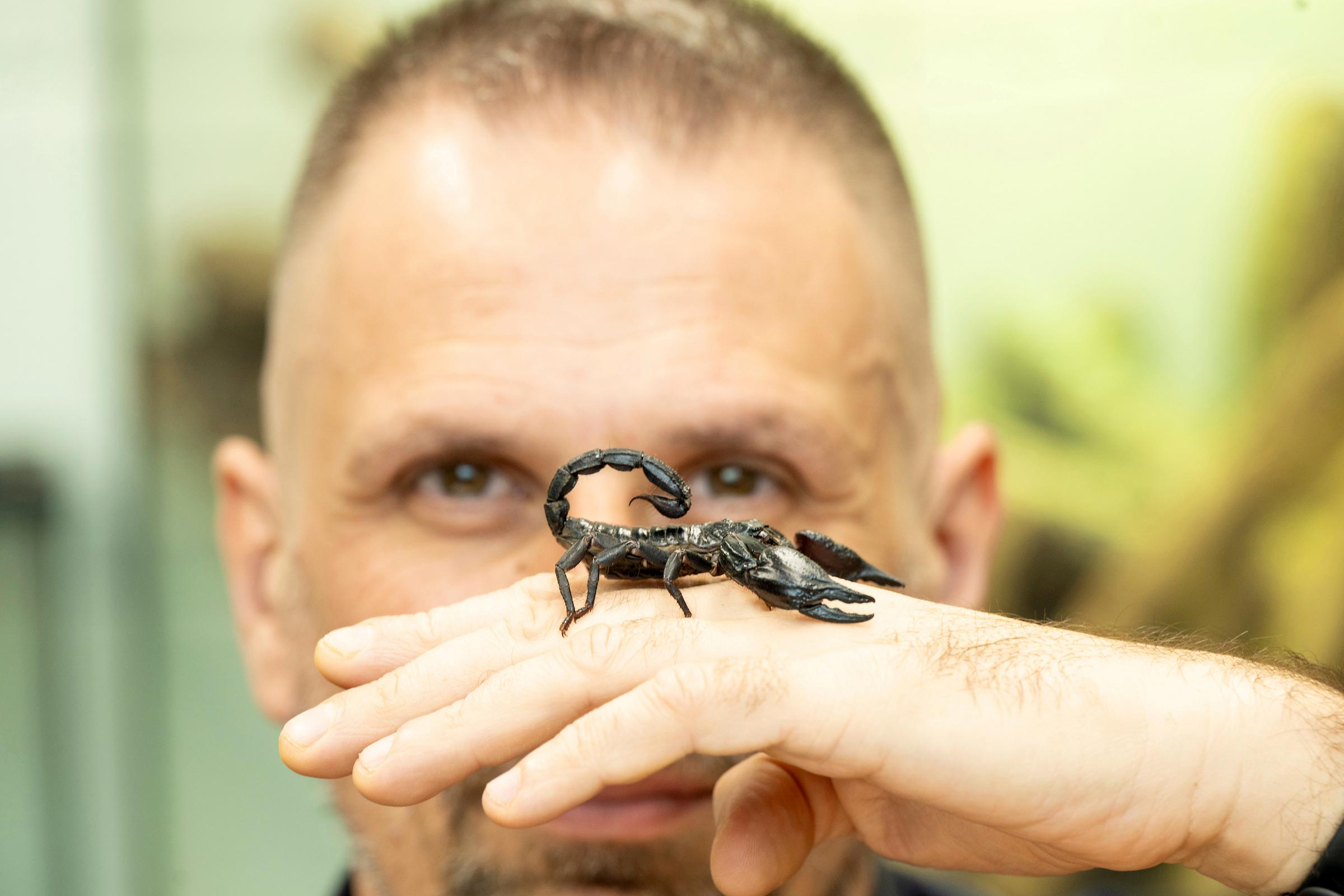
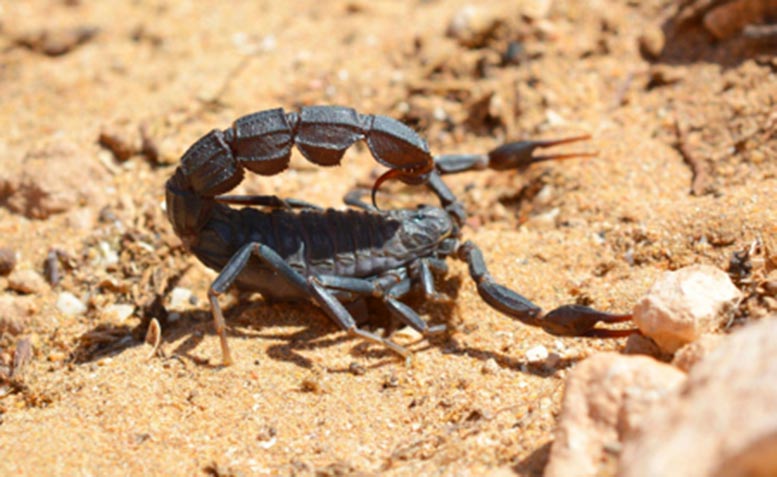
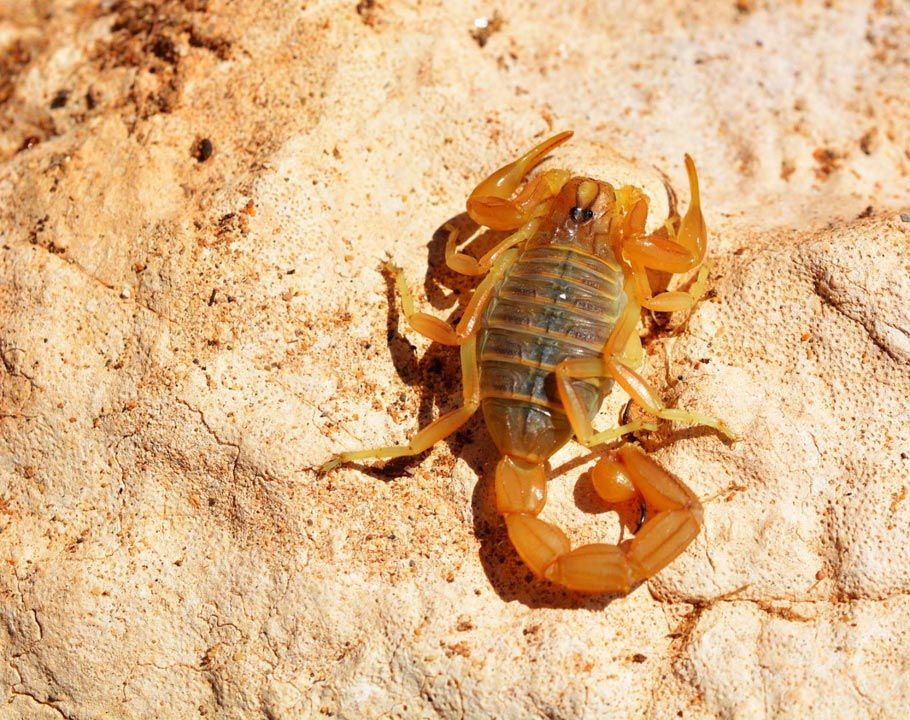
Not all scorpions respond to the environment in the same way. Some species are highly adaptable and occupy broad areas. Others appear limited to very specific habitats, creating concentrated pockets of danger where sting risk may be especially high.
The study was carried out by researchers from the University of Galway in collaboration with the University Ibn Zohr in Morocco.
Published in Environmental Research Communications, the work focuses on central Morocco, one of the most severe scorpion-sting hotspots in the world. The goal is to improve prevention efforts and support the development of better diagnostic tools and antivenoms.
Dr. Michel Dugon, Head of the Venom Systems Lab at University of Galway and senior author of the study, said: “The findings could save lives. By pinpointing where dangerous scorpions are most likely to appear, health authorities can target awareness campaigns, train frontline medical staff, and focus community prevention in high-risk areas, especially protecting children. The approach can be applied wherever scorpions pose a threat, from Brazil to the Middle East and India.”
A Hidden Global Health Crisis
Scorpion stings represent an often overlooked public health emergency, particularly in tropical and subtropical regions. More than 2 million people are stung each year. While most cases result in pain and swelling, certain species inject venom that can cause severe illness or death, especially among children and older adults. Worldwide, scorpion stings are estimated to kill more than 3,000 children every year.
Although antivenoms are available for several species, doctors frequently face a major challenge. It is often difficult to determine which scorpion delivered the sting, delaying the most effective treatment.
Using Ecological Modeling to Map Risk
To improve the identification of high-risk areas, the researchers applied a computer modeling method known as Maximum Entropy. This approach allowed them to predict where dangerous scorpions are likely to live and which environmental conditions they prefer.
By combining global datasets on soil composition, temperature, and habitat features, the team showed that it is possible to identify potential scorpion hotspots beyond Morocco. This is particularly valuable in tropical regions where detailed species records are scarce.
The project involved senior researchers and doctoral scientists from both universities, along with undergraduate students from the University of Galway who travel to Morocco each year as part of their Bachelor of Science Zoology program.
Dr. Dugon added: “Overall, we know very little about the ecology of scorpions, their venom, and the best way to treat scorpion stings. Our international collaborative efforts aim to develop new tools for the prevention, diagnostic and treatment of scorpion stings globally. This requires multidisciplinary teams including public health specialists, clinicians, zoologists, and members of local communities.”
Fouad Salhi, doctoral researcher at the University Ibn Zohr of Agadir and first author of the study, said: “This research shows how biodiversity data can inform public health policies. By combining long-term fieldwork with ecological modelling, we were able to identify where dangerous scorpions are most likely to occur. We aim to have real-world impact — supporting prevention strategies, improving medical preparedness, and ultimately contribute to the reduction of the burden of scorpion stings, both in Morocco and beyond.”
Dr. Colin Lawton, Head of Zoology at University of Galway and co-author of the study, said: “University of Galway is gaining momentum as a centre of excellence in zoological research, addressing questions of global importance, from fish stock to mammal conservation and animal-borne disease mitigation. We are very proud to integrate our BSc Zoology students into our research activities and international partnerships.”
Reference: “Ecological niche modelling and distribution of scorpion fauna in central Morocco: a MaxEnt study” by Fouad Salhi, Abderrafea Elbahi, Najat Ouakri, Colin Lawton, Jaouad Abou Oualid and Michel Dugon, 10 February 2026, Environmental Research Communications.
DOI: 10.1088/2515-7620/ae3fef
Never miss a breakthrough: Join the SciTechDaily newsletter.
Follow us on Google and Google News.
2 Comments
good
what is it this