
Close Menu
    Facebook X (Twitter) Instagram
    SciTechDaily
    • Biology
    • Chemistry
    • Earth
    • Health
    • Physics
    • Science
    • Space
    • Technology
    Facebook X (Twitter) Pinterest YouTube RSS
    SciTechDaily
    Home»Health»Scientists Look to Animals and Find Out What May Make Certain People More Vulnerable to COVID-19
    Health

    Scientists Look to Animals and Find Out What May Make Certain People More Vulnerable to COVID-19

    By McGill UniversityDecember 7, 2020No Comments4 Mins Read
    Facebook Twitter Pinterest Telegram LinkedIn WhatsApp Email Reddit
    Share
    Facebook Twitter LinkedIn Pinterest Telegram Email Reddit
    COVID Dog
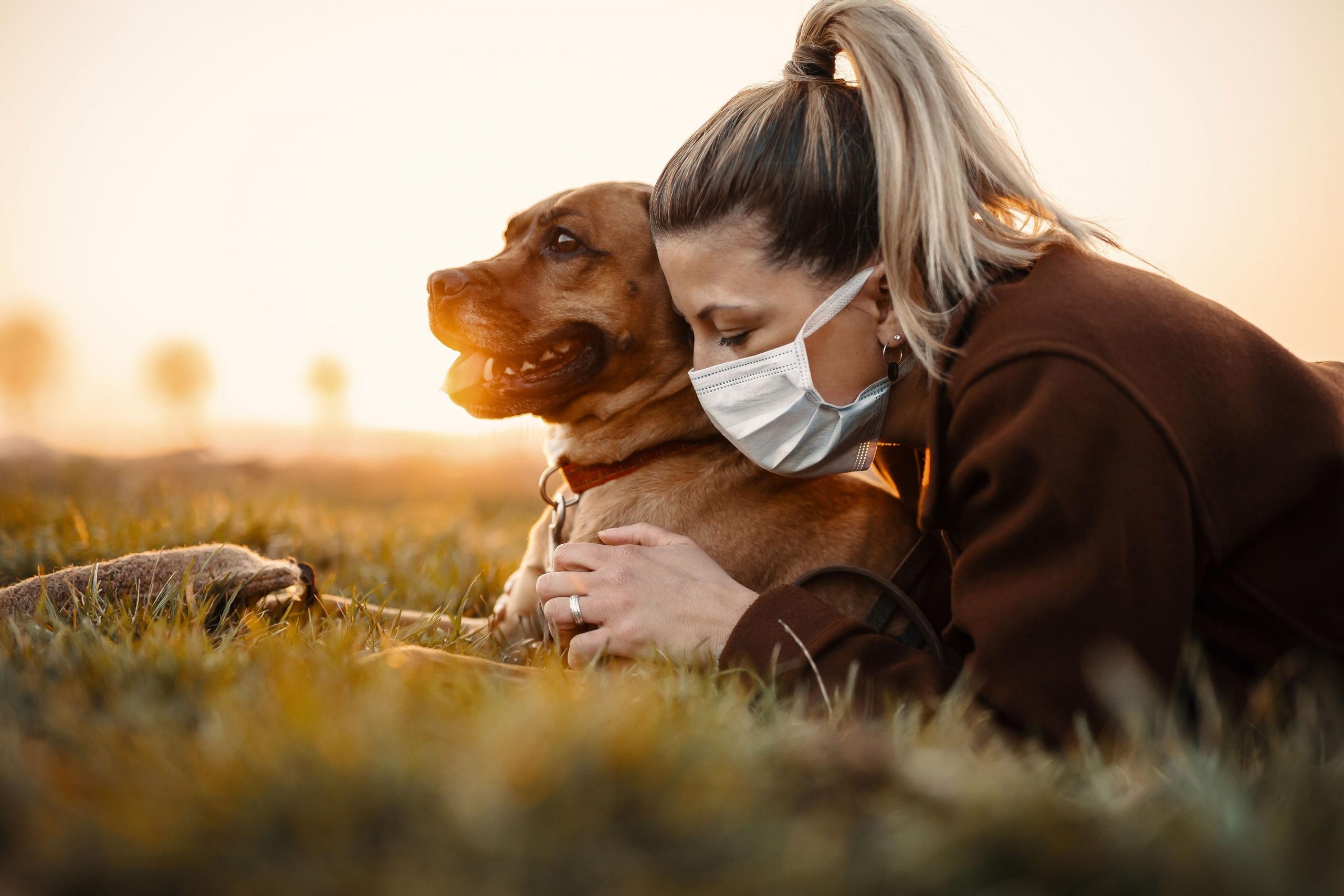
    What makes certain groups more vulnerable to COVID-19? Researchers look to animals to find clues in proteins involved in infection.

    Researchers look to animals to find clues in proteins involved in infection.

    What makes the elderly and people with underlying conditions more vulnerable to COVID-19? According to a new study led by McGill University researchers, clues can be found in the proteins involved in initiating infection, as the virus binds to host cells of different animals. Greater cellular oxidation with aging and sickness may explain why seniors and people with chronic illness get infected more often and more severely.

    Over 60 million people have been infected and around 1.5 million have died from COVID-19. The virus is disrupting economies and food supply chains all over the world. Understanding why some animals get infected and others do not could be the key to unlocking new treatments and therapies. In a study published in Computational and Structural Biotechnology Journal, researchers analyzed available protein sequences of the virus and host cell receptors across different spices to find out why.

    Redox Model of COVID-19 Infectivity
    In analyzing the proteins and their amino acid building blocks, the researchers found that animals susceptible to the virus have a few things in common. They have two cysteine amino acids that form a special disulfide bond held together by an oxidizing cellular environment. This disulfide bond creates an anchor for the virus. Credit: Jaswinder Singh


    “We know that the virus can infect humans, cats, dogs, and ferrets but not bovine and swine. Also, COVID-19 hits the elderly and people with underlying conditions more severely than the young and healthy ones. Until now reasons for this were unclear,” says McGill Professor Jaswinder Singh.

    The research was conducted by a multidisciplinary team of scientists led by Professor Singh. The team includes Professor Rajinder Dhindsa (McGill University), Professor Baljit Singh (University of Calgary), and Professor Vikram Misra (University of Saskatchewan).

    How COVID-19 infects cells

    Once inside a host cell, the virus hijacks the cell’s metabolic machinery to replicate and spread. The virus’s protein spikes attach to a protein receptor on the surface of the host cell called ACE2, fusing the membranes around the cell and the virus together. This process allows the virus to enter the cell and co-opt its protein-making machinery to make new copies of itself. The copies then go on to infect other healthy cells.

    In analyzing the proteins and their amino acid building blocks, the researchers found that animals susceptible to the virus have a few things in common. Such animals like humans, cats, and dogs have two cysteine amino acids that form a special disulfide bond held together by an oxidizing cellular environment. This disulfide bond creates an anchor for the virus. “Our analysis suggests that greater cellular oxidation in the elderly or those with underlying health conditions could predispose them to more vigorous infection, replication and disease,” says co-author Rajinder Dhindsa, an emeritus professor of biology at McGill University.

    In the case of animals resistant to the virus, like pigs and cows, one of these two cysteine amino acids is missing, and the disulfide bond cannot be formed. As a result, the virus cannot anchor onto the cell.

    According to the researchers, preventing the anchor from forming could be the key to unlocking new treatments for COVID-19. One strategy, they suggest, could be to disrupt the oxidizing environment that keeps the disulfide bonds intact. “Antioxidants could decrease the severity of COVID-19 by interfering with the entry of the virus into host cells and its survival afterward in establishing further infection,” says Professor Singh.

    In terms of next steps, the researchers say CRISPR technology could be used to edit protein sequences and test out their theory. The researchers are also looking into other proteins near the ACE2 receptor that may facilitate entry of the virus to see if they behave the same way.

    Reference: “SARS-CoV2 infectivity is potentially modulated by host redox status” by Jaswinder Singh, Rajinder S. Dhindsa, Vikram Misra and Baljit Singh, 20 November 2020, Computational and Structural Biotechnology Journal.
    DOI: 10.1016/j.csbj.2020.11.016

    Never miss a breakthrough: Join the SciTechDaily newsletter.
    Follow us on Google and Google News.

    Aging Cell Biology COVID-19 Infectious Diseases McGill University Popular
    Share. Facebook Twitter Pinterest LinkedIn Email Reddit

    Related Articles

    Researchers Discover How SARS-CoV-2 Reaches the Brain of COVID-19 Patients

    SARS-CoV-2 Uses “Genetic Origami” to Infect and Replicate Inside Host Cells – Discovery Could Lead to New COVID-19 Treatments

    Researchers Find Keys to Vitamin C’s Effectiveness Against COVID-19

    SARS-CoV-2 Antibodies Provide Lasting COVID-19 Immunity

    Antiviral Treatment for COVID-19 Could Come Much Sooner Thanks to Malaria Breakthrough

    Research Shows Exposure to Common Cold Coronaviruses Can Teach the Immune System to Recognize SARS-CoV-2

    Common Molecular Feature of Antibodies That Neutralize SARS-CoV-2 Discovered, Boosting COVID-19 Vaccine Prospects

    Tiny RNA That Should Attack COVID-19 Coronavirus Diminish With Age, Disease

    Infection Researchers Identify How Coronaviruses From Animals Need to Change to Spread to Humans

    Leave A Reply Cancel Reply

    • Facebook
    • Twitter
    • Pinterest
    • YouTube

    Don't Miss a Discovery

    Subscribe for the Latest in Science & Tech!

    Trending News

    Artificial Sweeteners May Harm Future Generations, Study Suggests

    Splashdown! NASA Artemis II Returns From Record-Breaking Moon Mission

    What If Consciousness Exists Beyond Your Brain

    Scientists Finally Crack the 100-Million-Year Evolutionary Mystery of Squid and Cuttlefish

    Beyond “Safe Levels”: Study Challenges What We Know About Pesticides and Cancer

    Researchers Have Found a Dietary Compound That Increases Longevity

    Scientists Baffled by Bizarre “Living Fossil” From 275 Million Years Ago

    Your IQ at 23 Could Predict Your Wealth at 27, Study Finds

    Follow SciTechDaily
    • Facebook
    • Twitter
    • YouTube
    • Pinterest
    • Newsletter
    • RSS
    SciTech News
    • Biology News
    • Chemistry News
    • Earth News
    • Health News
    • Physics News
    • Science News
    • Space News
    • Technology News
    Recent Posts
    • What if Dark Matter Has Two Forms? Bold New Hypothesis Could Explain a Cosmic Mystery
    • Researchers Expose Hidden Chemistry of “Ore-Forming” Elements in Biology
    • Geologists Reveal the Americas Collided Earlier Than We Thought
    • 20x Difference: Study Reveals True Source of Airborne Microplastics
    • Scientists Uncover Hidden Force Powering Yellowstone’s Supervolcano
    Copyright © 1998 - 2026 SciTechDaily. All Rights Reserved.
    • Science News
    • About
    • Contact
    • Editorial Board
    • Privacy Policy
    • Terms of Use

    Type above and press Enter to search. Press Esc to cancel.