
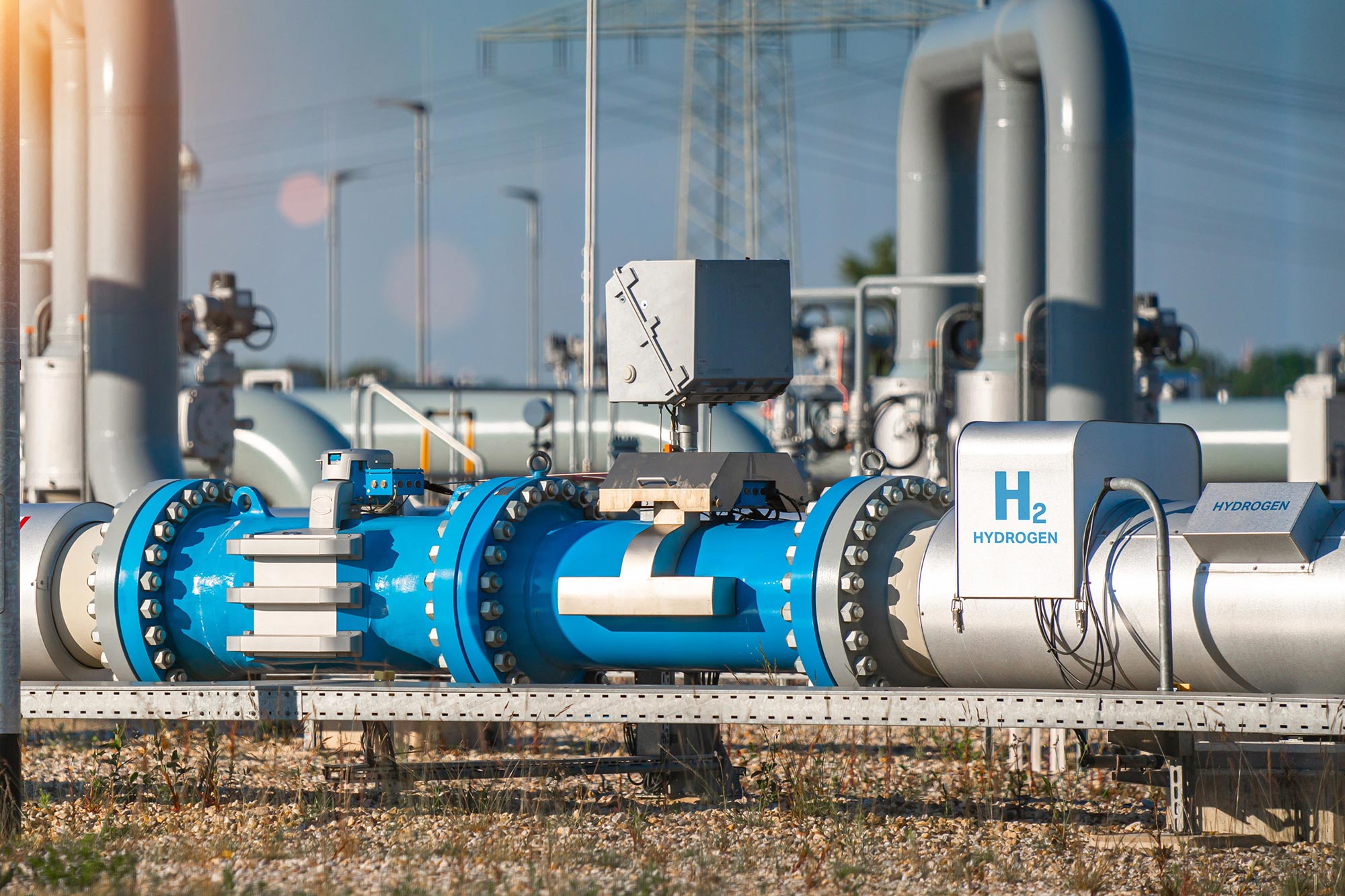
A new European project aims to reinvent green hydrogen without toxic PFAS or costly rare metals.
Green hydrogen is widely viewed as a crucial piece of the global shift toward cleaner energy. However, producing it at scale still presents major economic and environmental challenges. One of the most promising methods, PEM (proton exchange membrane) electrolysis, is well-suited for generating hydrogen when renewable electricity from wind and solar fluctuates. Despite that advantage, the process remains significantly more expensive than hydrogen production based on fossil fuels.
There are also sustainability concerns tied to the technology. Current PEM systems rely on substances known as forever chemicals (PFAS), which are considered environmentally harmful and are expected to face restrictions in the European Union. A new European research initiative called SUPREME aims to solve these problems. Over the next three years, an international team led by the University of Southern Denmark and involving Graz University of Technology (TU Graz) will work on a PFAS-free electrolysis technology that is both highly efficient and less dependent on scarce materials such as iridium. The goal is to lower costs while improving environmental safety.
Hydrogen’s Growing Role in Industry and Energy Storage
“Hydrogen is used as a raw material in very large quantities, and this will continue to increase in the future. These include the production of ammonia, methanol production, and the steel industry,” says Merit Bodner from the Institute of Chemical Engineering and Environmental Technology at TU Graz.
“If we succeed in avoiding the use of harmful substances in the production of green hydrogen and we can also bring it to a similar price level as fossil hydrogen in economic terms, we will have taken an important step towards the green transition. This also makes it more attractive for other applications, such as storing surplus energy from renewables.”
Hydrogen already plays a critical role in several major industries, and demand is expected to keep rising. Making green hydrogen more affordable and environmentally responsible could expand its use even further, including helping store excess energy generated by renewable sources.
Testing PFAS Free Materials for Industrial Electrolysis
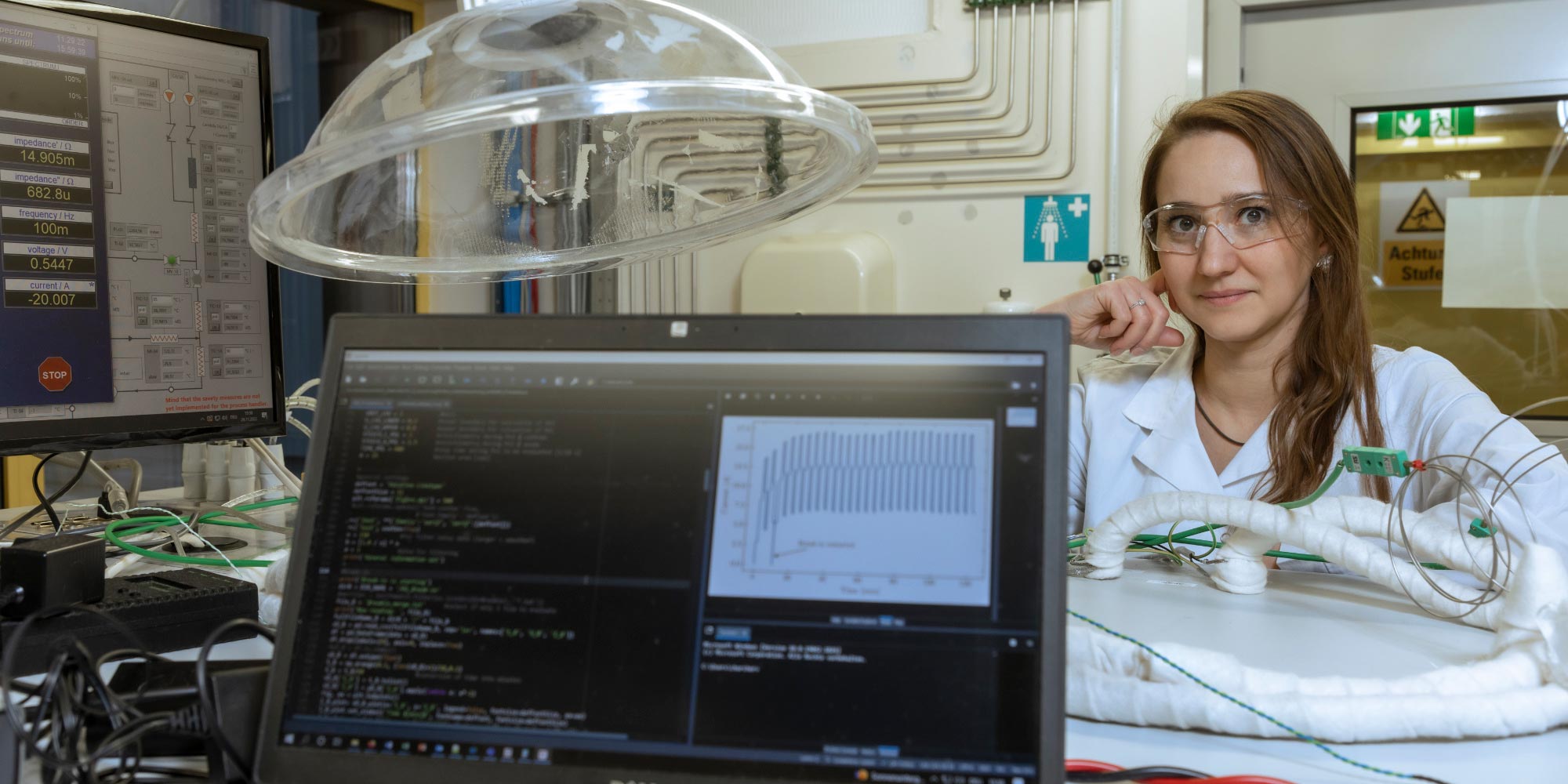
TU Graz plays a key role in the SUPREME project. The research group led by Merit Bodner is examining which PFAS-free materials are already available on the market and how they perform compared with existing industry standards. A major focus is determining whether these more sustainable alternatives can deliver the same durability and efficiency required for long term industrial operation.
At the same time, the Turkish Science and Technology Council TÜBITAK is developing the next generation of microporous PFAS-free membranes. These membranes will be designed for use in advanced electrolysis systems.
Cutting Iridium Use and Boosting Recycling
Another central objective of the project is reducing dependence on iridium, a rare and expensive platinum group metal used in PEM electrolysis. Researchers at the University of Southern Denmark and the British metal and catalyst company Ceimig are investigating ways to lower iridium use by up to 75 percent. They are also working on processes that could recycle about 90 percent of the iridium still required.
Other partners are contributing key components of the system. Fraunhofer ISE in Germany is responsible for producing the membrane electrode units, while the Norwegian hydrogen company Element One Energy AS (EoneE) is developing a new rotating electrolyser design.
This research was funded by CETPartnership, the Clean Energy Transition Partnership under the 2024 joint call for research proposals, co-funded by the European Commission (GA N°101069750).
Never miss a breakthrough: Join the SciTechDaily newsletter.
Follow us on Google and Google News.
3 Comments
The biggest problem with hydrogen, regardless of its source, is the tendency to leak and explode; when it does burn, it does so with a nearly invisible, hot flame.
The second biggest problem is that instead of producing carbon dioxide, it produces dihydrogen oxide, or water vapor. Water vapor is a more powerful greenhouse gas of the two and has the related problems of increasing the Heat Index, making a heated region less tolerable. Increased humidity can also contribute to rime ice, making driving and even walking more dangerous.
They didn’t achieve anything yet, only expressed intentions to minimize iridium. The title is misleading.
thanks for this