
Researchers investigating a rise in lung cancer among younger non-smokers have uncovered a puzzling pattern linked to diet and environmental exposure.
A diet packed with fruits, vegetables, and whole grains is widely considered healthy and typically seen as a cornerstone of disease prevention.
But new research from the USC Norris Comprehensive Cancer Center, part of Keck Medicine of USC, suggests the relationship may be more complex.
Findings presented at the annual meeting of the American Association for Cancer Research indicate that non-smoking Americans under 50 who follow these diets may face a higher risk of developing lung cancer.
“Our research shows that younger non-smokers who eat a higher quantity of healthy foods than the general population are more likely to develop lung cancer,” said Jorge Nieva, MD, a medical oncologist and lung cancer specialist with USC Norris and lead investigator of the study. “These counterintuitive findings raise important questions about an unknown environmental risk factor for lung cancer related to otherwise beneficial food that needs to be addressed.”

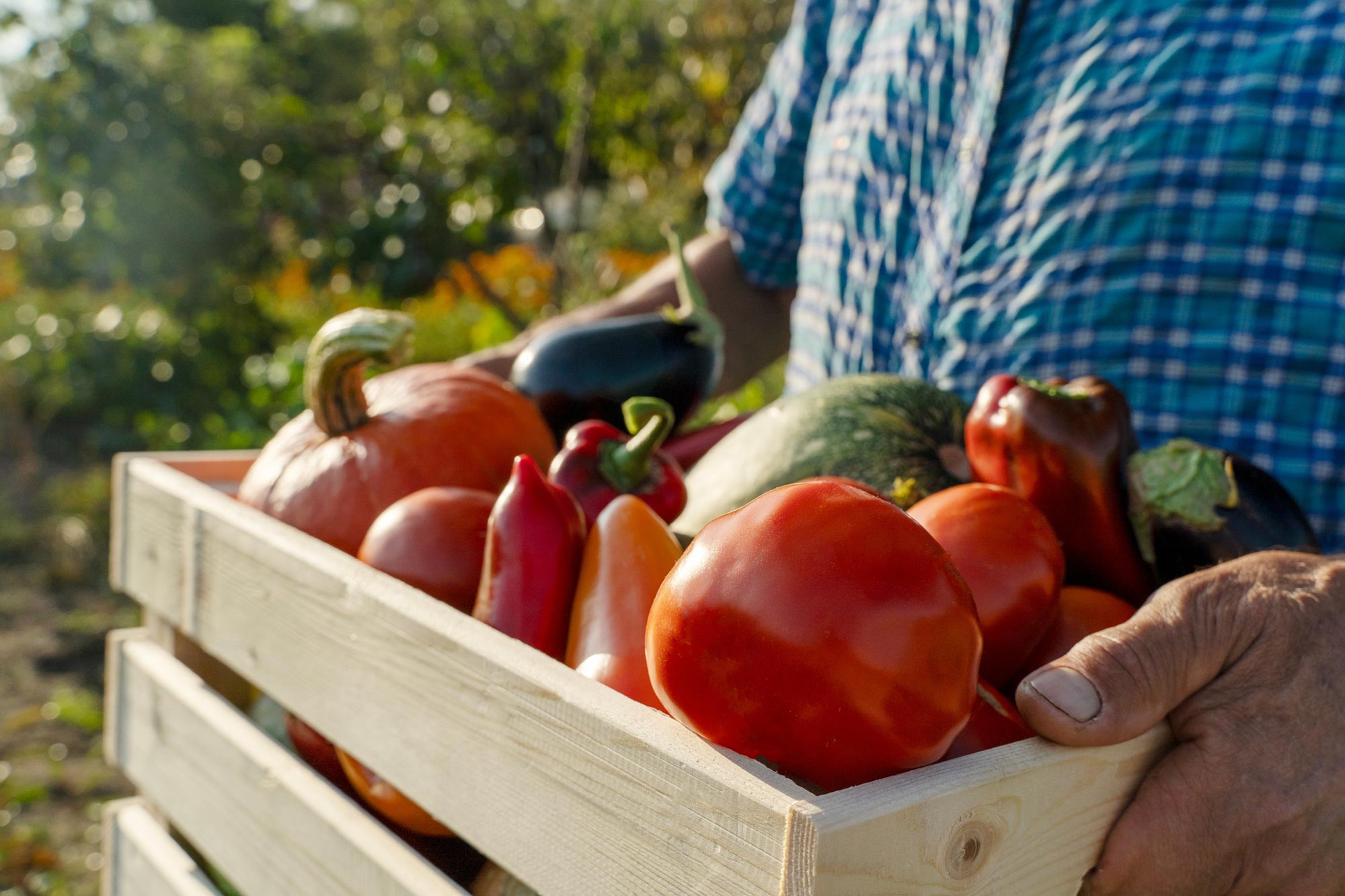
Nieva and his team suggest that pesticide exposure could help explain the pattern. According to Nieva, commercially produced (non-organic) fruits, vegetables, and whole grains tend to carry higher pesticide residues than dairy, meat, and many processed foods. He also noted that agricultural workers who are regularly exposed to pesticides often have higher rates of lung cancer, which supports this hypothesis.
The study also found that young women who do not smoke are diagnosed with lung cancer more often than men, and they tended to report diets higher in produce and whole grains.
A New Epidemic of Lung Cancer
Lung cancer has traditionally affected older adults, with an average age of onset of 71, and has been more common in men and in people who smoke.
Since smoking rates have declined since the mid-1980s, overall lung cancer cases in the United States have dropped. An exception has emerged among non-smokers age 50 and younger, especially women, who are now more likely than men to develop the disease.
To better understand this shift, researchers launched the Epidemiology of Young Lung Cancer Project and surveyed 187 patients diagnosed with lung cancer by age 50. Participants shared information about demographics, diet, smoking history, and diagnosis.
Most participants had never smoked and developed a form of lung cancer that differs biologically from smoking-related cases. A 2021 study from the Epidemiology of Young Lung Cancer Project and the Genomics of Young Lung Cancer Project found that lung cancer subtypes in people under 40 are distinct from those seen in older adults.
Researchers evaluated diet quality using the Healthy Eating Index (HEI), which scores overall diet on a scale from 1 to 100. Young non-smoking patients had an average score of 65, compared with the U.S. average of 57. Women in the study generally scored higher than men.
These patients also reported eating more fruits, vegetables, and whole grains than the general population. On average, they consumed 4.3 daily servings of dark green vegetables and legumes and 3.9 servings of whole grains, compared with 3.6 servings of dark green vegetables and legumes and 2.6 servings of whole grains among U.S. adults.
More Research Needed
Nieva emphasized that the possible link between pesticide exposure and lung cancer, particularly in young people and women, requires further study.
The researchers did not directly measure pesticide levels in foods. Instead, they estimated exposure using published data on average pesticide levels in food groups such as fruits, vegetables, and grains. The next step is to confirm the connection by measuring pesticide levels in patients’ blood or urine. This approach could also help determine whether certain pesticides carry greater risk than others.
“This work represents a critical step toward identifying modifiable environmental factors that may contribute to lung cancer in young adults,” said Nieva. “Our hope is that these insights can guide both public health recommendations and future investigation into lung cancer prevention.”
Reference: “Dietary patterns in young lung cancer: mutation-specific environmental associations” by Sarah D. Gorbatov, Marisa A. Bittoni, Anna H. Wu, Allison Harper, Kotait Virginia, Narjust Florez, Barbara J. Gitlitz and Jorge J. Nieva, 21 April 2026, American Association for Cancer Research Annual Meeting 2026.
The research is supported by the Addario Lung Cancer Medical Institute, a nonprofit focused on advancing lung cancer research and care, as well as AstraZeneca, the Beth Longwell Foundation, Genentech, GO2 for Lung Cancer and Upstage Lung Cancer.
Researchers also received funding from the National Institutes of Health, grant number R25CA225513 and the National Cancer Institute, grant number P30CA014089.
Never miss a breakthrough: Join the SciTechDaily newsletter.
Follow us on Google and Google News.
11 Comments
Ah what now?
so a more scientific headline would read: Scientists Reveal Eating NON-ORGANIC Fruits and Vegetables May Increase Your Risk of Lung Cancer? This kind of rage/click bait is not what I expect from scitech, be better.
This is globalist insanity. If you believe this rubbish, then you deserve to have your genes edited-out by Natural Selection.
Living planet gives us living food for LIFE!
From the study: it’s probably all the crap they spray on it.
“Scientists recommend a diet high in ultra processed food, fast food and junk food such as cakes, cookies, pies, doughnuts, ice cream and potato chips as fruits, vegetables and whole grains containing important vitamins and minerals necessary for survival has been shown to potentially cause lung cancer. On a related note, scientists also found drinking water can cause rheumatoid arthritis, colon cancer, liver cancer, high cholesterol, strokes, the black plague…and acne. Scientists recommend not drinking anything containing water. Any powdered beverage without water is considered acceptable. Tomorrow…why breathing can cause an early death”.
As the pesticides are the problem, this is completely created by humanity, not by the living planet.
I suggest the following wording: whoever eats poisoned food deserves to be edited-out by Natural Selection. On this I agree.
Whoever wrote and approved that headline needs to loose their job. Absolutely abhorrent. Is this article sponsored by McDonald’s?
To imply legitimacy, notice headline trends around the net say “Scientists” or “Scientists Reveal?” In fact, above this under Related Articles is another “Scientists Reveal That Eating Walnuts Could Reduce Your Risk of Cancer.” Or it’s “Harvard or Stanford study reveals…” Of course, new SINGLE medical studies are important, but many just indicate the need for additional research or they’re just at the mouse level of research not ready for prime time. The future is promising but how about “One new study showed…..”
Then there’s the “I am A (insert specialist) Podiatrist And These are the Five Foods I Eat To Prevent Bunions.” All clickbait
Fruits and veggies are heavy on pesticides. U do urself more harm than good eating them.
This study is already discredited for poor design and drawing conclusions from no evidence. Ignore.
1. The title of the article is wrong. It says that eating fruits and vegetables may cause lung cancer, while the article suggests that pesticides are responsible for the increase of lung cancer in young non-smokers. The title and the article’s content are so different.
2. The author recognizes that this research is incomplete because he has to prove that pesticides in fruits and vegetables are responsible for the cancer. He has to measure pesticide levels in food before and after it is cleaned. He also has to measure pesticide levels in blood and urine before and after eating.