
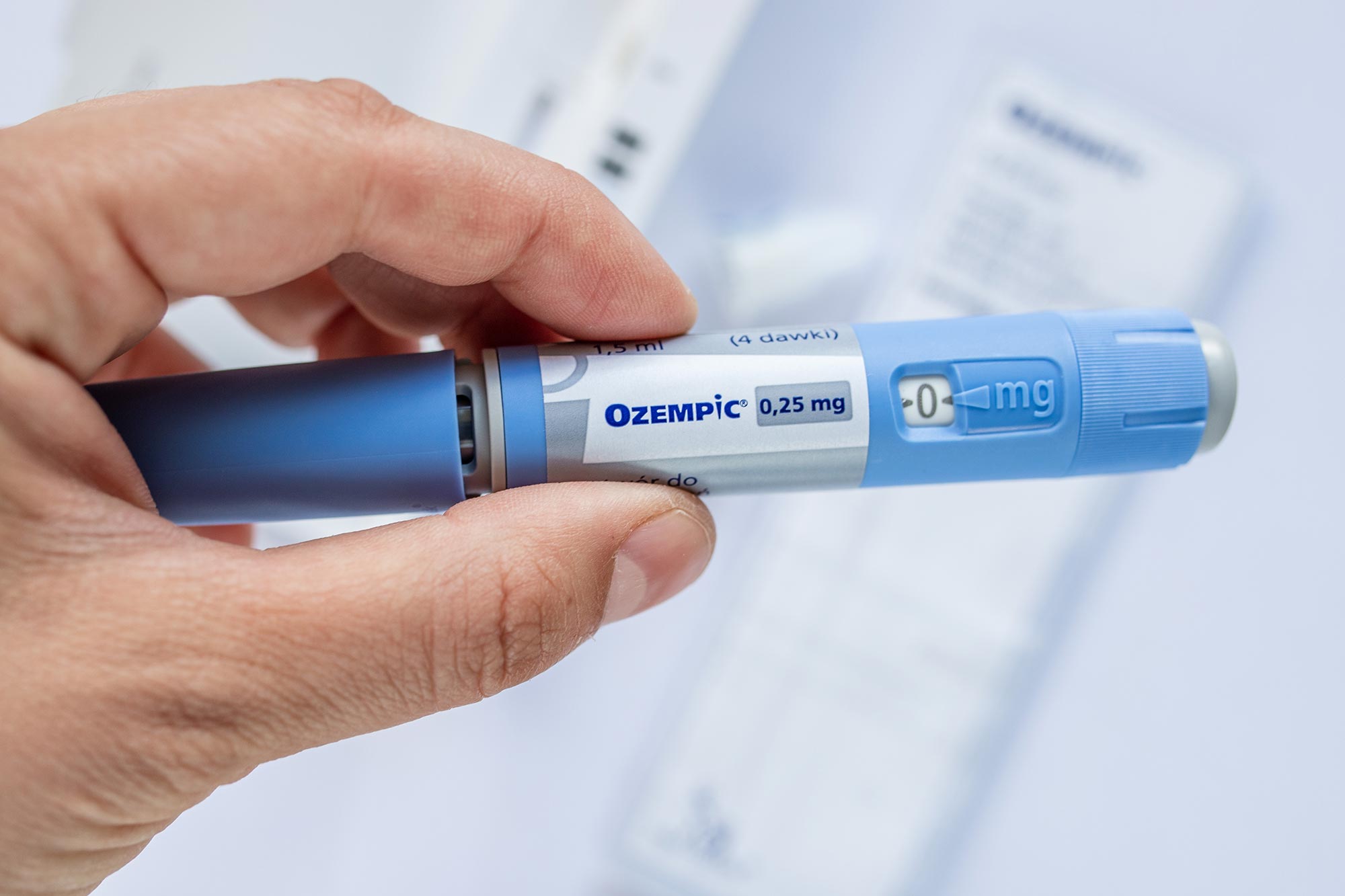
Drugs used for diabetes and weight loss may also dampen alcohol’s effects by slowing how fast it enters the bloodstream. Early research suggests this could help people feel less intoxicated and potentially drink less.
Evidence is growing that medications commonly prescribed for diabetes and weight loss, better known by brand names like Ozempic and Wegovy, may also help reduce alcohol consumption.
New findings from the Fralin Biomedical Research Institute at VTC, published this month in Scientific Reports, suggest that GLP-1 agonists slow the rate at which alcohol enters the bloodstream. As a result, alcohol’s effects on the brain also appear to develop more slowly.
“People who drink know there’s a difference between nursing a glass of wine and downing a shot of whiskey,” said Alex DiFeliceantonio, assistant professor and interim co-director of the FBRI’s Center for Health Behaviors Research.
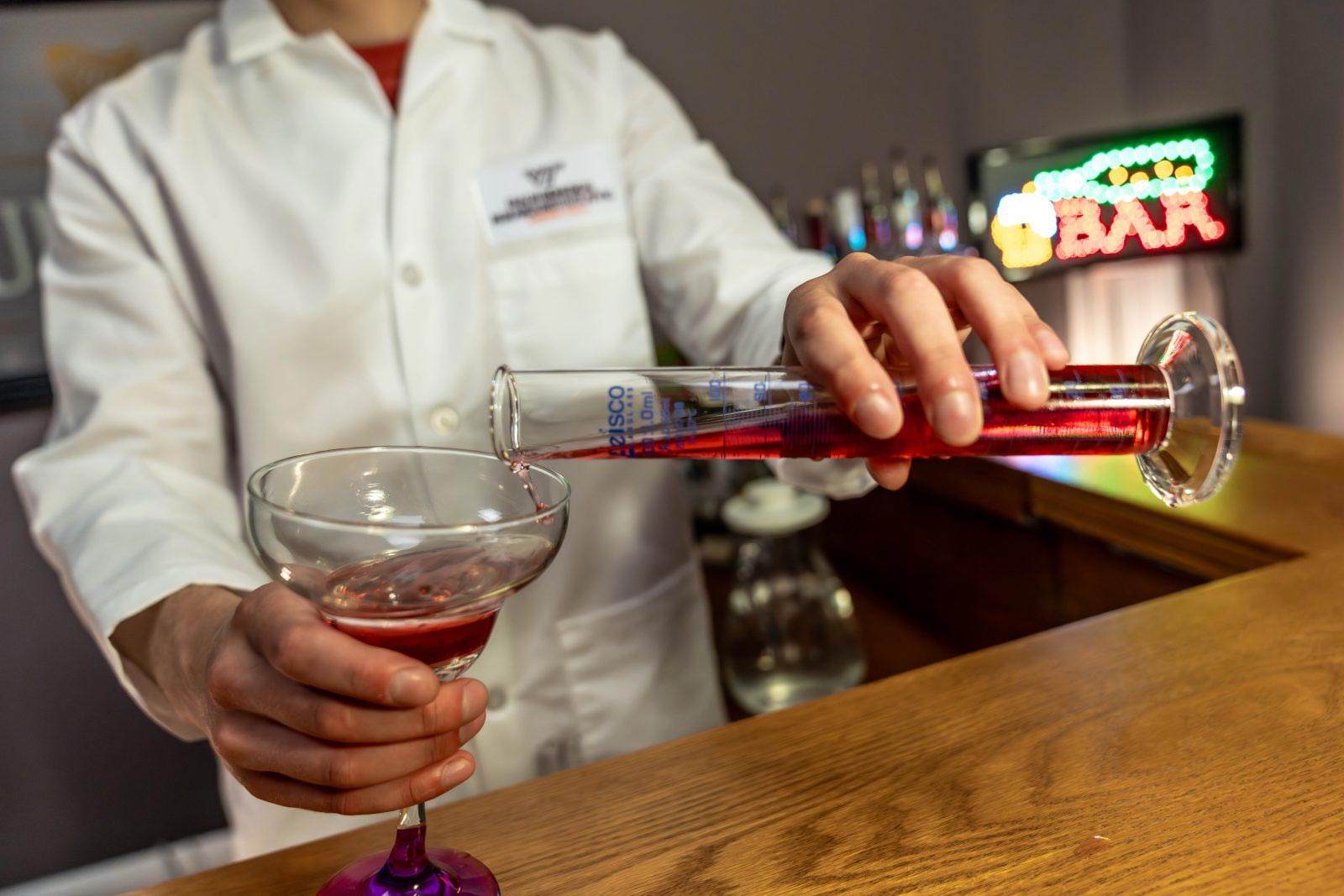
Even though both drinks contain the same amount of alcohol, 0.6 ounces, a shot causes blood alcohol levels to rise much faster. That rapid increase changes how alcohol feels because of the way the body absorbs and processes it over time.
“Why would this matter? Faster-acting drugs have a higher abuse potential,” DiFeliceantonio said. “They have a different impact on the brain. So if GLP-1s slow alcohol entering the bloodstream, they could reduce the effects of alcohol and help people drink less.”
Why Slowing Alcohol Absorption Matters
Alcohol use is widespread in the United States, with more than half of adults reporting that they drink. About one in ten people meets the criteria for alcohol use disorder. Long-term heavy drinking is linked to serious health problems, including high blood pressure, cancer, and heart and liver disease. In January, U.S. Surgeon General Vivek Murthy issued an advisory naming alcohol use as the third leading preventable cause of cancer, after tobacco use and obesity.
In the study, participants who took GLP-1 medications such as semaglutide, tirzepatide, or liraglutide showed a slower increase in breath alcohol concentration, even though they consumed the same amount of alcohol as others. Their alcohol levels rose more gradually, and they also reported feeling less intoxicated based on their own assessments.
Inside the Study Design
The research was supported by funding from Virginia Tech’s Fralin Biomedical Research Institute and focused on how alcohol moves through the body and how it feels subjectively for people taking GLP-1 drugs. Researchers say the results offer early guidance for designing larger and more detailed studies on whether these medications could be used to help reduce alcohol use.
The study included 20 adults with a BMI of 30 or higher. Half of the participants were taking a maintenance dose of a GLP-1 medication, while the other half were not taking any medication. All participants were recruited from Roanoke, Virginia, and nearby communities. They fasted before arriving and were given a snack bar to keep caloric intake and stomach contents consistent.
Researchers measured blood pressure, pulse, breath alcohol concentration, and blood glucose levels. Ninety minutes later, participants were given an alcoholic drink and asked to finish it within 10 minutes. Over the next hour, researchers repeatedly measured breath alcohol levels and asked participants about cravings, appetite, taste, and alcohol effects. One question asked participants to rate, on a scale from zero to 10, “How drunk do you feel right now?”
Participants taking GLP-1 medications consistently reported feeling less drunk.
Afterward, participants stayed in a recovery room while their bodies processed the alcohol. Breath alcohol levels were checked every 30 minutes, blood glucose was measured twice, and participants answered follow-up questions three hours later. After four hours, once breath alcohol levels dropped below .02 percent and a study physician approved, participants were allowed to leave.
A Different Approach Than Existing Treatments
“Other medications designed to help reduce alcohol intake” — naltrexone and acamprosate — “act on the central nervous system,” said DiFeliceantonio, the study’s corresponding author. “Our preliminary data suggest that GLP-1s suppress intake through a different mechanism.”
GLP-1 drugs slow gastric emptying, which appears to delay the rise of alcohol levels in the blood.
How the Idea Took Shape
The study began during a faculty retreat at the Fralin Biomedical Research Institute and was led by Warren Bickel, professor and director of the Addiction Recovery Research Center, who died in 2024.
The work built on an earlier analysis of social media posts on Reddit, where users described experiencing fewer alcohol cravings while taking medications for type 2 diabetes and obesity.
“His guidance shaped every stage of this research — from the initial idea to its final form — and his passion for scientific discovery continues to inspire me every day,” said Fatima Quddos, a graduate researcher in Bickel’s lab and first author on both studies.
“Bickel’s work had long focused on what happens when you delay rewards, so we asked, ‘What if GLP-1s affect how the body handles alcohol?’” DiFeliceantonio said. “Ending this project was bittersweet, because it was my last collaboration with him.”
“He was always asking, ‘How do we help people the fastest?’ Using a drug that’s already shown to be safe to help people reduce drinking could be a way to get people help fast,” DiFeliceantonio said.
Early Results, Bigger Questions Ahead
Although the study was small, researchers say the differences between groups were clear and provide early evidence to support larger clinical trials. Those future studies would test whether GLP-1 drugs could become a treatment option for people looking to cut back on alcohol.
“As a recent graduate, I’m deeply inspired by the potential this research holds — not only for advancing our scientific understanding, but also for paving the way toward future therapies,” said Quddos, who earned her doctorate from Virginia Tech’s Translational Biology, Medicine, and Health Graduate Program in May. “The possibility of offering new hope to individuals struggling with addiction is what makes this work so meaningful.”
Reference: “A preliminary study of the physiological and perceptual effects of GLP-1 receptor agonists during alcohol consumption in people with obesity” by Fatima Quddos, Mary Fowler, Ana Carolina de Lima Bovo, Zacarya Elbash, Allison N. Tegge, Kirstin M. Gatchalian, Anita S. Kablinger, Alexandra G. DiFeliceantonio and Warren K. Bickel, 15 October 2025, Scientific Reports.
DOI: 10.1038/s41598-025-17927-w
Never miss a breakthrough: Join the SciTechDaily newsletter.
Follow us on Google and Google News.
3 Comments
Then again, there could be some people who drink more alcohol in an attempt to get intoxicated quickly in spite of the Ozempic. At least they could stay drunk longer on the same amount of alcohol.
“Change your mind – it will astound you”
Another good reason never to take Ozempic.