
Close Menu
    Facebook X (Twitter) Instagram
    SciTechDaily
    • Biology
    • Chemistry
    • Earth
    • Health
    • Physics
    • Science
    • Space
    • Technology
    Facebook X (Twitter) Pinterest YouTube RSS
    SciTechDaily
    Home»Health»Scientists Warn That Antidepressants May Do More Harm Than Good in Dementia Patients
    Health

    Scientists Warn That Antidepressants May Do More Harm Than Good in Dementia Patients

    By Karolinska InstitutetMarch 1, 20251 Comment3 Mins Read
    Facebook Twitter Pinterest Telegram LinkedIn WhatsApp Email Reddit
    Share
    Facebook Twitter LinkedIn Pinterest Telegram Email Reddit
    Alzheimer's Dementia Serotonin Brain Levels
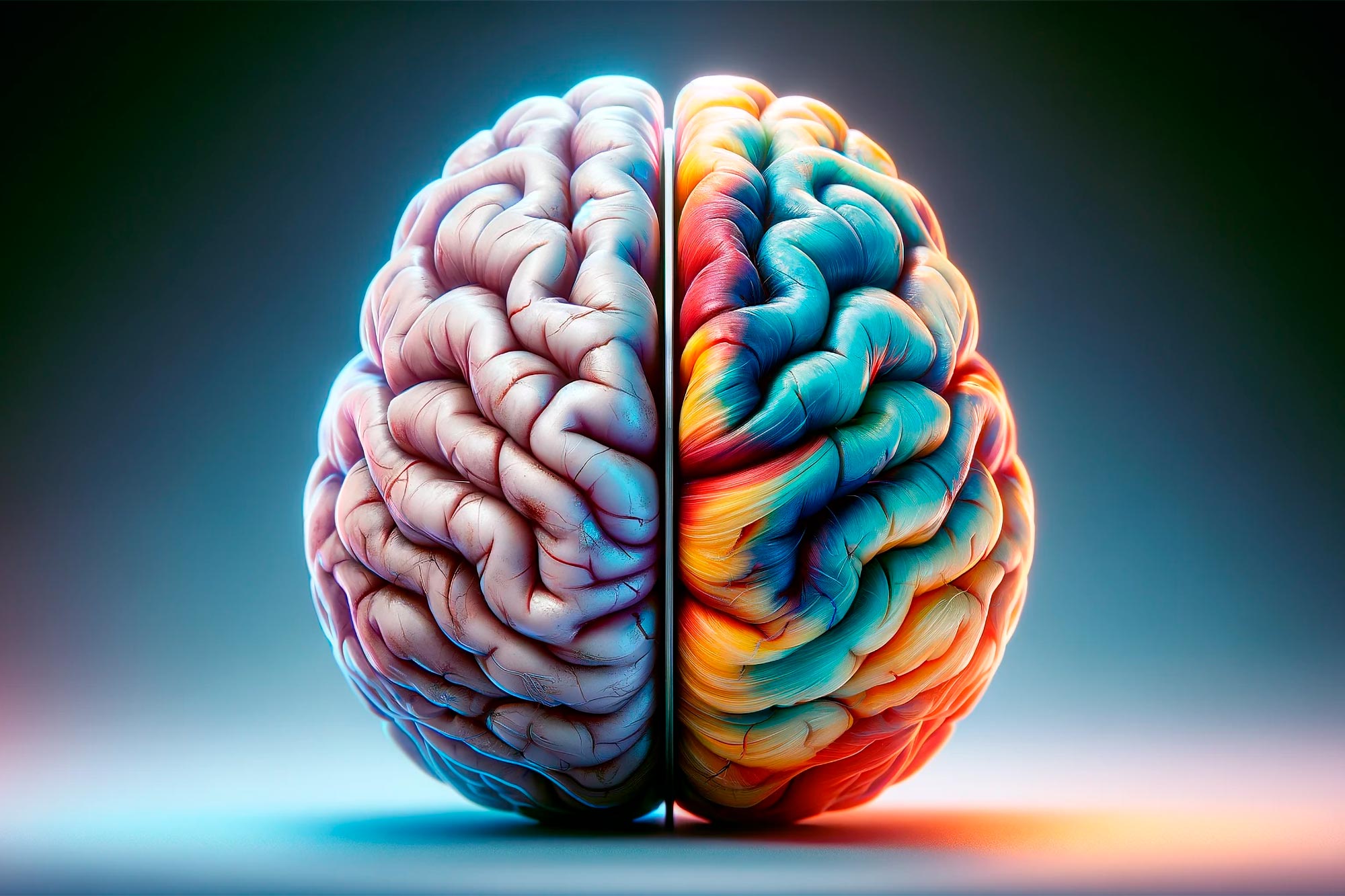
    A Swedish study links antidepressants to faster cognitive decline in dementia patients, with SSRIs like escitalopram showing the strongest effects. While depression itself may contribute to cognitive impairment, researchers emphasize the need for personalized treatment approaches to minimize harm. Credit: SciTechDaily.com

    Antidepressants are commonly prescribed for dementia patients, but new research suggests they might be doing more harm than good.

    A study of nearly 19,000 individuals found that those taking these medications experienced a faster cognitive decline than those who didn’t. Not all antidepressants had the same effect, suggesting that careful selection could mitigate some risks.

    Antidepressants Linked to Faster Cognitive Decline

    Antidepressants are commonly prescribed to help manage symptoms like anxiety, depression, aggression, and sleep disturbances in people with dementia.

    However, a new observational study using data from the Swedish Dementia Registry (SveDem) suggests that dementia patients taking antidepressants may experience faster cognitive decline than those who do not.

    A Large-Scale Study with Surprising Results

    The study analyzed data from 18,740 dementia patients, with about 23 percent receiving antidepressant treatment. Over the course of the study, 11,912 antidepressant prescriptions were recorded, with selective serotonin reuptake inhibitors (SSRIs) making up 65 percent of them.

    “Depressive symptoms can both worsen cognitive decline and impair quality of life, so it is important to treat them. Our results can help doctors and other healthcare professionals choose antidepressants that are better adapted for patients with dementia,” says Sara Garcia Ptacek, researcher at the Department of Neurobiology, Care Sciences and Society, Karolinska Institutet, and the study’s last author.

    Selective serotonin reuptake inhibitors (SSRIs) are a class of antidepressants commonly used to treat depression, anxiety disorders, and other mental health conditions. They work by increasing serotonin levels in the brain, which helps regulate mood.

    Common SSRIs:

    • Fluoxetine (Prozac)
    • Sertraline (Zoloft)
    • Escitalopram (Lexapro)
    • Citalopram (Celexa)
    • Paroxetine (Paxil)
    • Fluvoxamine (Luvox)

    Researchers from Karolinska Institutet and Sahlgrenska University Hospital in Gothenburg tracked the cognitive changes of dementia patients over time. They compared those taking antidepressants with those who were not, as well as examining the effects of different types of antidepressants.

    While it remains unclear whether the cognitive decline is caused by the medication itself or the underlying depressive symptoms, the study found a clear association between antidepressant use and faster cognitive deterioration.

    Differences Between Antidepressants Matter

    The study also points to differences between different drugs. The SSRI escitalopram was associated with the fastest cognitive decline, followed by the SSRIs citalopram and sertraline.

    Mirtazapine, which has a different mechanism of action, had less negative cognitive impact than escitalopram.

    The researchers now want to investigate whether certain patient groups, such as people with specific dementia types or biomarkers, respond better or worse to different antidepressants.

    “The goal is to find these subgroups to create more individualised care,” says Sara Garcia Ptacek.

    Reference: “Antidepressant use and cognitive decline in patients with dementia: a national cohort study” by Minjia Mo, Tamar Abzhandadze, Minh Tuan Hoang, Simona Sacuiu, Pol Grau Jurado, Joana B. Pereira, Luana Naia, Julianna Kele, Silvia Maioli, Hong Xu, Maria Eriksdotter and Sara Garcia-Ptacek, 25 February 2025, BMC Medicine.
    DOI: 10.1186/s12916-025-03851-3

    The study has been funded by the Swedish Research Council, Region Stockholm, the Swedish Dementia Research Foundation, the Alzheimer’s Foundation and New Innovative Roads Call – a private initiative from the Leif Lundblad family and others. The researchers report no conflicts of interest.

    Never miss a breakthrough: Join the SciTechDaily newsletter.
    Follow us on Google and Google News.

    Depression Karolinska Institutet Pharmaceuticals Popular
    Share. Facebook Twitter Pinterest LinkedIn Email Reddit

    Related Articles

    New Study Confirms Antidepressants Work for Anxiety – But the Long-Term Story Is Unwritten

    Beyond Serotonin: Scientists Are Finally Unlocking the True Mechanism of Antidepressants

    Melatonin Sleep Aid May Reduce Self-Harm in Young People With Anxiety and Depression

    Warning: Sleep Medications May Increase Your Chances of Dementia

    Common Antidepressants Cause Emotional “Blunting” – Scientists Finally Figured Out Why

    Do Antidepressants Help? Study Finds They’re Not Associated With Improved Long Term Physical or Mental Health

    Researchers Warn: Common Antidepressant Should No Longer Be Used To Treat People With Dementia

    Genes and Corresponding Proteins Discovered That May Lead to New Depression Treatments

    Antidepressant Fluvoxamine May Prevent Serious Illness in COVID-19 Patients

    1 Comment

    1. Hannah on March 3, 2025 1:53 am

      More great info to be ignored by the medical industry.

      Reply
    Leave A Reply Cancel Reply

    • Facebook
    • Twitter
    • Pinterest
    • YouTube

    Don't Miss a Discovery

    Subscribe for the Latest in Science & Tech!

    Trending News

    Scientists Warn That This Common Pet Fish Can Wreck Entire Ecosystems

    Scientists Make Breakthrough in Turning Plastic Trash Into Clean Fuel Using Sunlight

    This Popular Supplement May Interfere With Cancer Treatment, Scientists Warn

    Scientists Finally Solved One of Water’s Biggest Mysteries

    Could This New Weight-Loss Pill Disrupt the Entire Market? Here’s What You Should Know About Orforglipron

    Earth’s Crust Is Tearing Open in Africa, and It Could Form a New Ocean

    Breakthrough Bowel Cancer Trial Leaves Patients Cancer-Free for Nearly 3 Years

    Natural Compound Shows Powerful Potential Against Rheumatoid Arthritis

    Follow SciTechDaily
    • Facebook
    • Twitter
    • YouTube
    • Pinterest
    • Newsletter
    • RSS
    SciTech News
    • Biology News
    • Chemistry News
    • Earth News
    • Health News
    • Physics News
    • Science News
    • Space News
    • Technology News
    Recent Posts
    • Kratom Use Explodes in the US, With Life-Changing Consequences
    • Scientists Uncover Fatal Weakness in “Zombie Cells” Linked to Cancer
    • World-First Study Reveals Human Hearts Can Regenerate After a Heart Attack
    • Why Your Dreams Feel So Real Sometimes and So Strange Other Times
    • Scientists Debunk 100-Year-Old Belief About Brain Cells, Rewriting Textbooks
    Copyright © 1998 - 2026 SciTechDaily. All Rights Reserved.
    • Science News
    • About
    • Contact
    • Editorial Board
    • Privacy Policy
    • Terms of Use

    Type above and press Enter to search. Press Esc to cancel.