
Close Menu
    Facebook X (Twitter) Instagram
    SciTechDaily
    • Biology
    • Chemistry
    • Earth
    • Health
    • Physics
    • Science
    • Space
    • Technology
    Facebook X (Twitter) Pinterest YouTube RSS
    SciTechDaily
    Home»Biology»Sonic Advance: How High-Frequency Sound Waves Could Help Regrow Bones
    Biology

    Sonic Advance: How High-Frequency Sound Waves Could Help Regrow Bones

    By RMIT UniversityMarch 26, 20222 Comments4 Mins Read
    Facebook Twitter Pinterest Telegram LinkedIn WhatsApp Email Reddit
    Share
    Facebook Twitter LinkedIn Pinterest Telegram Email Reddit
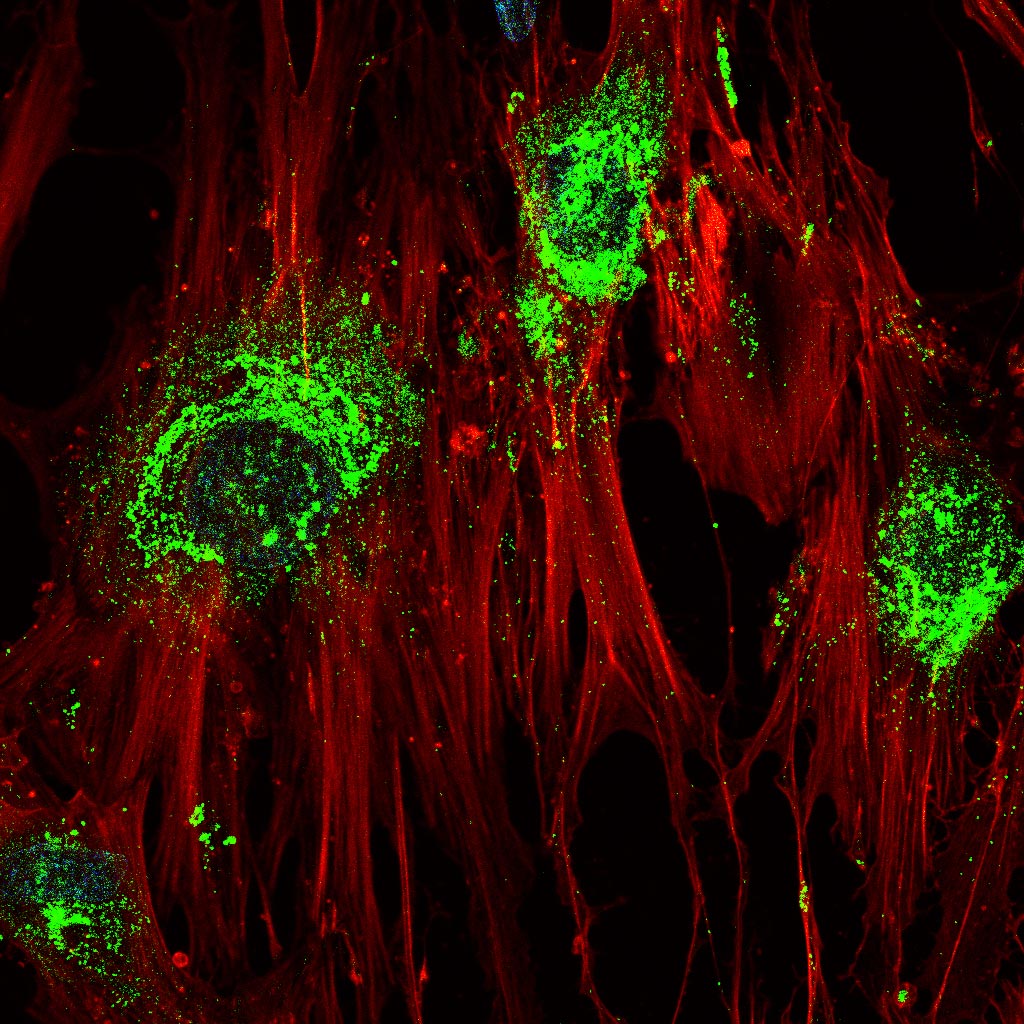
    Stem Cells Turning Into Bone Cells Magnified
    Magnified image showing adult stem cells in the process of turning into bone cells after treatment with high-frequency sound waves. Green coloring shows the presence of collagen, which the cells produce as they become bone cells. Magnification: 60X. Credit: RMIT University

    Researchers have used sound waves to turn stem cells into bone cells, in a tissue engineering advance that could one day help patients regrow bone lost to cancer or degenerative disease.

    The innovative stem cell treatment from researchers at RMIT University in Melbourne, Australia, offers a smart way forward for overcoming some of the field’s biggest challenges, through the precision power of high-frequency sound waves.

    Tissue engineering is an emerging field that aims to rebuild bone and muscle by harnessing the human body’s natural ability to heal itself.

    A key challenge in regrowing bone is the need for large amounts of bone cells that will thrive and flourish once implanted in the target area.
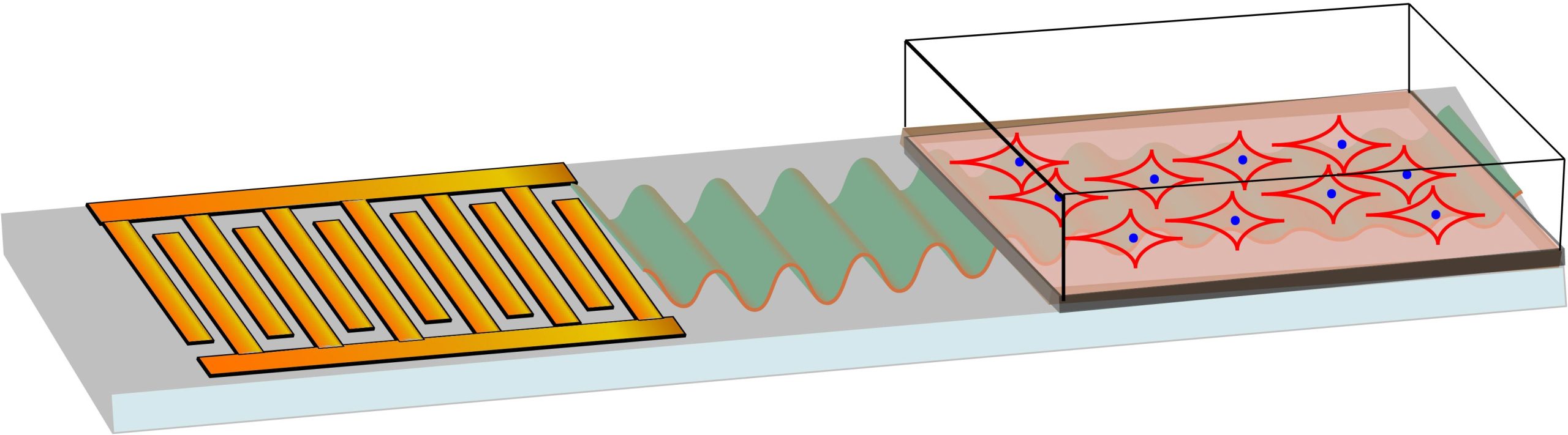
    Innovative Stem Cell Bone Treatment
    A graphic illustration of the innovative stem cell treatment. The microchip on the left generates high-frequency sound waves (green) to precisely manipulate the stem cells, which are placed in silicon oil on a glass-bottomed culture plate. Credit: RMIT University

    To date, experimental processes to change adult stem cells into bone cells have used complicated and expensive equipment and have struggled with mass production, making widespread clinical application unrealistic.

    Additionally, the few clinical trials attempting to regrow bone have largely used stem cells extracted from a patient’s bone marrow – a highly painful procedure.

    In a new study published in the journal Small, the RMIT research team showed stem cells treated with high-frequency sound waves turned into bone cells quickly and efficiently.

    Importantly, the treatment was effective on multiple types of cells including fat-derived stem cells, which are far less painful to extract from a patient.
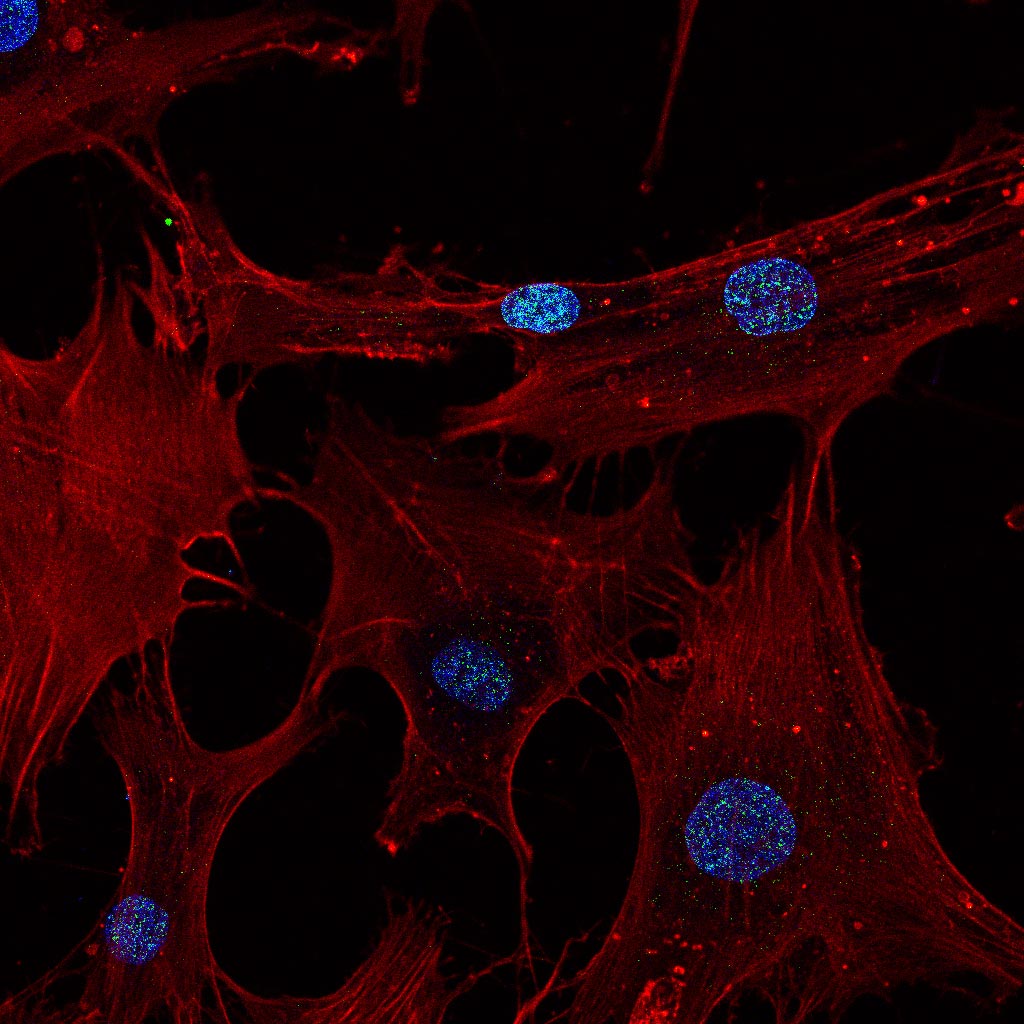
    Stem Cells Turning Into Bone Cells
    Magnified image showing adult stem cells in the process of turning into bone cells after treatment with high-frequency sound waves. Purple spots indicate the presence of a “bone marker” known as RUNX2. Magnification: 60X. Credit: RMIT University

    Fast and Simple

    Co-lead researcher Dr. Amy Gelmi said the new approach was faster and simpler than other methods.

    “The sound waves cut the treatment time usually required to get stem cells to begin to turn into bone cells by several days,” said Gelmi, a Vice-Chancellor’s Research Fellow at RMIT.

    “This method also doesn’t require any special ‘bone-inducing’ drugs and it’s very easy to apply to the stem cells.

    “Our study found this new approach has strong potential to be used for treating the stem cells, before we either coat them onto an implant or inject them directly into the body for tissue engineering.”
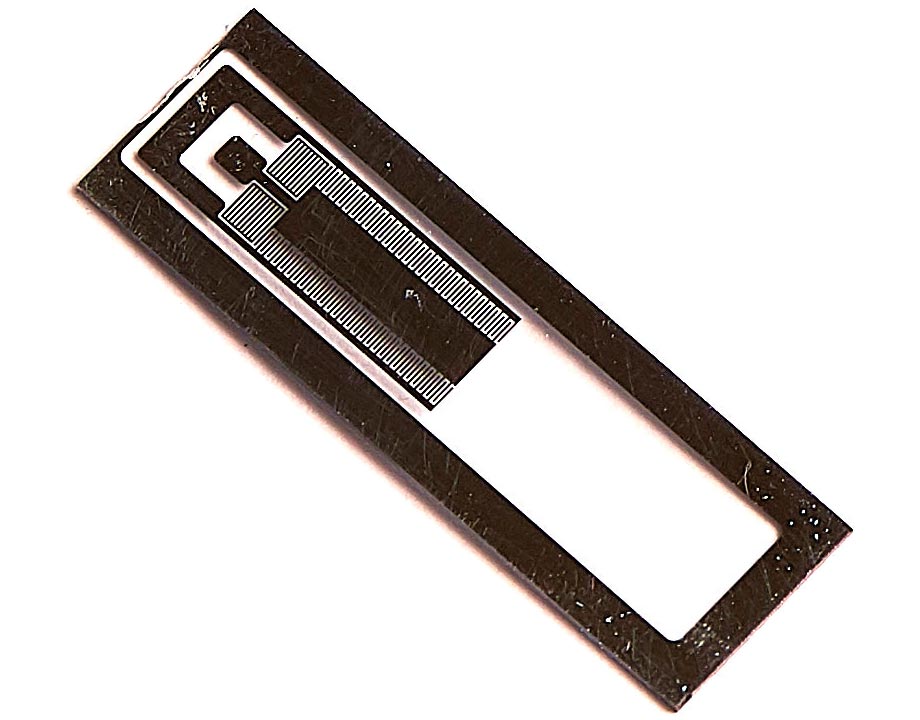
    Sound Wave Generating Microchip
    The high-frequency sound waves for the stem cell treatment are generated on this microchip, low-cost and easy-to-scale technology developed by RMIT University. Credit: RMIT University

    The high-frequency sound waves used in the stem cell treatment were generated on a low-cost microchip device developed by RMIT.

    Co-lead researcher Distinguished Professor Leslie Yeo and his team have spent over a decade researching the interaction of sound waves at frequencies above 10 MHz with different materials.

    The sound wave-generating device they developed can be used to precisely manipulate cells, fluids, or materials.

    “We can use the sound waves to apply just the right amount of pressure in the right places to the stem cells, to trigger the change process,” Yeo said. “Our device is cheap and simple to use, so could easily be upscaled for treating large numbers of cells simultaneously – vital for effective tissue engineering.”

    The next stage in the research is investigating methods to upscale the platform, working towards the development of practical bioreactors to drive efficient stem cell differentiation.

    The multi-disciplinary research, across the RMIT schools of Science and Engineering, was supported by funding through Australian Research Council Discovery Project grants.

    Reference: “Short-Duration High Frequency MegaHertz-Order Nanomechanostimulation Drives Early and Persistent Osteogenic Differentiation in Mesenchymal Stem Cells” by Lizebona August Ambattu, Amy Gelmi and Leslie Y. Yeo, 13 January 2022, Small.
    DOI: 10.1002/smll.202106823

    Never miss a breakthrough: Join the SciTechDaily newsletter.
    Follow us on Google and Google News.

    Biotechnology Bones RMIT University Stem Cells
    Share. Facebook Twitter Pinterest LinkedIn Email Reddit

    Related Articles

    Complex Three-Dimensional Kidney Tissue Created in the Lab From Scratch

    Scientists Make Big Progress in Building Mini-Kidneys – “Essential Milestone Towards Building a Functional Organ”

    Cure for Blindness in Sight: Retinal Stem Cell Transplant Clears Experimental Hurdle

    Mystery Solved: How Do Tips of Plants Stay Virus-Free in Face of Intensive Infection?

    Obesity Alters the Long-Term Fitness of Bone Marrow Cells

    UCSD Researchers Use Adenosine to Command Stem Cells to Build New Bone

    Researchers Convert Human Stem Cells to Functional Lung Cells

    Transplanted Stem Cells Restore Memory and Learning in Mice

    Researchers Use “Fracture Putty” to Quickly Repair Broken Bones

    2 Comments

    1. John E. C. on March 26, 2022 7:00 pm

      OMG this is so familiar to readers of Royal Rife and his treatments that the medical establishment discounted. Now we see he was perhaps right.

      Reply
    2. Donald Bingley on March 28, 2022 8:22 am

      Interesting article, pity that it describes Radio Frequency, as sound waves.

      Reply
    Leave A Reply Cancel Reply

    • Facebook
    • Twitter
    • Pinterest
    • YouTube

    Don't Miss a Discovery

    Subscribe for the Latest in Science & Tech!

    Trending News

    Millions of People Have Osteopenia Without Realizing It – Here’s What You Need To Know

    Researchers Discover Boosting a Single Protein Helps the Brain Fight Alzheimer’s

    World-First Study Reveals Human Hearts Can Regenerate After a Heart Attack

    Why Your Dreams Feel So Real Sometimes and So Strange Other Times

    This Simple Home Device May Boost Brain Power in Adults Over 40

    Enormous Prehistoric Insects Puzzle Scientists

    Scientists Develop Bioengineered Chewing Gum That Could Help Fight Oral Cancer

    After 37 Years, the World’s Longest-Running Soil Warming Experiment Uncovers a Startling Climate Secret

    Follow SciTechDaily
    • Facebook
    • Twitter
    • YouTube
    • Pinterest
    • Newsletter
    • RSS
    SciTech News
    • Biology News
    • Chemistry News
    • Earth News
    • Health News
    • Physics News
    • Science News
    • Space News
    • Technology News
    Recent Posts
    • Researchers Identify the Most Common Recessive Neurodevelopmental Disorder Ever Discovered
    • This Is What Makes You Irresistible to Mosquitoes
    • Shockingly Powerful Giant Octopuses Ruled the Seas 100 Million Years Ago
    • After 100 Years, Scientists Uncover Hidden Rule Governing Cosmic Rays
    • The Milky Way Has a Hidden Edge and Scientists Finally Mapped It
    Copyright © 1998 - 2026 SciTechDaily. All Rights Reserved.
    • Science News
    • About
    • Contact
    • Editorial Board
    • Privacy Policy
    • Terms of Use

    Type above and press Enter to search. Press Esc to cancel.