
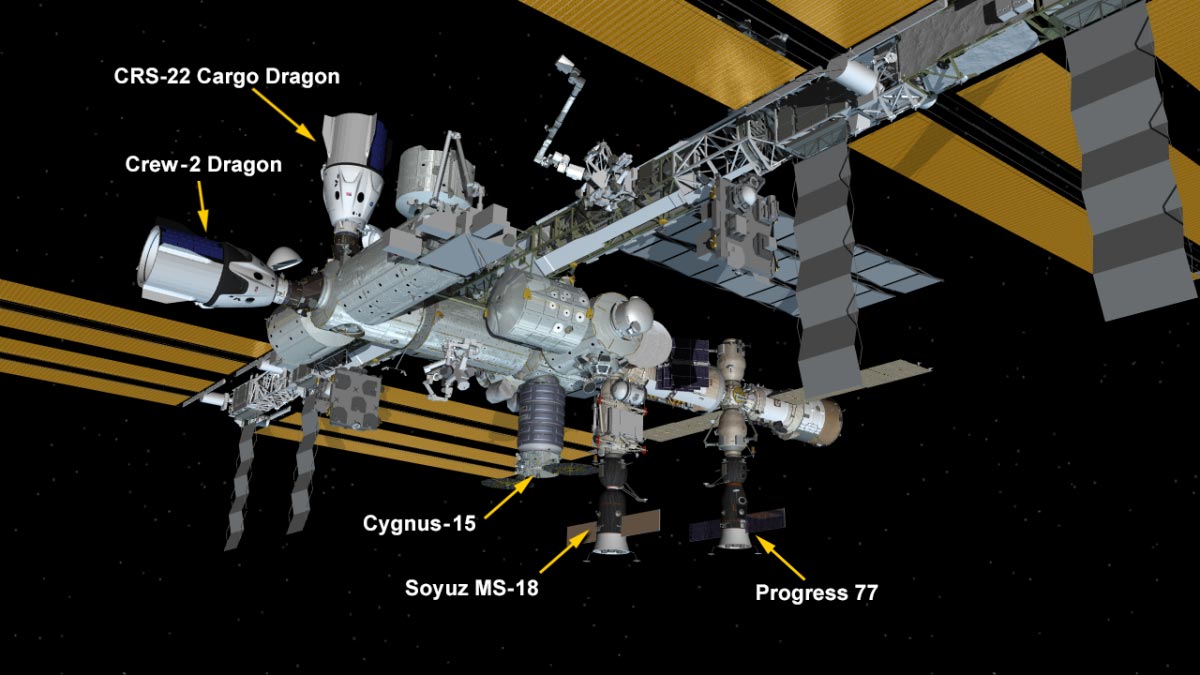
SpaceX’s Dragon docked with the ISS to deliver solar arrays that will boost the station’s power system.
While the International Space Station was traveling more than 250 miles (400 kilometers) over the South Pacific Ocean, a SpaceX Dragon cargo spacecraft autonomously docked to the space-facing side of the orbiting laboratory’s Harmony module at 5:09 a.m. EDT, Saturday, June 5. NASA astronauts Shane Kimbrough and Megan McArthur were monitoring docking operations for Dragon.
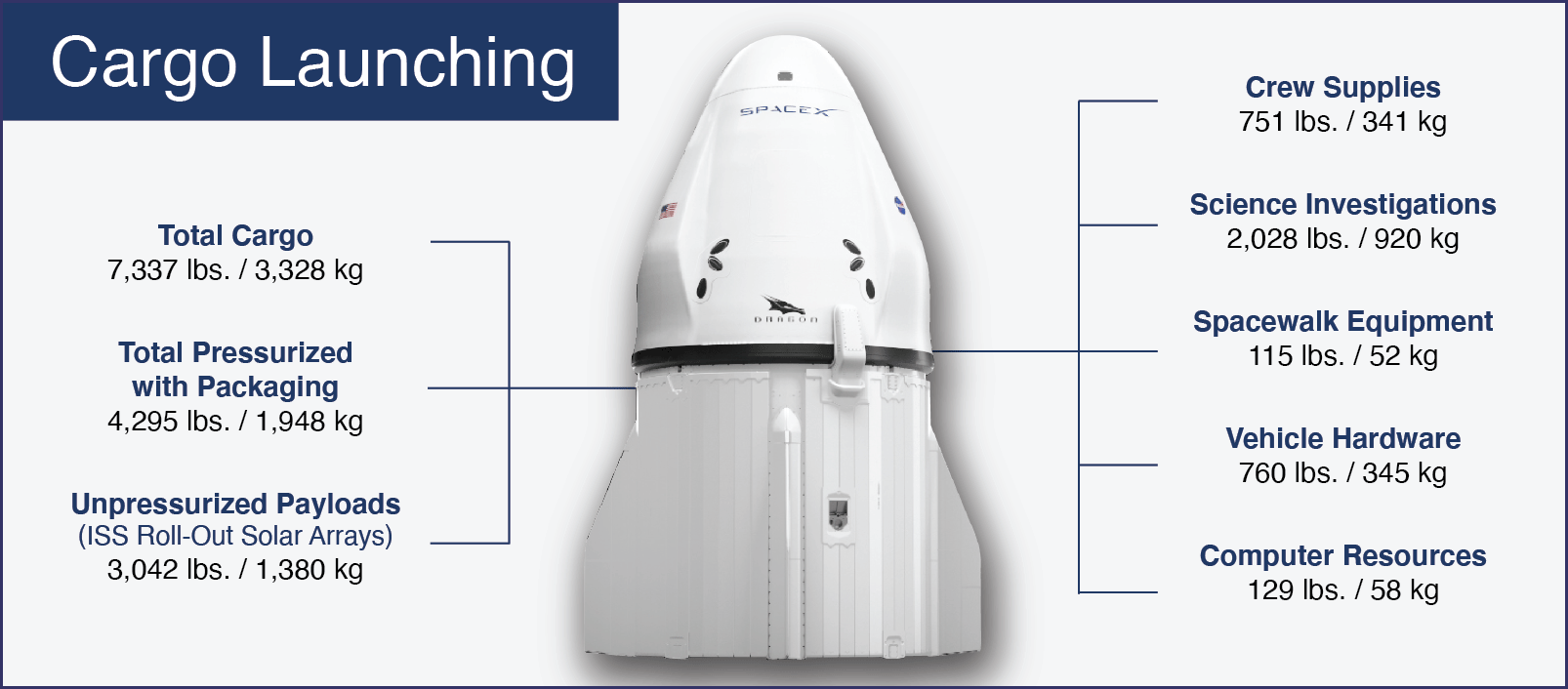
This 22nd contracted resupply mission for SpaceX delivers the new ISS Roll-out Solar Arrays (iROSA) to the space station in the trunk of the Dragon spacecraft. The robotic Canadarm2 will extract the arrays and astronauts will install them during spacewalks planned for June 16 and 20.
The Dragon launched on SpaceX’s 22nd contracted commercial resupply mission at 1:29 p.m. EDT Thursday, June 3 from Launch Complex 39A at NASA’s Kennedy Space Center in Florida. After Dragon spends about one month attached to the space station, the spacecraft will return to Earth with cargo and research.
Among the science experiments Dragon is delivering to the space station are:
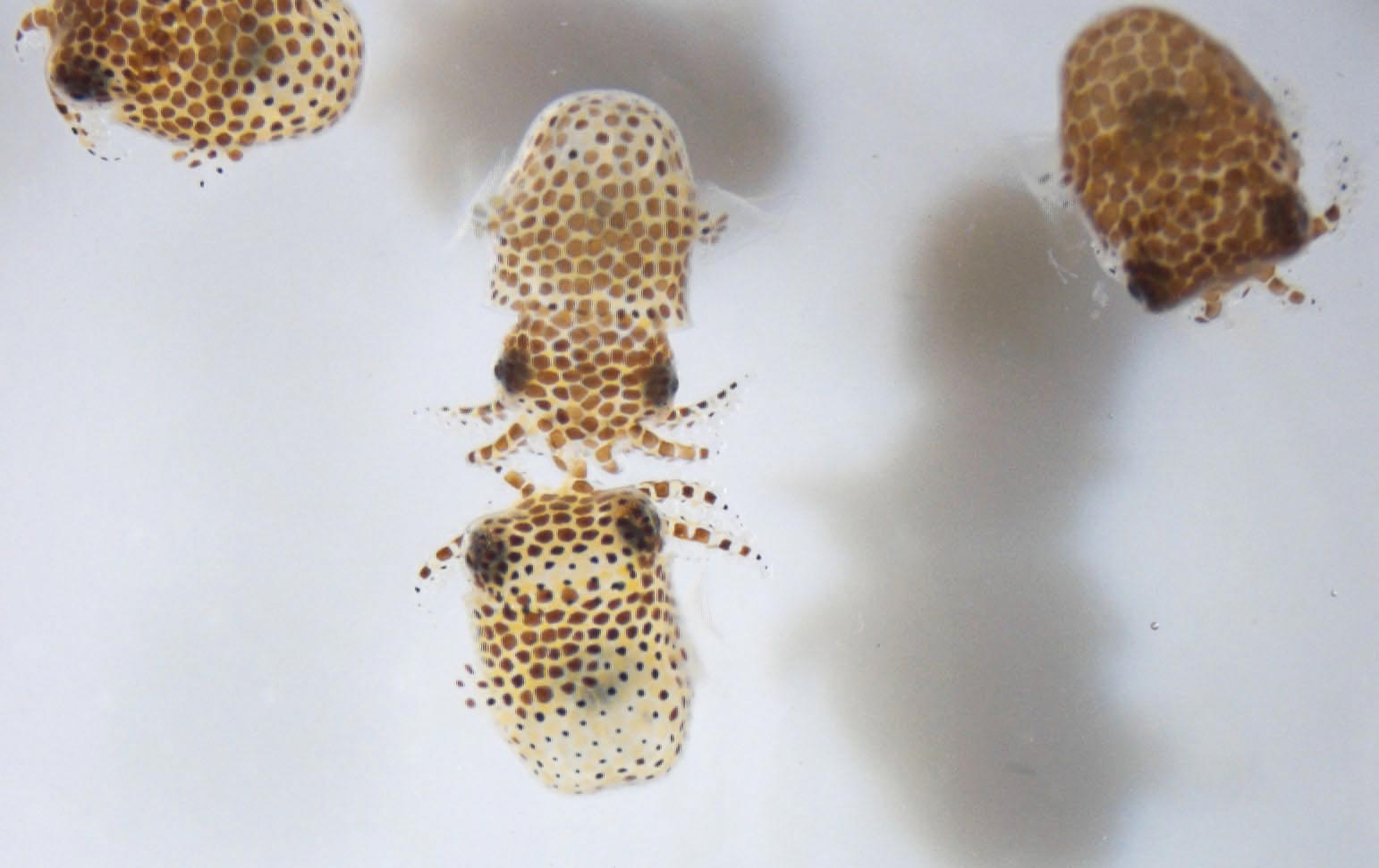
Symbiotic Squid and Microbes
The Understanding of Microgravity on Animal-Microbe Interactions (UMAMI) study uses bobtail squid and bacteria to examine the effects of spaceflight on interactions between beneficial microbes and their animal hosts. This type of relationship is known as symbiosis. Beneficial microbes play a significant role in the normal development of animal tissues and in maintaining human health, but gravity’s role in shaping these interactions is not well understood. This experiment could support the development of measures to preserve astronaut health and identify ways to protect and enhance these relationships for applications on Earth.
Producing Tougher Cotton
Cotton is used in many products, but its production uses significant amounts of water and agricultural chemicals. The Targeting Improved Cotton Through On-orbit Cultivation (TICTOC) study focuses on improving cotton’s resilience, water use, and carbon storage. On Earth, root growth depends upon gravity. TICTOC could help define which environmental factors and genes control root development in microgravity. Scientists could use what they learn to develop cotton varieties that require less water and pesticide use.
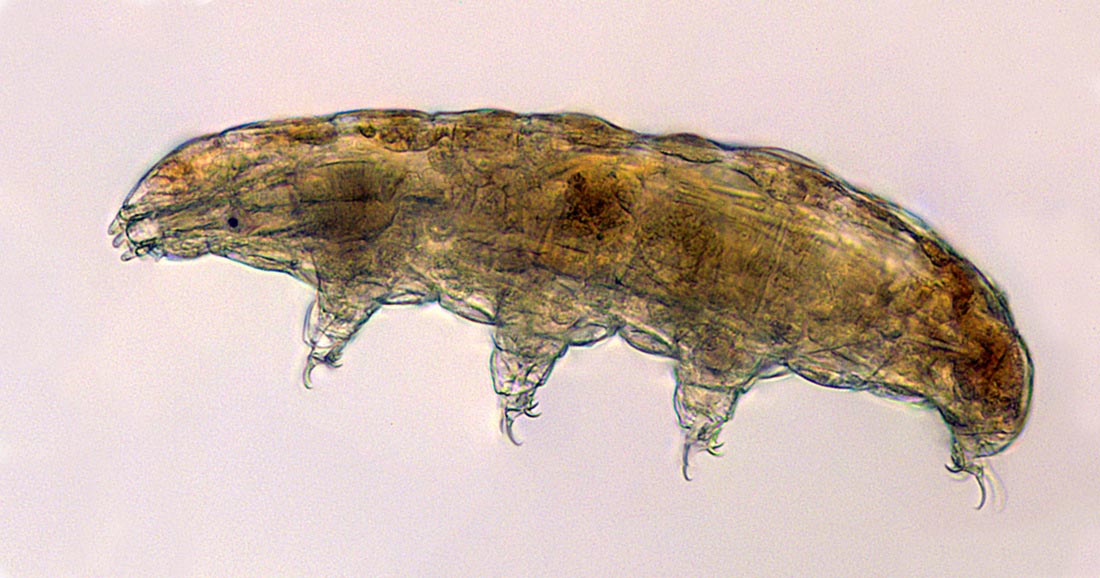
Water Bears Take On Space
Tardigrades, also known as water bears for their appearance when viewed under a microscope, are creatures that can tolerate extreme environments. The Cell Science-04 experiment aims to identify the genes involved in water bear adaptation and survival in these high-stress environments. The results could advance scientists’ understanding of the stress factors that affect humans in space.
On-the-Spot Ultrasound
The handheld, commercial Butterfly IQ Ultrasound device could provide critical medical capabilities to crews on long-term spaceflights where immediate ground support is not an option. This study will demonstrate the use of an ultrasound unit alongside a mobile computing device in microgravity. Its results have potential applications for medical care in remote and isolated settings on Earth.
Developing Better Robot Drivers
An ESA (European Space Agency) investigation, Pilote, tests the effectiveness of remotely operating robotic arms and space vehicles using virtual reality and haptic interfaces. Pilote studies existing and new technologies in microgravity by comparing those recently developed for teleoperation to those used to pilot the Canadarm2 and Soyuz spacecraft. The study also compares astronaut performance in using the interfaces on the ground and during spaceflight. Results could help optimize workstations on the space station and future space vehicles for missions to the Moon and Mars.
Bonus Power
New solar panels headed to the station are made up of compact sections that roll open like a long rug. The ISS Roll-out Solar Arrays (iROSA) are based on a previous demonstration of roll-out panels performed on the station. They are expected to provide an increase in energy available for research and station activities. NASA plans a total of six new arrays to augment the station’s power supply with the first pair launching on this flight. The Expedition 65 crew is scheduled to begin preparations for spacewalks to supplement the station’s existing rigid panels this summer. The same solar array technology is planned to power NASA’s Gateway in lunar orbit.
These are just a few of the hundreds of investigations currently being conducted aboard the orbiting laboratory in the areas of biology and biotechnology, physical sciences, and Earth and space science. Advances in these areas will help keep astronauts healthy during long-duration space travel and demonstrate technologies for future human and robotic exploration beyond low-Earth orbit to the Moon and Mars through Artemis.
Never miss a breakthrough: Join the SciTechDaily newsletter.
Follow us on Google and Google News.
1 Comment
There is no such thing as the ISS…fakery, and smoke and mirrors from the CGI kings of the fake universe.