
Close Menu
    Facebook X (Twitter) Instagram
    SciTechDaily
    • Biology
    • Chemistry
    • Earth
    • Health
    • Physics
    • Science
    • Space
    • Technology
    Facebook X (Twitter) Pinterest YouTube RSS
    SciTechDaily
    Home»Biology»Study Resurrects Woolly Mammoth DNA to Explore the Cause of Their Extinction
    Biology

    Study Resurrects Woolly Mammoth DNA to Explore the Cause of Their Extinction

    By Oxford University PressFebruary 7, 20201 Comment3 Mins Read
    Facebook Twitter Pinterest Telegram LinkedIn WhatsApp Email Reddit
    Share
    Facebook Twitter LinkedIn Pinterest Telegram Email Reddit
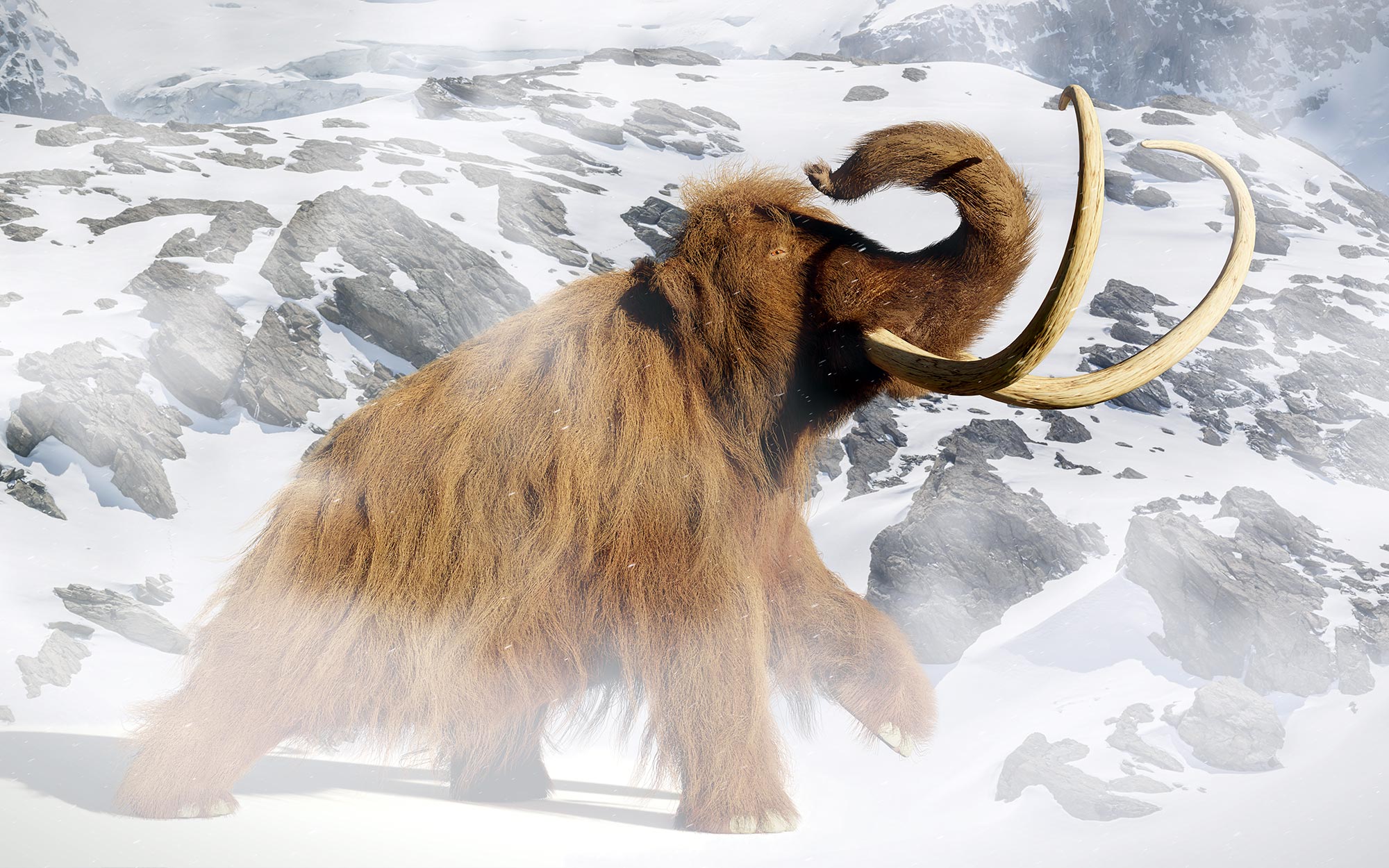
    Woolly Mammoth Rendering
    Woolly Mammoth rendering. Wrangel Island mammoths had genetic defects that could have been fatal to the species due to their small population size. 

    A new study in Genome Biology and Evolution, published by Oxford University Press, resurrected the mutated genes of the last herd of woolly mammoths and found that their small population had developed a number of genetic defects that may have proved fatal for the species.

    Woolly mammoths were one of the most abundant, cold-adapted species on earth before the conclusion of the Pleistocene (~11,700 years ago). The end of this period was marked by dramatic climate fluctuations that eventually gave way to Holocene — which saw the near complete loss of cold and dry steppe tundra, (also known as the Mammoth steppe). This change caused the extinction of many species, including cave bears, cave hyenas, the woolly rhinoceros, and the continental population of woolly mammoths.

    An isolated population of mammoths disappeared later on St. Paul Island due to rising sea levels and a lack of freshwater, which left only a small population of woolly mammoths (~ 300-500) on Wrangel Island, a remote Arctic refuge off the coast of Siberia. This final herd of mammoths died out some 5,000 years ago, though the cause of their extinction has long been a mystery.

    Researchers here built upon the prior scientific studies that identified potentially harmful genetic mutations on the Wrangel Island mammoths. Comparing the DNA of a Wrangel Island mammoth to that of 3 Asian elephants and 2 more ancient mammoths, the study found a number of unique genetic mutations. The genes that showed these mutations related to a range of important functions, including neurological development, male fertility, insulin signaling, and sense of smell.

    The final cause of the extinction of the Wrangel Island mammoths is still a mystery, but it is clear that, due to a decline in their population, they suffered from a medley of genetic defects that may have hindered their development.

    “We know how the genes responsible for our ability to detect scents work,” says Vincent J. Lynch, an assistant professor of biological sciences at the University at Buffalo. “So we can resurrect the mammoth’s version, make cells I culture produce the mammoth gene, and then test whether the protein functions normally in cells. If it doesn’t — and it didn’t — we can infer that it probably means that Wrangel Island mammoths were unable to smell the flowers that they ate.”

    Reference: “Functional architecture of deleterious genetic variants in the genome of a Wrangel Island mammoth” by Erin Fry, Sun K Kim, Sravanthi Chigurapti, Katelyn M Mika, Aakrosh Ratan, Alexander Dammermann, Brian J Mitchell, Webb Miller and Vincent J Lynch, 7 February 2020, Genome Biology and Evolution.
    DOI: 10.1093/gbe/evz279

    Never miss a breakthrough: Join the SciTechDaily newsletter.
    Follow us on Google and Google News.

    Extinction Genetics Popular
    Share. Facebook Twitter Pinterest LinkedIn Email Reddit

    Related Articles

    The Last Stand of the Woolly Mammoths: Secrets of Survival and Mysterious Extinction on Wrangel Island

    Why Do Some Species Survive Mass Extinctions? Hidden “Whole Genome Duplication” May Be the Secret

    No Longer Science Fiction: De-Extinction of the Tasmanian Tiger Moves One Step Closer

    Forget Mammoths – These Scientists Are Working To Resurrect the Extinct Christmas Island Rat Through DNA Editing

    Snakes Diversified Explosively After Mass Extinction Where Dinosaurs Were Wiped Out

    First US Case of Human-Led Insect Extinction Confirmed by DNA From 93-Year-Old Butterfly

    Killer of Critically Endangered Christmas Island Reptile Identified

    Zoonomia Project: Largest Set of Mammalian Genomes Reveals Species at Risk of Extinction

    Female Sumatran Rhino May Be The Key to Saving The Species

    1 Comment

    1. Dr. Jerran T. Flinders, Ph.D on February 9, 2020 9:59 am

      This amount of information is not convincing regarding the sense of smell. It is too easy to make really important conclusions with data that is hard for others to check for veracity. So much of an elephant’s and surely mammoth nerves are dedicated to the trunk and its complete operation that there was surely a whole suite of nerves dedicated to the sense of smell. Other senses, e.g. touch, taste, eye sight, learning from others and etc., besides the sense of smell guided food selection. The deadly pinch period of food availability and selection was in the winter when flowers are not available. Mammoths needed huge amounts of food year around and in winter their diets had to depend on woody vegetation such as willow, birch, aspen and etc. Their study’s conclusions do not survive the smell test.

      Reply
    Leave A Reply Cancel Reply

    • Facebook
    • Twitter
    • Pinterest
    • YouTube

    Don't Miss a Discovery

    Subscribe for the Latest in Science & Tech!

    Trending News

    The Universe Is Expanding Too Fast and Scientists Can’t Explain Why

    “Like Liquid Metal”: Scientists Create Strange Shape-Shifting Material

    Early Warning Signals of Esophageal Cancer May Be Hiding in Plain Sight

    Common Blood Pressure Drug Shows Surprising Power Against Deadly Antibiotic-Resistant Superbug

    Scientists Uncover Dangerous Connection Between Serotonin and Heart Valve Disease

    Scientists Discover a “Protector” Protein That Could Help Reverse Hair Loss

    Bone-Strengthening Discovery Could Reverse Osteoporosis

    Scientists Uncover Hidden Trigger Behind Stem Cell Aging

    Follow SciTechDaily
    • Facebook
    • Twitter
    • YouTube
    • Pinterest
    • Newsletter
    • RSS
    SciTech News
    • Biology News
    • Chemistry News
    • Earth News
    • Health News
    • Physics News
    • Science News
    • Space News
    • Technology News
    Recent Posts
    • A Common Diabetes Drug May Hold the Key to Stopping HIV From Coming Back
    • Ancient “Syphilis-Like” Disease in Vietnam Challenges Key Scientific Assumptions
    • Drinking Alcohol To Cope in Your 20s Could Damage Your Brain for Life
    • Scientists Crack Alfalfa’s Chromosome Mystery After Decades of Debate
    • Ancient Ant-Plant Alliance Collapses As Predatory Wasps Move In
    Copyright © 1998 - 2026 SciTechDaily. All Rights Reserved.
    • Science News
    • About
    • Contact
    • Editorial Board
    • Privacy Policy
    • Terms of Use

    Type above and press Enter to search. Press Esc to cancel.