
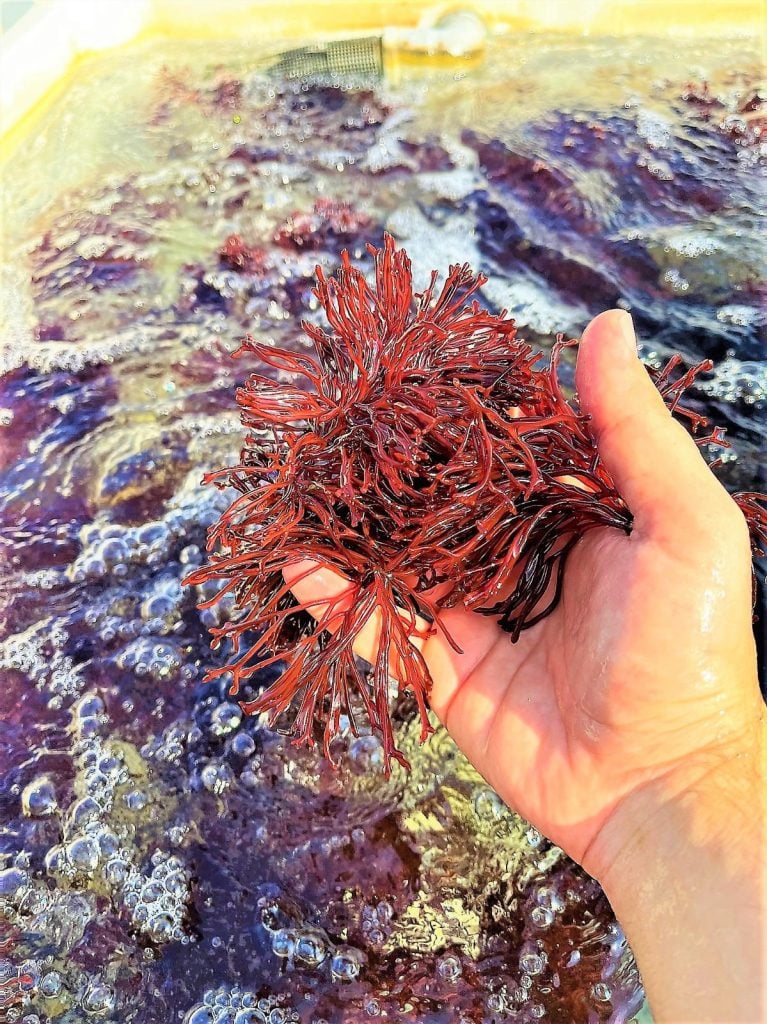
Researchers have developed techniques to enhance seaweed’s bioactive compounds, achieving unprecedented levels of antioxidants and UV filters. This sustainable cultivation method offers new opportunities for industries like pharmaceuticals and food while addressing global ecological challenges.
Scientists from Tel Aviv University and the Israel Oceanographic and Limnological Research Institute (IOLR) have made significant strides in improving seaweed’s capacity to produce healthy natural materials.
Their recent research has been centered around boosting the production of bioactive compounds in seaweed that provide human health benefits. These include antioxidants, whose concentration in the seaweed has been increased twofold; natural sunscreens, whose concentrations have seen a threefold rise; and medically valuable unique protective pigments, which have been dramatically enhanced tenfold.
According to the researchers, these findings may serve the pharmaceutical, cosmetics, food, and nutritional supplement industries. The study was carried out with the innovative and sustainable approach of integrated aquaculture, which combines seaweed with fish cultivation. This method benefits the seaweed while at the same time helping to purify the seawater and minimize negative environmental impacts.
The new development was led by Ph.D. student Doron Ashkenazi of Tel Aviv University and the Israel Oceanographic and Limnological Research Institute, under the guidance of Prof. Avigdor Abelson of Tel Aviv University’s School of Zoology and Prof. Alvaro Israel of the IOLR in Haifa, in collaboration with other leading researchers from Israel and around the world, including Guy Paz from IOLR; organic chemistry expert Dr. Shoshana Ben-Valid; Dr. Eitan Salomon from the National Center for Mariculture in Eilat; and Prof. Félix López Figueroa, Julia Vega, Nathalie Korbee, and Marta García-Sánchez from Malaga University in Spain.
The article was published in the scientific journal Marine Drugs, thanks to the study’s groundbreaking findings in the field of marine-derived health and medicinal compounds.
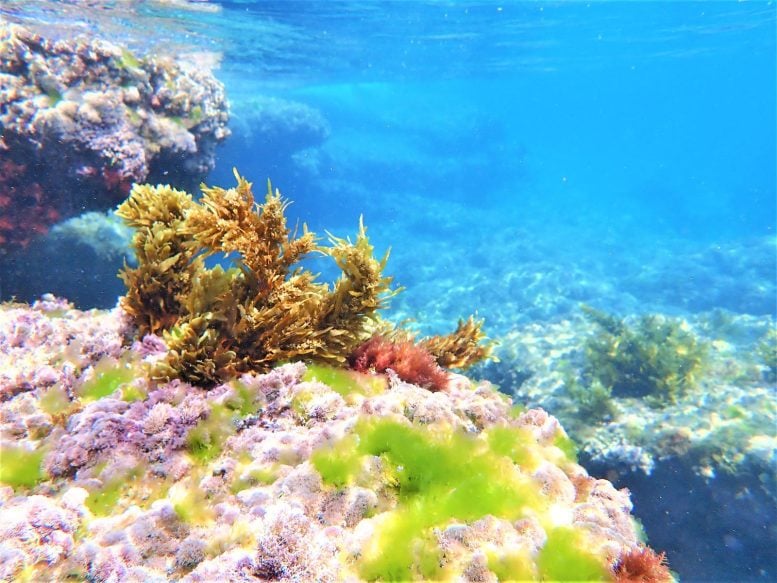
Doron Ashkenazi explains: “Seaweed, also known as macroalgae, are marine plants that form the basis of the coastal marine ecosystem. The seaweed absorb carbon dioxide and release oxygen into the environment. They purify the water, and provide food, habitat, and shelter for numerous species of fish and invertebrates. Not many are aware of it, however on top of all that, seaweed produce a wide variety of distinct bio-active compounds that are beneficial to humans.”
Seaweed as a Versatile Natural Resource
He continues, “The seaweed living in the intertidal zone face extreme stress conditions, which include changes in salinity, temperature, desiccation conditions, changes in the availability of nutrients, and high exposure to solar radiation, especially in the ultraviolet (UV) range. Therefore, in order to survive, the seaweed have developed a unique set of chemical defense mechanisms – natural chemicals that help them cope with these harsh environments. One could say that seaweed are highly efficient natural factories for the production of valuable substances, that may offer significant benefits to humans.”
In a previous study, the same group of researchers developed an innovative technology that enables the growth of seaweed enriched with proteins and minerals such as zinc, iron, iodine, magnesium, and calcium. In the current study, they sought to examine whether and how it is possible to increase and maximize the seaweed’ production of bio-active compounds, and secondary metabolites, that offer significant health benefits. These substances include antioxidants, protective pigments, and natural UV radiation filters.
To this end, they established an original and practical cultivation approach, in which three local seaweed: Ulva, Gracilaria, and Hypnea, were initially grown alongside fish effluents, and subsequently exposed to various abiotic conditions (stressors), namely high irradiance, nutrient starvation, and high salinity. The researchers investigated how these changes affected the concentration of specific valuable biomaterials in the seaweed, with the aim of enhancing their production.
The results showed impressive increases in their concentrations: the antioxidant levels were doubled, the seaweed natural sunscreen molecules were tripled, and protective pigments were increased by tenfold!
Creating “Super Seaweed”
“We developed optimal cultivation conditions and invented a new and clean way to increase the levels of healthy natural bio-active compounds in seaweed to an unprecedented level,” says Ashkenazi. “We in fact produced ‘super seaweed’ tailor designed to be utilized by the emerging health industries for food and health applications.”
Using their cultivation approach, the researchers believe that in the future it will be possible to elevate seaweed to additional natural materials with important medical properties, such as anti-cancer, anti-diabetic, anti-inflammatory, anti-viral, and ant-biotic substances.
Furthermore, the current methodology has the potential to be applied in the seaweed global aquaculture industry and can help promote the State of Israel as a leading power in seaweed biotechnology.
Eco-Friendly Aquaculture for a Sustainable Future
The researchers also emphasize that seaweed aquaculture is environmentally-friendly, preserving the ecological balance, and furthermore, reduces environmental risks by minimizing excessive amounts of anthropogenic nutrients and other pollutants, reducing the emission of greenhouse gases, and lowering the carbon footprint. In this way, seaweed aquaculture can help cope with global environmental challenges such as pollution, habitat loss, and the climate crisis.
Doron Ashkenazi concludes: “In the future, humanity will focus on creating science-based environmental solutions, such as the one we offer in the current study: technologies that promote recycling and the sound use of natural resources without overexploiting them. The study demonstrates, in a practical manner, how we can enjoy nature services without harming it. Just as the “seaweed” suggests, we can learn from nature how to preserve it, and thus live and prosper alongside it.”
Reference: “Enhancing Bioproducts in Seaweeds via Sustainable Aquaculture: Antioxidant and Sun-Protection Compounds” by Doron Yehoshua Ashkenazi, Félix L. Figueroa, Nathalie Korbee, Marta García-Sánchez, Julia Vega, Shoshana Ben-Valid, Guy Paz, Eitan Salomon, Álvaro Israel and Avigdor Abelson, 7 December 2022, Marine Drugs.
DOI: 10.3390/md20120767
Never miss a breakthrough: Join the SciTechDaily newsletter.
Follow us on Google and Google News.