
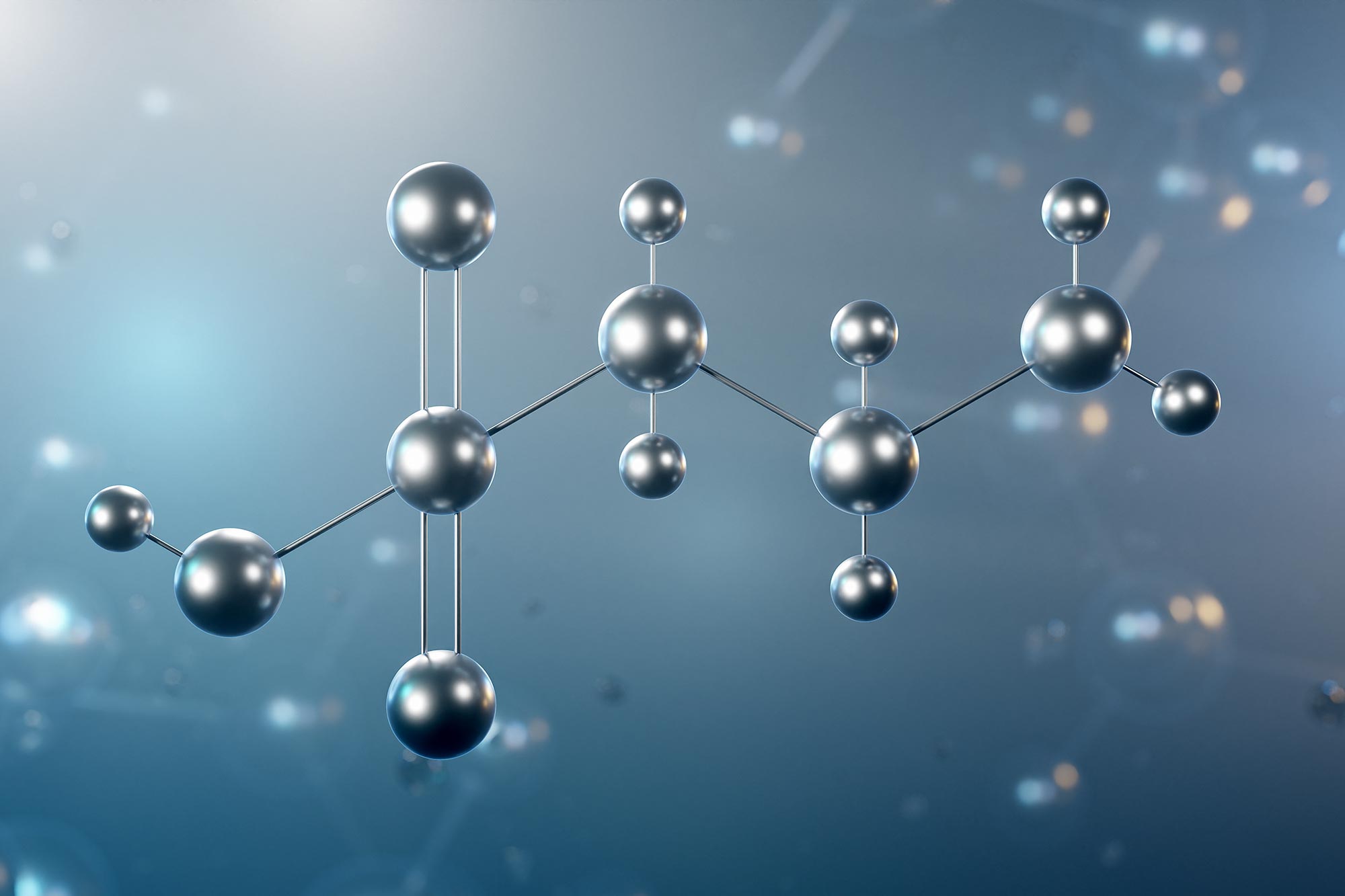
The findings indicate that this amino acid did not show a longitudinal decline with age.
Taurine, a popular amino acid known for its role in energy drinks and supplements, may not be the aging breakthrough some hoped for. In a new study, scientists at the National Institutes of Health (NIH) have discovered that taurine levels in the blood do not consistently reflect the aging process.
The research analyzed blood samples from humans, monkeys, and mice. Surprisingly, taurine levels often stayed the same or even increased with age across all species. In fact, differences in taurine levels between individuals were often larger than any changes seen with aging itself.
The findings, published in the journal Science, also revealed that taurine levels were not reliably linked to health outcomes. Whether someone had high or low taurine did not consistently predict age-related changes like muscle strength or body weight. These patterns varied across different species, age groups, and even study locations.
This suggests that taurine’s role in aging is far more complex than a simple decline over time. Factors like genetics, diet, and environment may all influence how taurine functions in the body.
Taurine has recently gained popularity as a supplement after studies in mice and worms showed it could improve age-related traits and even extend lifespan. But while these early results are exciting, researchers caution that there is still no strong clinical evidence showing similar benefits for humans.
Cross-Species and Longitudinal Analysis
“A recent research article on taurine led us to evaluate this molecule as a potential biomarker of aging in multiple species,” said Rafael de Cabo, Ph.D., study co-author and chief of the Translational Gerontology Branch at NIH’s National Institute on Aging (NIA).
Researchers measured taurine concentration in longitudinally collected blood from participants in the Baltimore Longitudinal Study of Aging (aged 26-100), rhesus monkeys (aged 3-32 years), and mice (aged 9-27 months). Taurine concentrations increased with age in all groups, except in male mice, in which taurine remained unchanged. Similar age-related changes in taurine concentrations were observed in two cross-sectional studies of geographically distinct human populations, the Balearic Islands Study of Aging (aged 20-85) from the Balearic region of Mallorca, and the Predictive Medicine Research cohort (aged 20-68) from Atlanta, Georgia, as well as in the cross-sectional arm of the Study of Longitudinal Aging in Mice.
Broader Implications for Biomarker Research
“We used longitudinal, cross-species data across the lifespan under normal conditions aimed to clarify how taurine levels change with age as a biomarker for aging, a key advance for aging research,” added Maria Emilia Fernandez, Ph.D., study co-author and postdoctoral fellow of the Translational Gerontology Branch at NIA.
Researchers also found that the relation between taurine and muscle strength or body weight was inconsistent. For example, analyses of gross motor function highlight the limitations of considering solely circulating taurine changes as indicative of biological aging, as comparatively low motor function performance can be associated either with high or low concentrations of taurine, whereas in other cases, no relation at all is found between these variables.
“Identifying reliable biomarkers to predict the onset and progression of aging and functional decline would be a major breakthrough, enabling more effective, personalized strategies to maintain health and independence into old age”, emphasized Luigi Ferrucci, M.D., Ph.D., study co-author and scientific director at NIA.
Reference: “Is taurine an aging biomarker?” by Maria Emilia Fernandez, Michel Bernier, Nathan L. Price, Simonetta Camandola, Miguel A. Aon, Kelli Vaughan, Julie A. Mattison, Joshua D. Preston, Dean P. Jones, Toshiko Tanaka, Qu Tian, Marta González-Freire, Luigi Ferrucci and Rafael de Cabo, 5 June 2025, Science.
DOI: 10.1126/science.adl2116
This study was funded by the in-house research program at NIH’s National Institute on Aging.
Never miss a breakthrough: Join the SciTechDaily newsletter.
Follow us on Google and Google News.