
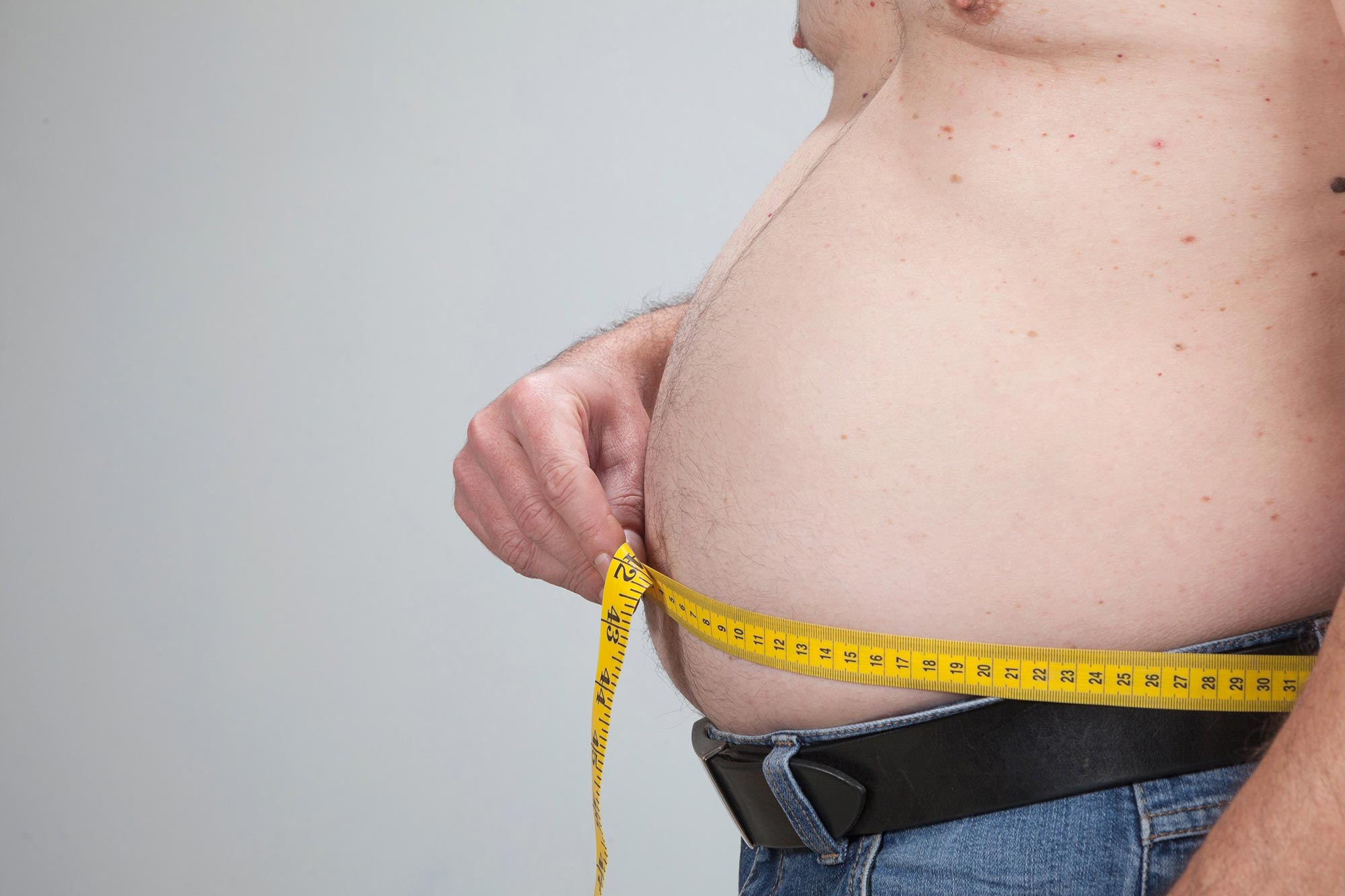
New research from the University of Auckland’s Liggins Institute suggests that a capsule containing healthy gut bacteria could potentially change the future of obesity treatment.
Eight years ago, a group of 87 adolescents living with obesity volunteered for a pioneering experiment exploring whether a fecal transfer (taking ‘good’ gut bacteria from healthy donors and giving them in capsule form to people with a less healthy microbiome) could improve their health and weight.
Now, four years after that initial trial, a follow-up study published in the leading scientific journal Nature Communications reports notable long-term health benefits from that single transfer of gut bacteria.
The findings reveal that participants who received the bacterial capsules were less likely to develop a range of metabolic changes linked to heart disease, stroke, and diabetes when compared with those who received a placebo.
Obesity remains a serious health concern in New Zealand and around the world. In Aotearoa, according to Ministry of Health statistics, one in ten children and one in three adults are classified as obese, giving the country the third-highest obesity rate among OECD nations.
The Weight and Metabolic Connection
Obese teenagers often grow up to be obese adults, and obese adults are more likely to suffer from a number of health problems, including type 2 diabetes, heart disease, stroke, cancer, osteoarthritis, sleep apnea, and problems with pregnancy and birth.

Professor Wayne Cutfield says four years after the original study, the group that had received the gut bugs hadn’t lost weight. However, unlike the placebo group, they hadn’t put it on. The treatment group was on average 11 kg (24 pounds) lighter than those who had the placebo, although this was not considered statistically significant.
More important was the impact on metabolic syndrome, Cutfield says. Metabolic syndrome is a cluster of five conditions – high blood pressure, high blood sugar, large waist circumference, high triglycerides (fat in the blood), and low HDL (‘good’) cholesterol.
“More than one in three of the original teenage participants in our study had metabolic syndrome,” Cutfield says. “Metabolic syndrome has severe consequences, including a doubling in risk of death from heart disease or stroke and a five-fold increased risk of type 2 diabetes.
“What is impressive is that just a single FMT [fecal microbiota transplantation] treatment produced a dramatic reduction in metabolic syndrome that lasted at least four years. This means participants are at much lower risk of developing diabetes and heart disease over the long term.”
Long-Term Microbial Success
Professor Justin O’Sullivan says another key finding in the follow-up study was that four years after the original fecal transfer, the introduced healthy bacteria were still present and thriving in the guts of the participants who had taken the capsules.
“It really makes us think about the timeframes over which we look for the impacts of microbiome-based treatments.”
O’Sullivan says the team is now working to identify and isolate a small number of ‘good’ gut bacteria likely to be the ones responsible for the beneficial health outcomes from the study.
“Imagine being able to program your microbiome to reduce the risk of conditions before they occur. This work is paving the way for next-generation probiotics that target specific conditions through sustained changes to the microbiome.”
Cutfield says commercialization is the final goal, and Liggins is working towards producing and trialing capsules.
“Our holy grail is to develop a super mix of bacteria that can be taken to prevent or moderate metabolic syndrome. The first step is to prove our bespoke combination of bacteria actually works.”
Reference: “Long-term health outcomes in adolescents with obesity treated with faecal microbiota transplantation: 4-year follow-up” by Brooke C. Wilson, Michele Zuppi, José G. B. Derraik, Benjamin B. Albert, Ry Y. Tweedie-Cullen, Karen S. W. Leong, Kathryn L. Beck, Tommi Vatanen, Justin M. O’Sullivan and Wayne S. Cutfield, 28 August 2025, Nature Communications.
DOI: 10.1038/s41467-025-62752-4
Never miss a breakthrough: Join the SciTechDaily newsletter.
Follow us on Google and Google News.
1 Comment
If they do find and market it, they should call it, “The Right Stuff”™