
Close Menu
    Facebook X (Twitter) Instagram
    SciTechDaily
    • Biology
    • Chemistry
    • Earth
    • Health
    • Physics
    • Science
    • Space
    • Technology
    Facebook X (Twitter) Pinterest YouTube RSS
    SciTechDaily
    Home»Technology»The Future of Semiconductors Is Clear For Improved Solar Power Generation
    Technology

    The Future of Semiconductors Is Clear For Improved Solar Power Generation

    By University of TokyoApril 22, 2020No Comments3 Mins Read
    Facebook Twitter Pinterest Telegram LinkedIn WhatsApp Email Reddit
    Share
    Facebook Twitter LinkedIn Pinterest Telegram Email Reddit
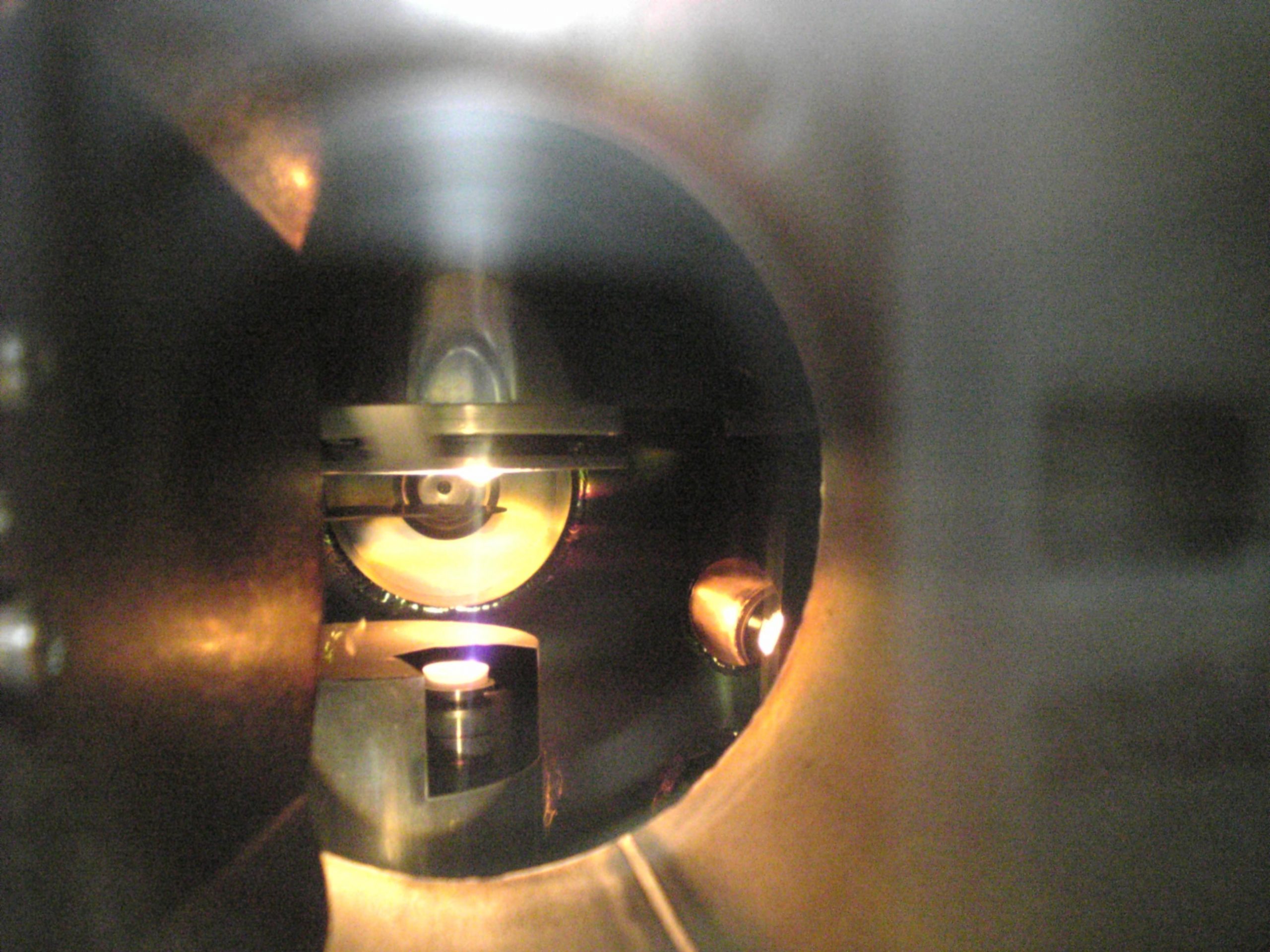
    Laser Deposition Tin Dioxide Thin Film
    A focused laser is used to create thin films of tin dioxide. Credit: © 2020 Nakao et al.

    A clear semiconductor based on tin could improve solar power generation.

    Mobility is a key parameter for semiconductor performance and relates to how quickly and easily electrons can move inside a substance. Researchers have achieved the highest mobility among thin films of tin dioxide ever reported. This high mobility could allow engineers to create thin and even transparent tin dioxide semiconductors for use in next-generation LED lights, photovoltaic solar panels or touch-sensitive display technologies.

    Tin and oxygen are very familiar elements, and when combined in a certain way to become tin dioxide, the material can be made into a semiconductor. Semiconductors are fundamental to most of our technology and are the basis of computer chips, solar panels, and more. Since the 1960s, tin dioxide specifically has found use in industrial applications like gas sensors and transparent electrodes for solar devices. The material is effective for these things because of its high mobility. For most applications, higher is better. However, the high mobility of tin oxide only existed in large bulk crystals, until now.
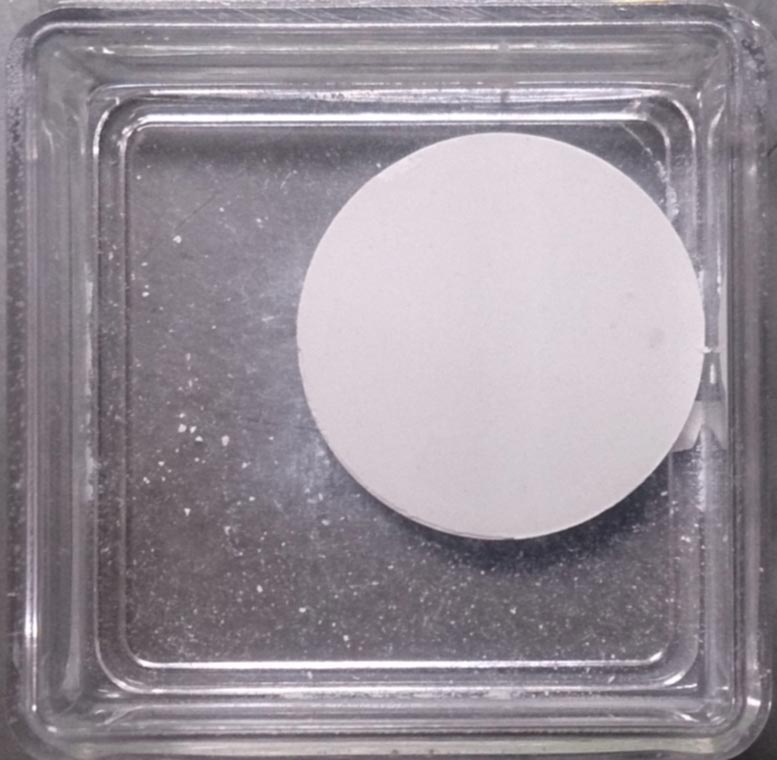
    Tin Dioxide Pellet
    The raw material used to make tin dioxide semiconductors. Credit: © 2020 Nakao et al.

    “We demonstrated the highest mobility in a thin film of tin oxide ever achieved. Improved mobility not only enhances the conductivity but also the transparency of the material,” said Shoichiro Nakao, a researcher from the Department of Chemistry at the University of Tokyo. “Generally, transparency and conductivity cannot coexist in a material. Typical transparent materials such as glass or plastic are insulating, whereas conducting materials like metals are opaque. Few materials exhibit transparent conductivity — it’s very interesting!”

    The more transparent a semiconductor can be, the more light it can let through. Nakao and his team have made a tin oxide thin film that allows visible light and near-infrared light to pass. This is a great benefit to the power conversion efficiency of photovoltaic solar panels, but other uses could include enhanced touch-screen displays with even better accuracy and responsiveness, or more efficient LED lights.
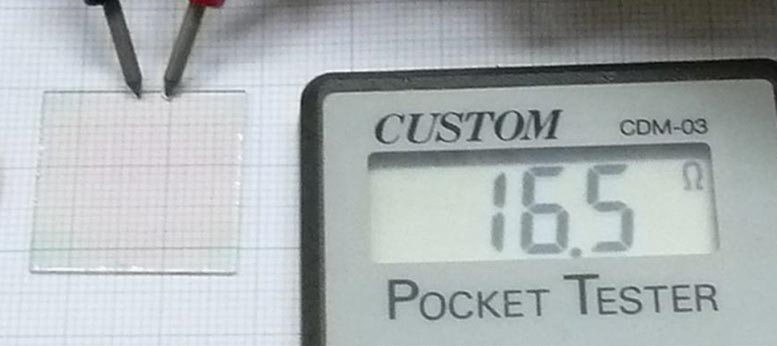
    Final Tin Dioxide Thin Film
    The final tin dioxide thin film grown on glass to make efficient photovoltaics. Credit: © 2020 Nakao et al.

    “Our method of production was key to creating a substance with these properties. We used a highly focused laser to evaporate pellets of pure tin dioxide and deposit or grow material exactly how we wanted it,” said Nakao. “Such a process allows us to explore different growth conditions as well as how to incorporate additional substances. This means we can endow tin dioxide semiconductors with high mobility and useful functionality.”

    Reference: “High mobility approaching the intrinsic limit in Ta-doped SnO2 films epitaxially grown on TiO2 (001) substrates” by Michitaka Fukumoto, Shoichiro Nakao, Kei Shigematsu, Daisuke Ogawa, Kazuo Morikawa, Yasushi Hirose and Tetsuya Hasegawa, 22 April 2020, Scientific Reports.
    DOI: 10.1038/s41598-020-63800-3

    This work was supported by JSPS KAKENHI Grant Number 15K04687 and CREST, JST.

    Never miss a breakthrough: Join the SciTechDaily newsletter.
    Follow us on Google and Google News.

    Electrical Engineering Green Energy Semiconductors Solar Cells University of Tokyo
    Share. Facebook Twitter Pinterest LinkedIn Email Reddit

    Related Articles

    New Advancement Could Make Solar Panels 2 to 4 Times Cheaper

    Transparent Solar Panels for Windows Hit New Efficiency Record – Could Help Enable Skyscrapers to Serve As Power Sources

    Discovery Unlocks ‘Hot’ Electrons for More Efficient Solar Panels

    New Efficiency Record Set by Novel Multi-Material Solar Cells

    Solar Cell Performance Boosted by Biological Material That Mimics Photosynthesis

    Solar Cell Efficiency Increased With Innovative Two-Dimensional Materials

    New High-Performance Photovoltaic Solar Cells That Work Indoors

    New Discovery Advances Flexible Solar Cells a Step Closer to Reality

    Improving Solar Cell Efficiency With Nanowire Arrays

    Leave A Reply Cancel Reply

    • Facebook
    • Twitter
    • Pinterest
    • YouTube

    Don't Miss a Discovery

    Subscribe for the Latest in Science & Tech!

    Trending News

    The Universe Is Expanding Too Fast and Scientists Can’t Explain Why

    “Like Liquid Metal”: Scientists Create Strange Shape-Shifting Material

    Early Warning Signals of Esophageal Cancer May Be Hiding in Plain Sight

    Common Blood Pressure Drug Shows Surprising Power Against Deadly Antibiotic-Resistant Superbug

    Scientists Uncover Dangerous Connection Between Serotonin and Heart Valve Disease

    Scientists Discover a “Protector” Protein That Could Help Reverse Hair Loss

    Bone-Strengthening Discovery Could Reverse Osteoporosis

    Scientists Uncover Hidden Trigger Behind Stem Cell Aging

    Follow SciTechDaily
    • Facebook
    • Twitter
    • YouTube
    • Pinterest
    • Newsletter
    • RSS
    SciTech News
    • Biology News
    • Chemistry News
    • Earth News
    • Health News
    • Physics News
    • Science News
    • Space News
    • Technology News
    Recent Posts
    • 5 Common Myths About Learning a New Language, Debunked
    • The Neanderthal “Love Story” Isn’t What It Seems
    • Scientists Unlock Hidden Secrets of 2,300-Year-Old Mummies Using Cutting-Edge CT Scanner
    • Men vs. Women: Scientists Uncover Dramatic Differences in How the Immune System Ages
    • Eating Chili Peppers Linked to Longer Life
    Copyright © 1998 - 2026 SciTechDaily. All Rights Reserved.
    • Science News
    • About
    • Contact
    • Editorial Board
    • Privacy Policy
    • Terms of Use

    Type above and press Enter to search. Press Esc to cancel.