
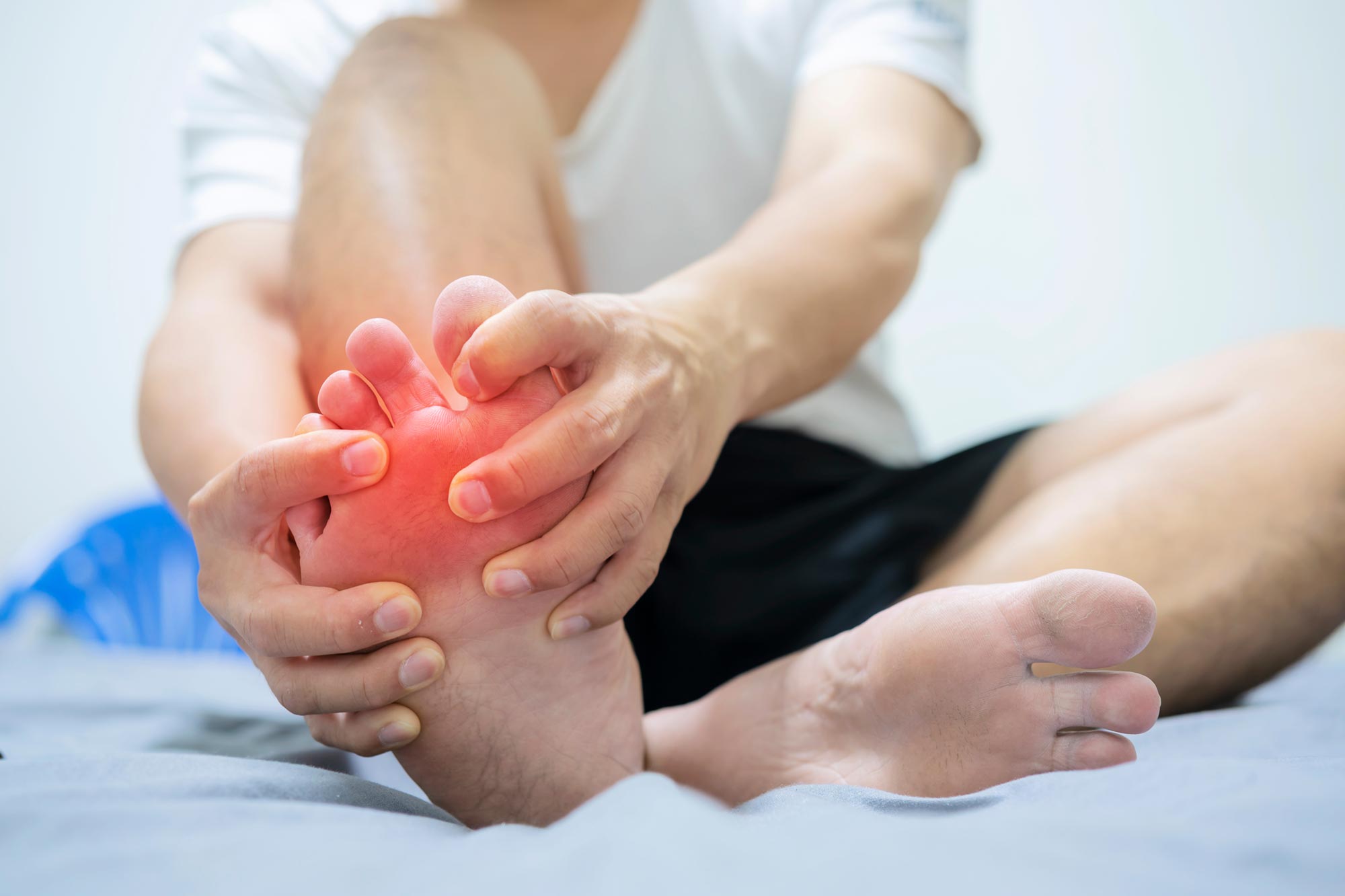
TikTok’s viral gout advice may be popular, but doctors say it leaves out what actually works.
A new study published in Rheumatology Advances in Practice by Oxford University Press reports that TikTok videos about gout frequently contain information that is misleading, inconsistent, or incorrect.
What Gout Is and Why Control Remains a Challenge
Gout is a form of inflammatory arthritis that causes sudden and severe pain. It develops when urate levels in the blood become too high, allowing crystals to form and collect in the joints. Around forty-one million people worldwide live with gout, and physicians diagnose about seven million new cases each year.
Despite its prevalence, understanding of gout remains limited among both patients and the general public. Medical guidelines from rheumatology organizations clearly recommend long-term urate-lowering therapy as the most effective way to manage the disease. Even so, many people with gout do not achieve good long-term control.
TikTok’s Expanding Role in Health Information
Social media use is nearly universal, with about 98% of people aged 12 years or older active on these platforms. Individuals with health conditions are especially engaged, as 52% are more likely to share health-related information online. TikTok, which has about 1.2 billion users, plays an outsized role in shaping opinions, beliefs, and behaviors related to health.
Its influence is especially strong among young adults. In a survey of 1,172 women aged 18 to 29 years, roughly 70% said they deliberately searched for health information on TikTok. An even higher percentage, 92%, reported encountering health content without actively seeking it.
How Researchers Examined Gout Content
To evaluate the information viewers are seeing, researchers searched for the term “gout” on TikTok’s discover page and reviewed the first two hundred videos that appeared on December 5, 2024. The most common presenters were people living with gout or their close relatives (27%). Health professionals appeared in 24% of the videos, while members of the general public accounted for 23%.
The videos served different purposes. About 38% were intended to offer health advice, 20% focused on personal experiences with gout, and 19% were aimed at selling products.
Diet Advice and Supplements Take Center Stage
Roughly 45% of the videos discussed risk factors for gout, with diet and lifestyle cited most often (90%). A much larger share, about 79%, included advice on managing gout, most commonly through dietary changes.
Some videos highlighted specific foods to avoid. One example featured a patient hospitalized for gout who told viewers that they “can reduce your incidences of gout if you cut back on your salt, your alcohol, and your red meat.” Many videos also promoted supplements, herbal products, or home remedies. These included items advertised as “pills made from pure herbs, with no hormones and no side effects.”
Evidence-Based Treatments Rarely Discussed
Only seven of the videos mentioned medications as a way to manage gout. When drugs were discussed, the focus was usually on short-term pain relief, such as steroids or non-steroidal anti-inflammatory drugs like colchicine, ibuprofen, and naproxen.
Even more notably, just two videos referenced long-term urate-lowering therapy. This approach is considered the standard, clinically verified treatment for gout and is strongly recommended by rheumatologists.
How Misleading Framing Can Shape Beliefs
Overall, the researchers found that many TikTok videos lacked accurate explanations of how urate is produced in the body and what truly increases gout risk. Gout was often portrayed as a condition caused mainly by diet choices that affect urate levels.
While diet and alcohol do play a role, other factors are far more influential. Genetics, kidney impairment, and body weight have a significantly greater impact on gout risk. Content that focuses only on lifestyle choices can frame gout as a personal decision, rather than a condition driven by underlying biological factors.
A Disconnect From Clinical Guidelines
The study authors emphasize that most gout management advice on TikTok does not align with evidence-based medical recommendations. Although 79% of the videos discussed how to manage gout, dietary advice was the most common approach (53%), despite its limited effectiveness over the long term.
Herbal remedies and supplements were also widely promoted, often alongside product sales and imagery suggesting medical credibility.
An Opportunity to Improve Public Understanding
“TikTok has great potential as a tool to raise awareness around health issues such as gout and promote information that aligns with clinical guidelines,” said the paper’s lead author, Samuela ‘Ofanoa. “In an increasingly digital world, there is a need for more health professionals and organizations to seize the opportunity that social media platforms present, and create content that can counter misinformation and improve understanding about gout in our communities.”
Reference: “Gout, TikTok and misleading information: a content analysis” by Samuela ‘Ofanoa, Siobhan Tu’akoi, Emeline Manako, Tebi Ngaire Tabokaai, Melenaite Tohi, Malakai ‘Ofanoa and Felicity Goodyear-Smith, 10 December 2025, Rheumatology Advances in Practice.
DOI: 10.1093/rap/rkaf126
Never miss a breakthrough: Join the SciTechDaily newsletter.
Follow us on Google and Google News.
1 Comment
Most medical misinformation comes from fatally-flawed “evidence-based” mainstream medicine data. They still fail to factor-in my (Dr. Arthur F. Coca’s, by 1935) kind of very, very mild food (minimally) allergy reactions (nearly sub-clinical [sub-acute] non-IgE-mediated) that can cause chronic inflammation and elevated serum uric acid (UA) levels, and toxic officially (FDA in the US) approved food additives that mainstream medicine still fails to recognize and research as true allergies and/or food poisoning, respectively, in susceptible victims. I was first diagnosed with asymptomatic gout (a high blood serum level of UA) in early 1981 following the FDA approval of the expanded use of added MSG in 1980. My first serious gout/pseudogout attack (ca. 2012, about three months of crippling painful ambulating and difficulty sleeping), and a few less serious gout attacks, since, involved the man-made (does not exist in nature) antifreeze propylene glycol (PG) in various combinations with chocolate (a known allergen of mine since late 1981). Fortunately for me I was already retired by then and two Advil Liqui-Gels (ibuprofen) were sufficient to ‘take-the-edge-off’ so I could get to sleep at night. I mostly avoid new gout attacks by avoiding chocolate, especially in bakery goods. Hot soak baths seemed to help some too. Cc: corresponding author.