
Close Menu
    Facebook X (Twitter) Instagram
    SciTechDaily
    • Biology
    • Chemistry
    • Earth
    • Health
    • Physics
    • Science
    • Space
    • Technology
    Facebook X (Twitter) Pinterest YouTube RSS
    SciTechDaily
    Home»Health»The Hidden Dangers in Your Diet: Are Plant-Based Toxins a Greater Risk Than We Thought?
    Health

    The Hidden Dangers in Your Diet: Are Plant-Based Toxins a Greater Risk Than We Thought?

    By BfR Federal Institute for Risk AssessmentMay 25, 20241 Comment3 Mins Read
    Facebook Twitter Pinterest Telegram LinkedIn WhatsApp Email Reddit
    Share
    Facebook Twitter LinkedIn Pinterest Telegram Email Reddit
    Healthy Plant Based Diet Concept
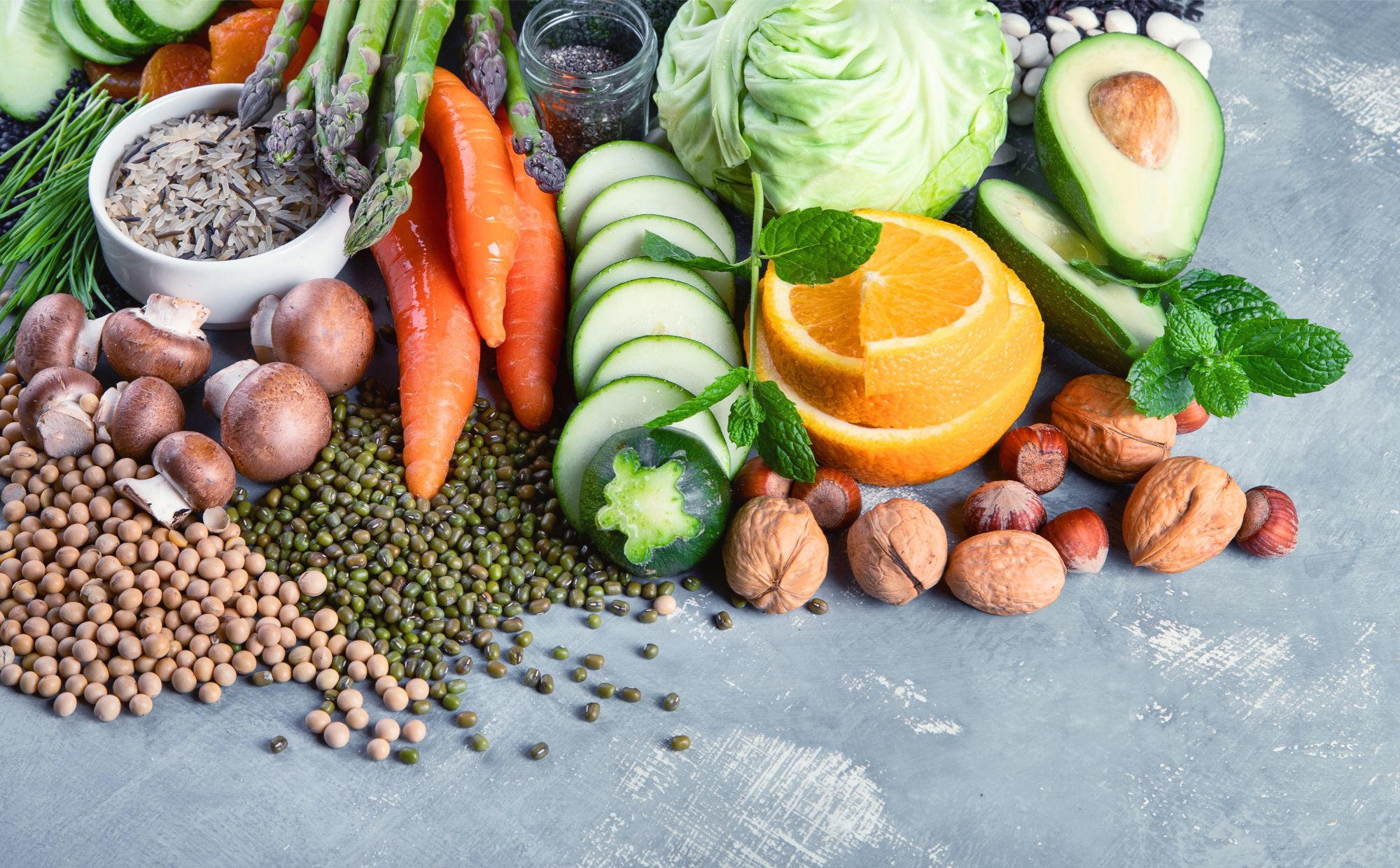
    A study reveals a lack of public awareness and concern about naturally occurring toxins in foods, with many feeling poorly informed and not properly addressing risks like mold in food, contrasting with higher concerns about synthetic residues and contaminants.

    Many individuals worry about the presence of chemical residues, contaminants, or microplastics in their food. Yet, it’s less commonly understood that numerous foods naturally contain toxins. These are typically chemical compounds that plants produce to protect themselves from predators like insects and microorganisms. Such substances, found in foods like beans and potatoes, can potentially pose health risks.

    However, according to a recent representative survey by the German Federal Institute for Risk Assessment (BfR), only just under half of the respondents (47 percent) were even aware of plant toxic substances. The BfR Consumer Monitor Special on naturally occurring plant toxins also revealed that this risk worries 27 percent.

    In contrast, residues in food (e.g. from plant protection products) and contaminants, i.e. substances that are not intentionally added to food (e.g. heavy metals), cause concern for 63 and 62 percent of respondents respectively. “The survey results make it clear that risks of natural origin tend to be underestimated, while risks of synthetic origin tend to be overestimated,” says BfR President Professor Andreas Hensel.

    Raw plant-based foods are consumed frequently by 34 percent, occasionally or rarely by 45 percent, and very rarely or not at all by 19 percent.

    Which foods with naturally occurring plant toxins do you already know? If this question is asked openly and without pre-selection, potatoes are named first (15 percent), followed by tomatoes, raw beans (nine percent each), and mushrooms (five percent).

    Public Concern and Information Deficit

    Naturally occurring toxic substances worry 27 percent in the survey. More than half of the respondents (53 percent) feel poorly informed about plant toxins in food, while only eight percent feel well informed.

    At 63 percent and 62 percent respectively, significantly more consumers are concerned about residues or contaminants.

    Residues are residual amounts of substances that are used in the production of food. For example, residues can remain in fruit, vegetables, or cereals even if plant protection products are used correctly.

    Contaminants, on the other hand, are undesirable substances that unintentionally end up in food. They can occur naturally in the environment, arise during the processing of raw materials into food, or be released into the environment as a result of human activities. Contaminants are undesirable because they can be harmful to health under certain circumstances.

    The study also shed light on the related topic of “moldy food.” Here, too, there is a clear need for education. Even small amounts of mold toxins can be harmful to the health of humans and animals. Moldy jam, for example, should therefore always be disposed of completely. Nevertheless, 25 percent of respondents stated that they only remove the moldy part. Even in the case of moldy berries, affected and surrounding fruit should no longer be eaten. Only 60 percent adhere to this rule.

    Never miss a breakthrough: Join the SciTechDaily newsletter.
    Follow us on Google and Google News.

    Food Science Popular Toxicology
    Share. Facebook Twitter Pinterest LinkedIn Email Reddit

    Related Articles

    Shocking Discovery: 3,600+ Chemicals From Food Packaging Found in Human Bodies

    Tobacco Industry Tactics: Makers of PFAS “Forever Chemicals” Covered Up the Dangers

    Researchers Warn: Preservative Used in Hundreds of Popular Foods May Harm the Immune System

    Simple New Method Is Proven to Accelerate Elimination of Alcohol From the Body

    Warning: More Than 200 Million Americans Could Have Toxic PFAS in Their Drinking Water

    Researchers Warn: Common Food Additive – Banned in France but Allowed in the U.S. – Causes Adverse Health Effects in Mice

    Experts Warn of Growing “Hormone Disrupter” Chemical Threats

    If You Eat Sashimi, Check for Worms: 283-Fold Increase in Sushi Parasites in Past 40 Years

    Biggest Contributor to IQ Loss No Longer Heavy Metals Like Lead – Here’s What to Watch Out for Now

    1 Comment

    1. Sydney Ross Singer on May 25, 2024 1:08 pm

      Many foods and medications contain photosensitizers, which increase the sensitivity of the skin to the UV rays of the sun, leading to burns. These foods incldue citrus, carrots, figs, celery, and more. See my article Burn Easily in the Sun? It Could Be Your Food and Medications. https://www.academia.edu/116510668/Burn_Easily_in_the_Sun_It_Could_be_your_Diet_and_Medications

      Reply
    Leave A Reply Cancel Reply

    • Facebook
    • Twitter
    • Pinterest
    • YouTube

    Don't Miss a Discovery

    Subscribe for the Latest in Science & Tech!

    Trending News

    Largest-Ever Study Finds Medicinal Cannabis Ineffective for Anxiety, Depression, PTSD

    250-Million-Year-Old Egg Solves One of Evolution’s Biggest Mysteries

    Living With Roommates Might Be Changing Your Gut Microbiome Without You Knowing

    Century-Old Cleaning Chemical Linked to 500% Increased Risk of Parkinson’s Disease

    What if Your Memories Never Happened? Physicists Take a New Look at the Boltzmann Brain Paradox

    One of the Universe’s Largest Stars May Be Getting Ready To Explode

    Scientists Discover Enzyme That Could Supercharge Ozempic-Like Weight Loss Drugs

    Popular Sweetener Linked to DNA Damage – “It’s Something You Should Not Be Eating”

    Follow SciTechDaily
    • Facebook
    • Twitter
    • YouTube
    • Pinterest
    • Newsletter
    • RSS
    SciTech News
    • Biology News
    • Chemistry News
    • Earth News
    • Health News
    • Physics News
    • Science News
    • Space News
    • Technology News
    Recent Posts
    • Challenging the Narrative: New Study Shows U.S. Life Expectancy Is Rising Across All States
    • Mystery Illness Kills 5 in Burundi As Doctors Scramble for Answers
    • Bone-Strengthening Discovery Could Reverse Osteoporosis
    • The Most Elusive Number in Physics Just Got Even More Mysterious
    • Scientists Uncover Hidden Trigger Behind Stem Cell Aging
    Copyright © 1998 - 2026 SciTechDaily. All Rights Reserved.
    • Science News
    • About
    • Contact
    • Editorial Board
    • Privacy Policy
    • Terms of Use

    Type above and press Enter to search. Press Esc to cancel.