
Ever wondered why some lakes are bright blue while others are green or brown? The answer lies in the way light interacts with tiny particles, algae, and organic matter. These natural clues help scientists track pollution and protect aquatic ecosystems.
Why Is Water Different Colors in Different Places?
When you think of water, what comes to mind? A cool, refreshing drink? A deep blue ocean stretching to the horizon? A clear lake reflecting the mountains? Or maybe a small pond that looks dark and murky?
Some of these waters might seem more inviting than others, especially if they look clean and clear. Without even realizing it, you’re using science, specifically physics, biology, and chemistry, to decide whether you’d want to swim in them.
Unraveling Water’s Hidden Stories
Water’s color can tell us a lot about what’s in it. As an engineer who studies water resources, I use color to help understand pollution levels in lakes, rivers, and beaches. By analyzing water’s appearance, scientists can determine whether it’s safe for swimming, fishing, or other activities.
Drinking water normally looks clear, but ponds, rivers, and oceans are filled with floating particles. They may be tiny fragments of dirt, rock, plant material, or other substances.
These particles are often carried into the water during storms. Any rainfall that hits the ground and doesn’t go into the soil becomes runoff, flowing downhill until it reaches an open body of water and picking up loose materials along the way.
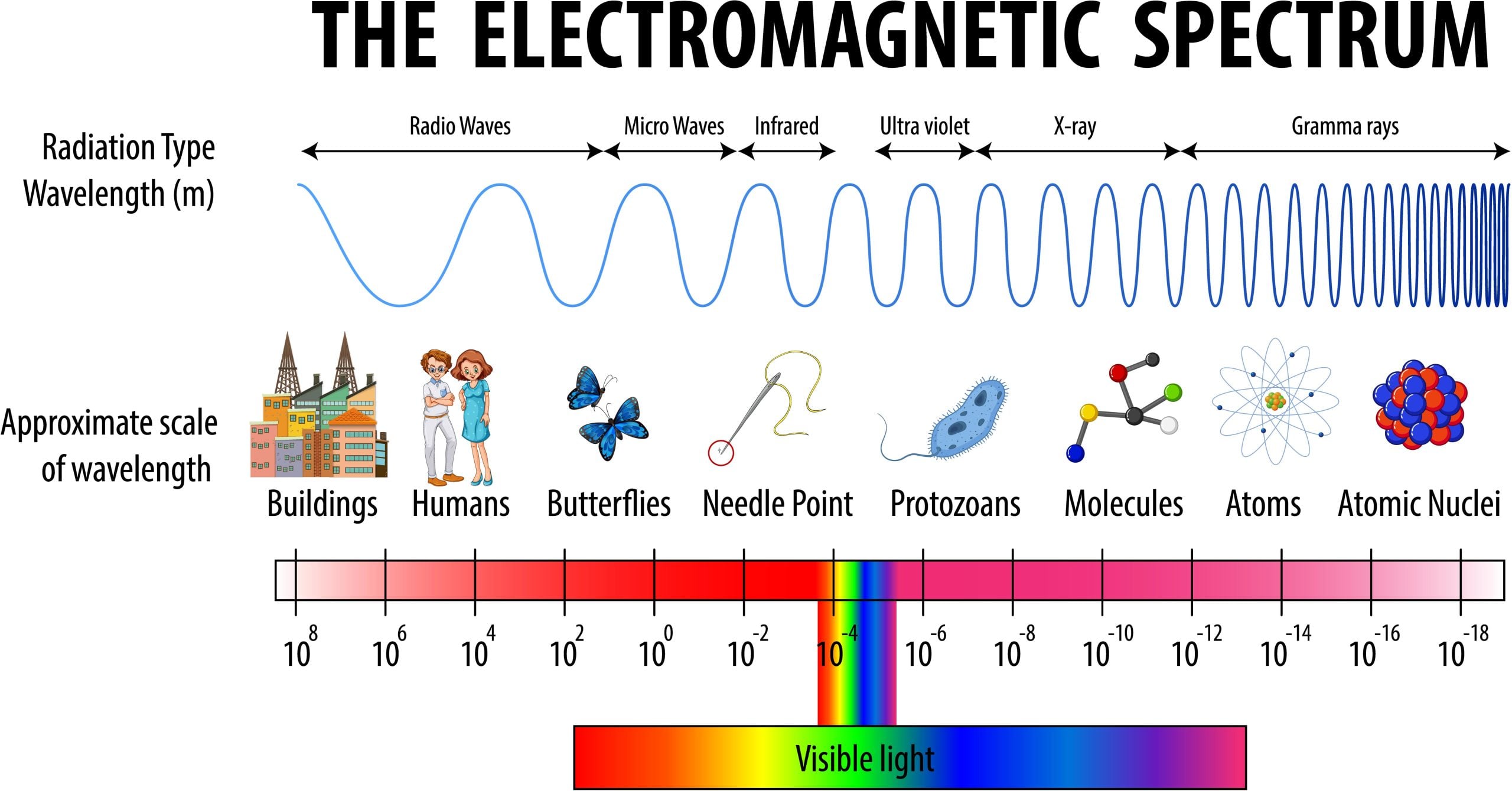
Particles in water interact with radiation from the Sun shining on the water’s surface. The particles can either absorb this radiation or reflect it in a different direction – a process known as scattering. What we see with our eyes is the fraction of radiation that is scattered back out of the water’s surface. It strongly affects how water looks to us, including its color.
Seeing Through the Colors: Water Clarity and Quality
Depending on the properties of the particles in our water sample, they will absorb and scatter radiation at different wavelengths. The light’s wavelength determines the color we see with our eyes.
Waters that contain lots of sediment – such as the Missouri River, nicknamed the “Big Muddy” – backscatter light across the yellow to red range. This makes the water appear orange and muddy.
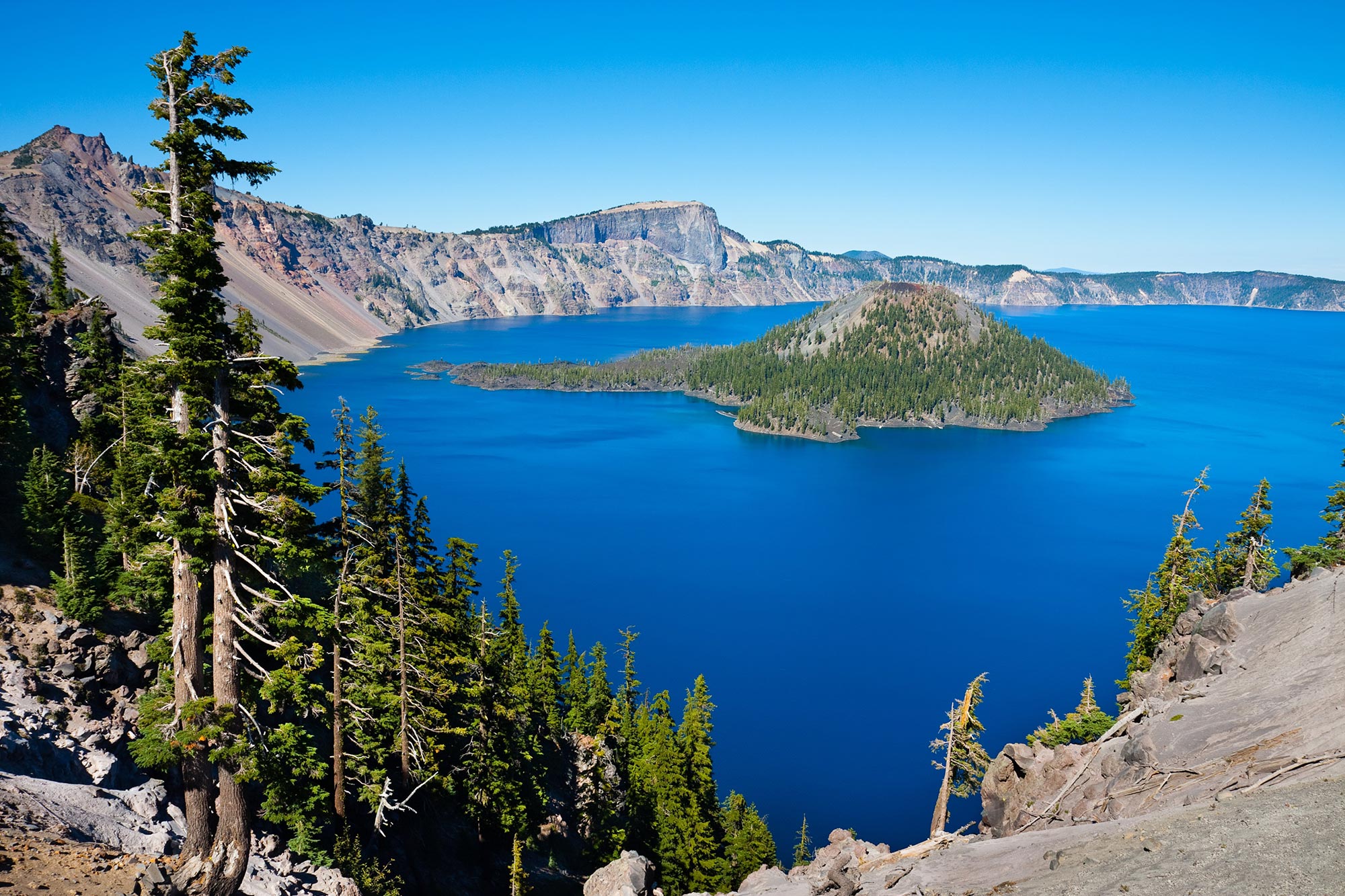
Cleaner, more pure water backscatters light in the blue range, which makes it look blue. One famous example is Crater Lake in Oregon, which lies in a volcanic crater and is fed by rain and snow, without any streams to carry sediment into it.
Deep waters like Crater Lake look dark blue, but shallow waters that are very clear, such as those around many Caribbean islands, can appear light blue or turquoise. This happens because light reflects off the white, sandy bottom.
When water contains a lot of plant material, chlorophyll – a pigment plants make in their leaves – will absorb blue light and backscatter green light. This often happens in water bodies that receive a lot of runoff from highly developed areas, such as Lake Okeechobee in Florida. The runoff contains fertilizer from farms and lawns, which is made of nutrients that cause plant growth in the water.
Finally, some water contains a lot of material called color-dissolved organic matter – often from decomposing organisms and plants, and also human or animal waste. This can happen in forested areas with lots of animal life, or in heavily populated areas that release wastewater into streams and rivers. This material mostly absorbs radiation and backscatters very little light across the spectrum, so it makes the water look very dark.
Monitoring and Managing Water Quality
Scientists expect water in nature to contain sediments, chlorophyll, and organic matter. These substances help to sustain all living organisms in the water, from tiny microbes to fish that we eat. But too much of a good thing can become a problem.
For example, when water contains a lot of nutrients and heats up on bright sunny days, plant growth in the water can get out of control. Sometimes it causes harmful algal blooms, plumes of toxic algae that can make people very sick if they swim in the water or eat fish that came from it.
When water bodies become so polluted that they threaten fish and plants, or humans who drink the water, state and federal laws require governments to clean them up. The color of the water can help guide these efforts.
Engineering professor Courtney Di Vittorio and her students collect water samples from High Rock Lake in North Carolina to assess its water quality.
Leveraging Technology for Water Safety
My students and I collect water samples at High Rock Lake, a popular spot for swimming, boating, and fishing in central North Carolina. Because of high chlorophyll levels, algal blooms are occurring there more often. Residents and visitors are worried that these blooms will become harmful.
Using satellite photos of the lake and our sampling data, we can produce water quality maps. State officials use the maps to track chlorophyll levels and see how they change in space and time. This information can help them warn the public when there are algal blooms and develop new rules to make the water cleaner.
Written by Courtney Di Vittorio, Assistant Professor of Engineering, Wake Forest University.
Adapted from an article originally published in The Conversation.
Never miss a breakthrough: Join the SciTechDaily newsletter.
Follow us on Google and Google News.