
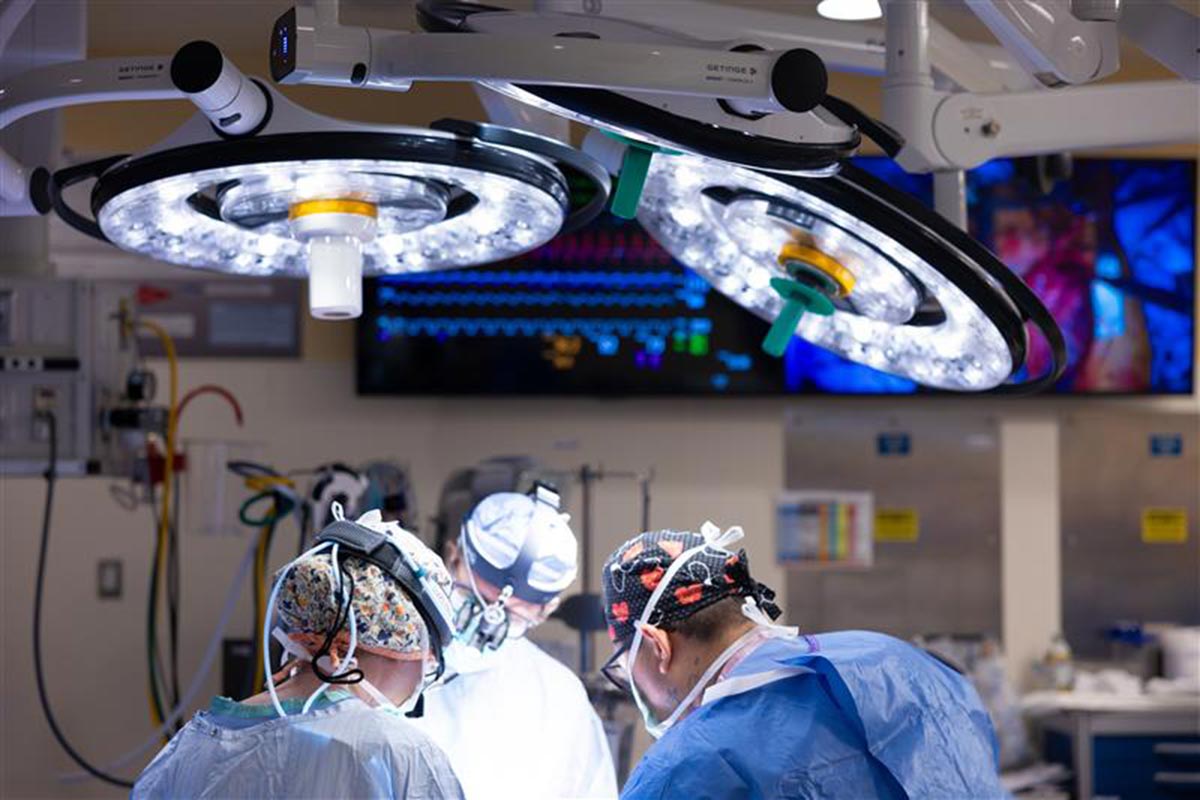
A rare dual heart and liver transplant gave an 11-year-old girl a new chance at life.
Children’s Hospital Colorado (Children’s Colorado) has carried out its first combined heart and liver transplant, marking a major milestone for the hospital. The highly complex procedure required coordination among dozens of specialists representing 25 multidisciplinary teams. Across the United States, only 38 pediatric patients have previously undergone both a heart and liver transplant.
“Performing Children’s Colorado’s first-ever heart and liver dual organ transplant is an amazing accomplishment for our Pediatric Transplant Program,” said Dr. Megan Adams, surgical director of the Pediatric Liver Transplant and Kidney Transplant Programs. “Thanks to years of dedication and a team committed to being the trusted leaders in pediatric transplant across our seven-state region, we’re grateful to provide this level of care to even more kids who need complex organ transplants to treat life-threatening illnesses and help them live healthy and happy lives.”
Years of Planning for Complex Organ Transplants
Hospital leaders and clinical teams had anticipated the need for a dual heart and liver transplant long before this case. Through ongoing collaboration across specialties – including surgery, cardiology, hepatology, and others – and with strong institutional support, the hospital built the expertise required to perform such an intricate operation. That preparation proved critical when 11-year-old Gracie Greenlaw required advanced care.
Gracie was born with hypoplastic left heart syndrome (HLHS), a condition in which only one chamber of the heart effectively pumps blood to the body. Before she turned three, she underwent three major operations – the Norwood, the Glenn, and the Fontan – to help her circulation function. Although many children with HLHS now survive into adulthood, the condition and its treatments can place long-term strain on other organs. Over time, this can lead to liver dysfunction and even liver failure.
Addressing Long-Term Complications of HLHS
To better manage these lasting effects, Children’s Colorado launched the Fontan Multidisciplinary Clinic in 2016 as part of its Single Ventricle Program. The clinic focuses on patients with HLHS and other single ventricle conditions, including tricuspid atresia and unbalanced common atrioventricular canal, providing coordinated care that considers the whole patient.
With guidance from specialists such as cardiologist Dr. Kathleen Simpson and hepatologist Dr. Dania Brigham, Gracie received closely integrated treatment for both her heart and liver. Her doctors monitored her condition carefully until they concluded that a dual transplant would offer the best long-term outlook.
“The Fontan is a lifesaving surgery, but the longer someone lives after the procedure, there is an increased chance of developing comorbidities,” Simpson said. “Our care team worked to keep her healthy and living a typical day-to-day life as long as possible before we determined a dual organ transplant would give her the best long-term quality of life.”
Declining Health Leads to Transplant Decision
For several years, Gracie also coped with plastic bronchitis – a condition that causes thick, protein-like deposits in her airways. Over the past year, her symptoms became more severe, and her liver function began to deteriorate. Her medical team determined that a combined transplant was necessary, and she was added to the dual organ transplant waiting list in April.
In preparation, a large team of experts met frequently to map out every detail of the operation. Performing two transplants in one setting presents unique surgical challenges, including managing differences in blood volume and electrolyte balance. Careful planning was essential to reduce risks during the procedure.
A 16-Hour Dual Organ Surgery
Less than a month after she was listed, compatible donor organs became available through the generosity of another family who chose organ donation. Because a donor heart can only remain viable for a limited time, surgeons performed the heart transplant first. Dr. Matthew Stone, surgical director of the Pediatric Heart Transplant Program, and congenital heart surgeon Dr. Emily Downs led the nine-hour heart operation.
At the same time, the donor liver was preserved using a TransMedics Organ Care System – a specialized pump that mimics the body’s normal liver function – allowing it to remain viable while the heart surgery was completed. Afterward, Dr. Adams and transplant surgeon Dr. Kendra Conzen performed the liver transplant, which required an additional seven hours. Close collaboration with the anesthesiology team was vital to maintaining Gracie’s stability throughout the lengthy surgery.
Recovery and Long-Term Outlook
The transplant was successful. Just over a month later, Gracie was discharged from the cardiac progress care unit. Seven months after surgery, she continues to attend monthly follow-up visits, but she has returned to school and is spending time at home with her dogs.
As with all pediatric heart transplant recipients, she will eventually require another heart transplant. However, her transplanted liver is expected to last for the rest of her life.
“This procedure showcases the expertise, talent, and level of care Children’s Colorado provides to our patients, including those with complex medical needs,” said Dr. Duncan Wilcox, Surgeon in Chief. “As the top-ranked pediatric hospital in Colorado and the Rocky Mountain region, we are proud of our leading-edge transplant care and look forward to supporting more patients who need dual organ transplants in the future.”
Never miss a breakthrough: Join the SciTechDaily newsletter.
Follow us on Google and Google News.