

Once mistaken for a fuzzy star cluster, the stunning Squid Galaxy—formally known as Messier 77—has transformed in the eyes of astronomers over the centuries.
Originally discovered in the 1700s by comet hunters, this bright spiral galaxy eluded proper classification until scientists realized it was far beyond the Milky Way. Now, thanks to the Hubble Space Telescope’s latest imaging and advancements in processing, we’re getting a fresh, tentacle-filled look at this aquatic-themed cosmic wonder.
A Cosmic Squid in the Whale
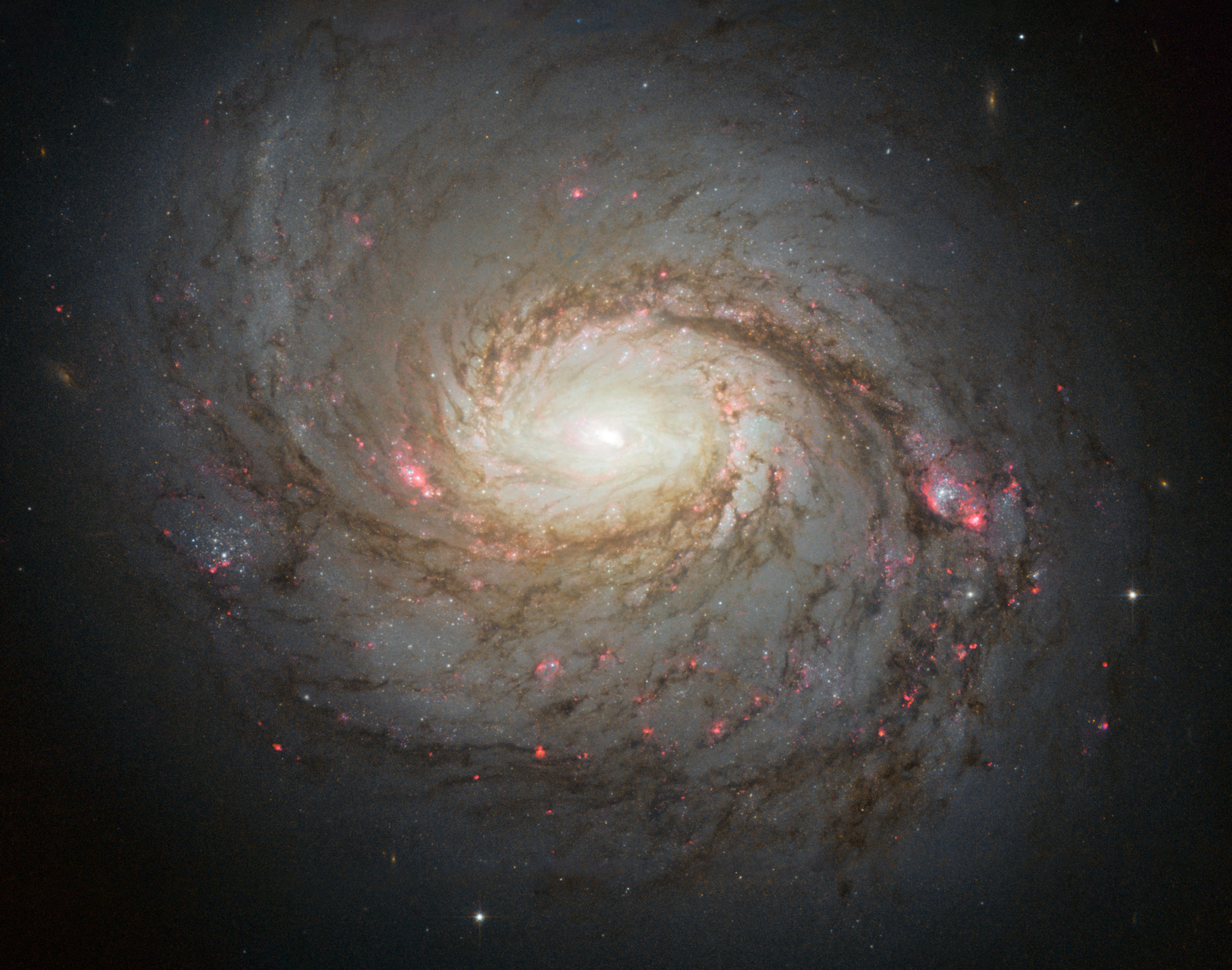
This week’s featured Hubble Space Telescope image highlights the spiral galaxy Messier 77, also known as the Squid Galaxy. Located about 45 million light-years away in the constellation Cetus (Latin for The Whale), it stands out for its dramatic, tentacle-like structure.
The name Messier 77 comes from its listing in the famous catalog compiled by French astronomer Charles Messier, though it was actually discovered in 1780 by his fellow astronomer Pierre Méchain. Both were searching for comets and compiled lists of fuzzy, cloud-like objects that might be confused with them.
A Mistaken Identity in the Sky
At the time, astronomers like Messier and Méchain believed the Squid Galaxy was a spiral-shaped nebula or a compact star cluster. That confusion made sense, as early telescopes showed only a bright core surrounded by a hazy glow, resembling a star wrapped in a nebula. It took over a century before scientists realized these so-called “spiral nebulae” were not part of the Milky Way at all, but distant galaxies in their own right, millions of light-years away.
A Galaxy Gets Tentacles — And a New Name
The name ‘Squid Galaxy’ only came about recently. This name comes from the extended, filamentary structure that curls around the galaxy’s disc like the tentacles of a squid. The Squid Galaxy is a great example of how advances in technology and scientific understanding can completely change our perception of an astronomical object — and even what we call it!
A Hubble image of the Squid Galaxy was previously released in 2013 (see image above). This new version incorporates recent observations made with different filters and updated image processing techniques.
Never miss a breakthrough: Join the SciTechDaily newsletter.
Follow us on Google and Google News.