

High-heat pasteurization of smoothies increases the availability of polyphenols and enhances their transformation by gut microbes into beneficial compounds.
Smoothies are a popular way to enjoy fruits and vegetables, which are rich in micronutrients known as polyphenols. When sold in stores, these beverages are often pasteurized using heat or pressure to kill harmful bacteria and extend shelf life.
Now, a preliminary study published in ACS’ Journal of Agricultural and Food Chemistry suggests that using high heat to process smoothies may also help the gut microbiome absorb polyphenols more effectively.
Investigating pasteurization’s impact
Fruits and vegetables are an important part of a healthy diet, in part because they contain polyphenols—compounds that may help protect against heart disease and neurodegenerative disorders. These beneficial molecules are released during digestion and can be absorbed by the gut microbiome.
Previous studies have shown that processing methods like canning or boiling certain vegetables, such as peppers and artichokes, can increase the amount of polyphenols metabolized by gut microbes, potentially boosting their health effects.
However, scientists still know little about how other processing techniques, such as pasteurization, affect this process. To explore this, Iziar Ludwig and colleagues studied how pasteurization influences polyphenol digestion by the gut microbiome.
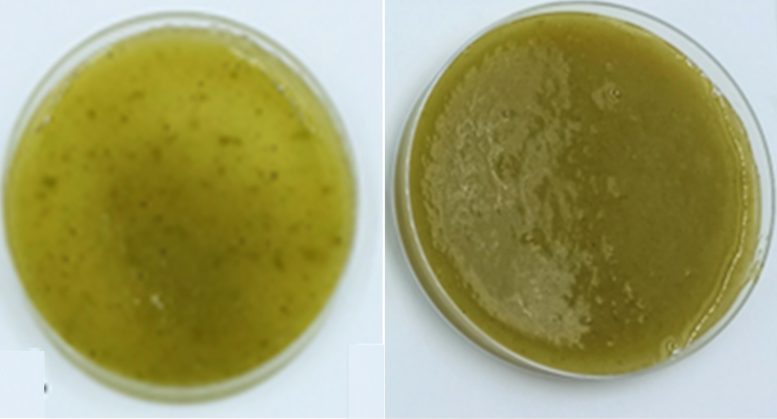
The team first prepared a smoothie using Granny Smith apples, green celery, green chicory, peppermint, and lemon. They divided the smoothie into three samples: one untreated, one processed with high pressure, and one with high heat. Each sample then went through solutions simulating the three stages of digestion—oral, gastric, and intestinal.
After digestion, the pasteurized samples showed higher levels of polyphenols available for absorption: 21% for pressure-pasteurized and 44% for heat-pasteurized smoothies, compared to 17% in the untreated version. The researchers believe these increases are due to changes in the plants’ cell walls caused by pasteurization, which may help release more polyphenols into the body.
Gut microbiome fermentation and health effects
Finally, to analyze gut microbiome transformations of polyphenols, the digested samples went through a laboratory version of colonic fermentation in vials containing human feces as the microbiota source. The gut microbiota converted most polyphenols into smaller derivatives, such as phenylpropanoic acids. Some of these derivatives have previously demonstrated antidiabetic, anti-inflammatory and chemopreventive effects. The researchers determined that the largest microbiota conversions happened in the high-temperature, post-digestion smoothie sample because it started fermentation with higher overall polyphenol levels. They say this work emphasizes how smoothie processing could lead to new beverage products with enhanced bioaccessibility.
Reference: “High-Pressure and Thermal Pasteurization Applied to Smoothies Enhances (Poly)Phenol Bioaccessibility along the Gastrointestinal Tract” by Cristina Matías, Gema Pereira-Caro, María-José Sáiz-Abajo, Concepción Cid, Iziar A. Ludwig and María-Paz De Peña, 11 June 2025, Journal of Agricultural and Food Chemistry.
DOI: 10.1021/acs.jafc.4c09166
The authors acknowledge funding from the Government of Navarre.
Never miss a breakthrough: Join the SciTechDaily newsletter.
Follow us on Google and Google News.