
A supervolcano that once shook the Earth is quietly recharging—and scientists are finally seeing how it happens.
Scientists have found that the magma reservoir linked to the largest volcanic eruption of the Holocene is filling again. The discovery, led by Kobe University researchers studying Japan’s Kikai caldera, offers new insight into how massive caldera systems such as Yellowstone and Toba behave and may improve our ability to anticipate future activity.
What Makes Supervolcanoes So Powerful
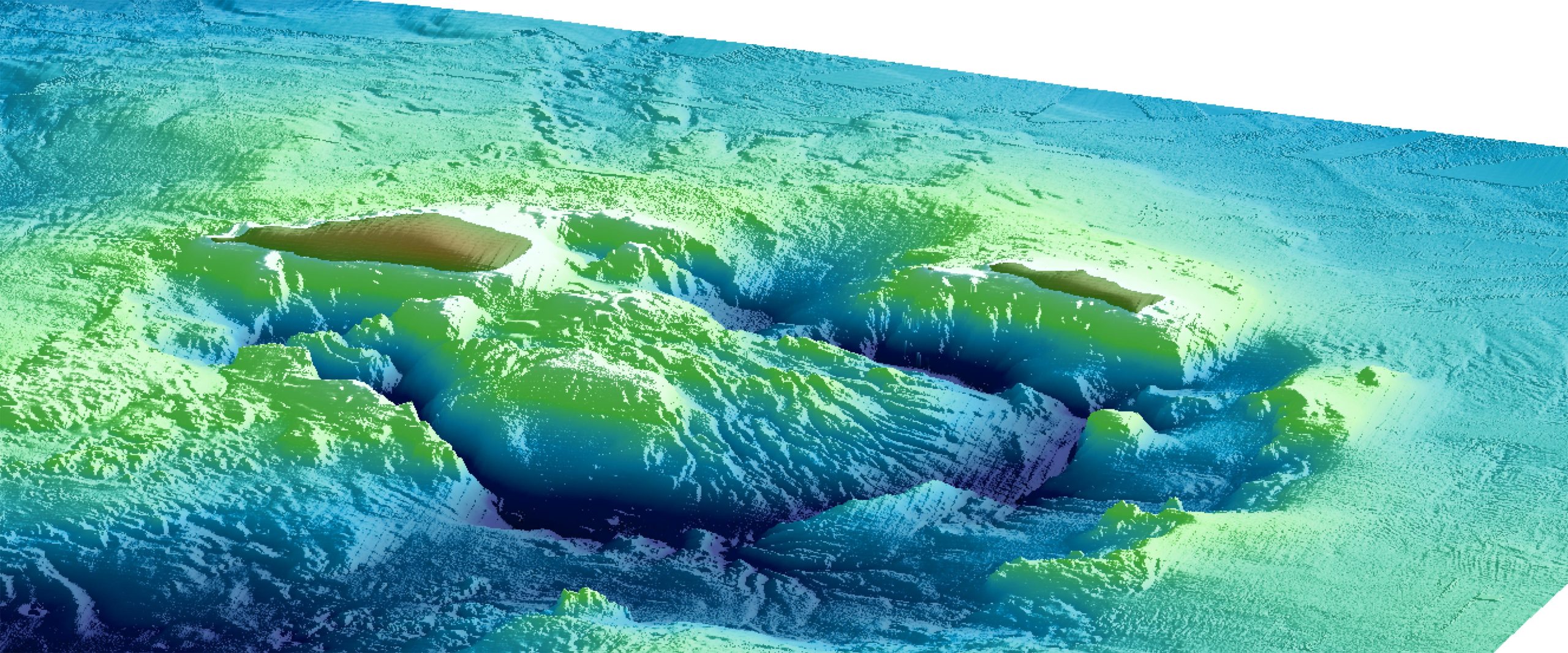
Some volcanoes erupt with extraordinary force, releasing so much magma that it could bury Central Park under 12 kilometers of material. After such events, what remains is a broad, relatively shallow crater known as a caldera. Well-known examples include Yellowstone in the United States, Toba in Indonesia, and the largely submerged Kikai caldera in Japan.
Kikai last erupted 7,300 years ago in the most powerful eruption of the current geological epoch, the Holocene. Although scientists know these systems can erupt again, the processes that lead up to such events are still poorly understood. “We must understand how such large quantities of magma can accumulate to understand how giant caldera eruptions occur,” says Kobe University geophysicist Nobukazu Seama.
Underwater Surveys Reveal Hidden Magma
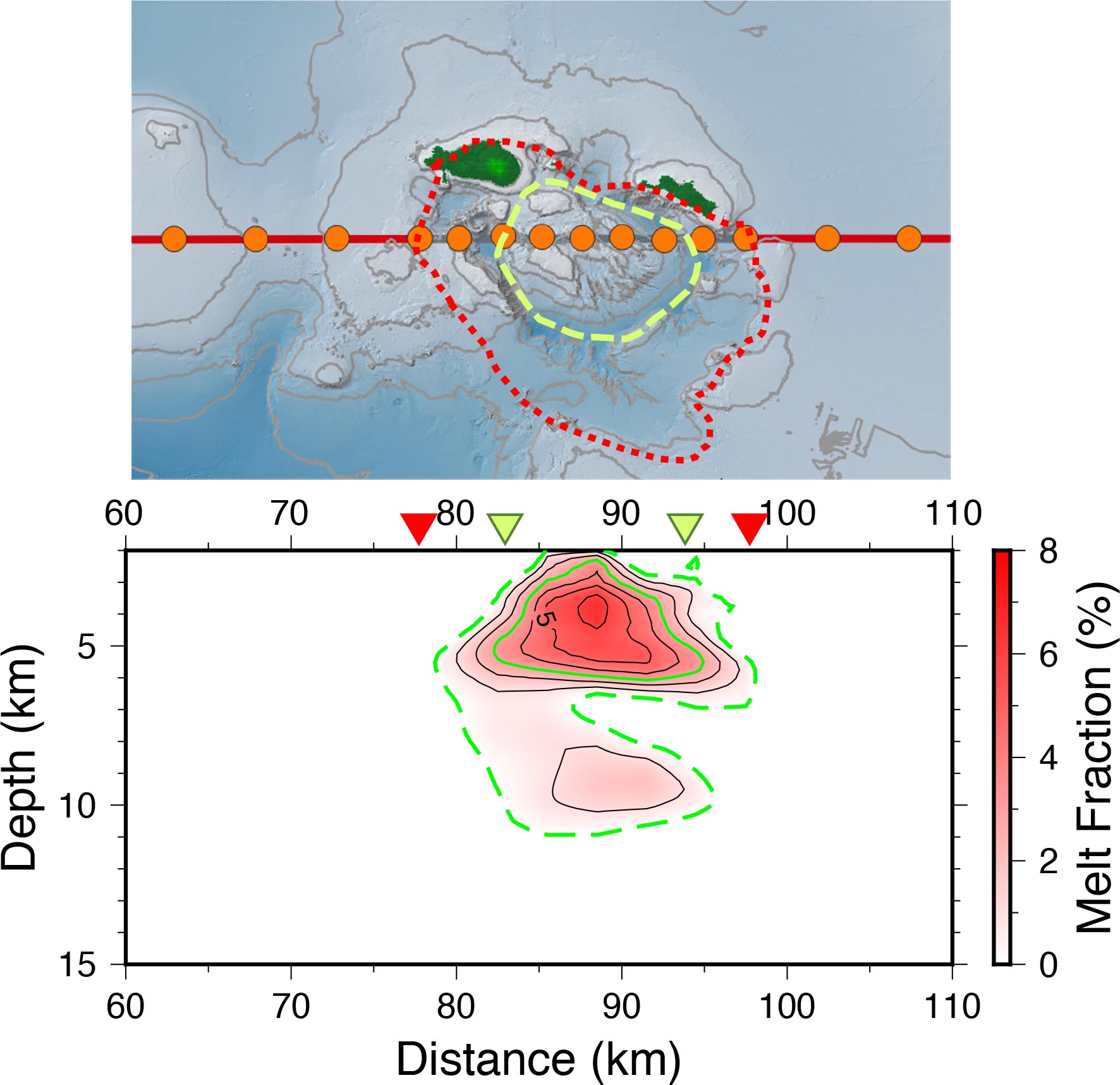
Kikai’s location beneath the ocean actually makes it easier to study. Seama explains, “The underwater location allows us to implement systematic, large-scale surveys.” Working with the Japan Agency for Marine-Earth Science and Technology (JAMSTEC), the team used airgun arrays to generate controlled seismic waves and ocean bottom seismometers to track how those waves travel through the crust. This approach allowed them to map what lies beneath the caldera in detail.
Evidence of a Large Magma Reservoir
The findings, published today (March 27) in Communications Earth & Environment, confirm the presence of a substantial magma-rich region beneath the site of the ancient eruption. The researchers were also able to determine its size and shape. Seama says, “Due to its extent and location it is clear that this is in fact the same magma reservoir as in the previous eruption.”
Fresh Magma Injection Drives Refill
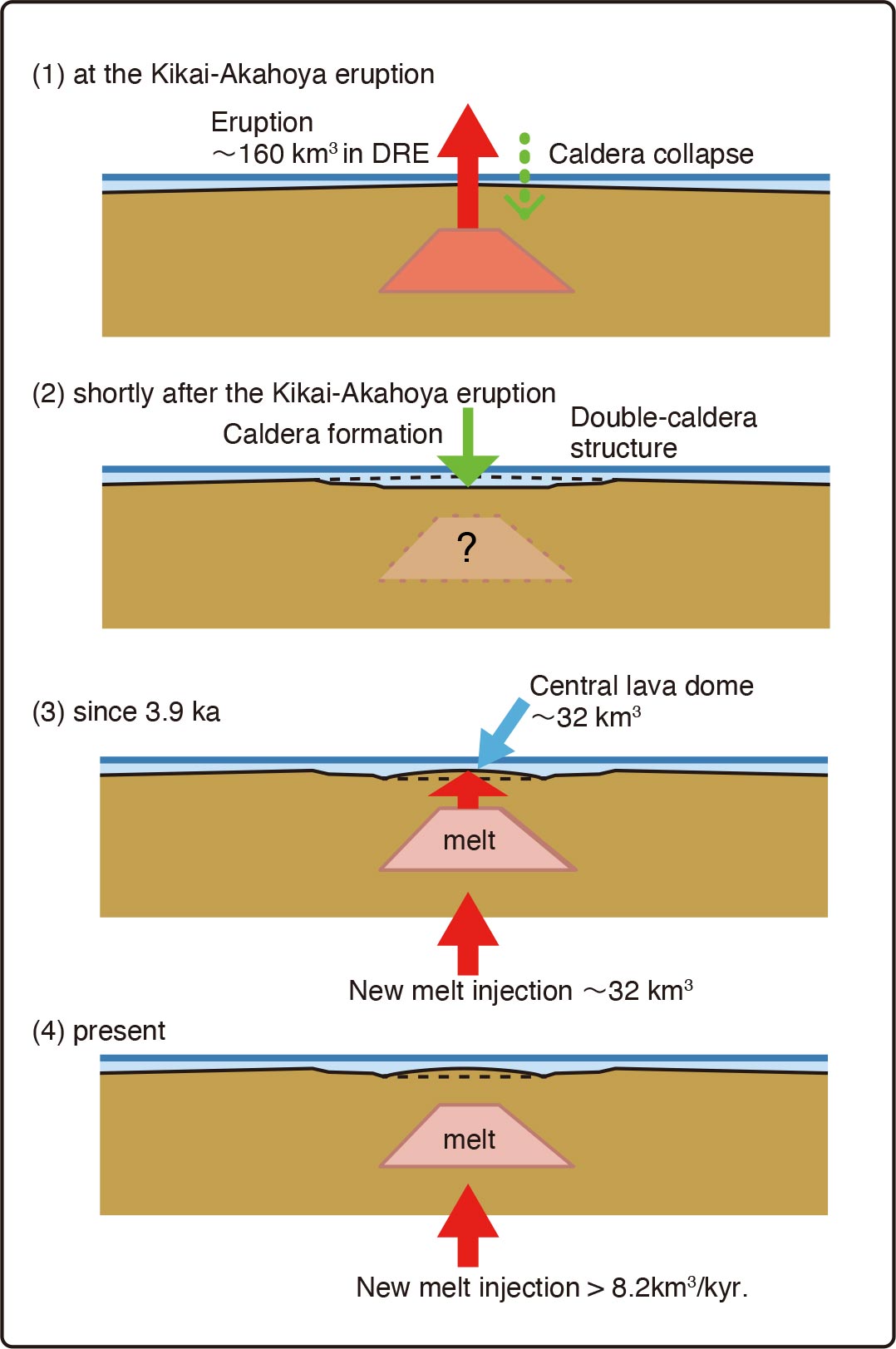
However, the magma currently present does not appear to be leftover material from the past eruption. Scientists had already observed that a new lava dome has been forming at the center of the caldera over the last 3,900 years. Chemical analysis shows that this newer material differs from what was released during the earlier event. “This means that the magma that is now present in the magma reservoir under the lava dome is likely newly injected magma,” summarizes Seama. These findings support a broader model describing how magma reservoirs beneath caldera volcanoes refill over time.
Implications for Yellowstone and Future Eruptions
The proposed magma re-injection model aligns with evidence of large, shallow magma systems beneath other major calderas, including Yellowstone and Toba. Seama notes that this work may help scientists better understand how magma supply cycles evolve after massive eruptions. He adds, “We want to refine the methods that have proved to be so useful in this study to more deeply understand the re-injection processes. Our ultimate goal is to become better able to monitor the crucial indicators of future giant eruptions.”
Reference: “Melt re-injection into large magma reservoir after giant caldera eruption at Kikai Caldera Volcano” by Akihiro Nagaya, Nobukazu Seama, Gou Fujie, Satoru Tanaka, Hiroko Sugioka and Shuichi Kodaira, 27 March 2026, Communications Earth & Environment.
DOI: 10.1038/s43247-026-03347-9
This research was funded by the Ministry of Education, Culture, Sports, Science and Technology (MEXT) (The Third Earthquake and Volcano Hazards Observation and Research Program (Earthquake and Volcano Hazard Reduction Research)) and the Japan Society for the Promotion of Science (grant 20H00199). It was conducted in collaboration with researchers from the Japan Agency for Marine-Earth Science and Technology (JAMSTEC).
Never miss a breakthrough: Join the SciTechDaily newsletter.
Follow us on Google and Google News.
2 Comments
Polar reversal is in motion! What was asleep must wake and soften for a reversal, plates and fault lines will change and land will again one day touch ! The Floor of the ocean should be completely scanned for there is massive activity !! Uncharted volcanoes under water could be tied To Dolphins and whales who run from sea !!! Land keeps moving from 2 to 6 meters ‼️ this Reversal could take thousands of years But it started along time ago with North being off ‼️‼️‼️ Tonga should be watched and tracked as a plate trigger??? And faults moving magma ??? Watch the tear in the ocean floor ‼️‼️‼️😳
Ref Science documenting standard. Why is the font below diagrams and photos smaller that standard font. Not very ergonomic or user friendly?