
Close Menu
    Facebook X (Twitter) Instagram
    SciTechDaily
    • Biology
    • Chemistry
    • Earth
    • Health
    • Physics
    • Science
    • Space
    • Technology
    Facebook X (Twitter) Pinterest YouTube RSS
    SciTechDaily
    Home»Earth»Torrential Downpours and Destructive Flash Floods Swamp Hawaii
    Earth

    Torrential Downpours and Destructive Flash Floods Swamp Hawaii

    By Adam Voiland, NASA Earth ObservatoryMarch 13, 20212 Comments2 Mins Read
    Facebook Twitter Pinterest Telegram LinkedIn WhatsApp Email Reddit
    Share
    Facebook Twitter LinkedIn Pinterest Telegram Email Reddit
    Hawaii Rainfall March 2021 Annotated
    March 5 – 12, 2021

    Flash floods, landslides, and power outages plagued the islands after torrential rains fell.

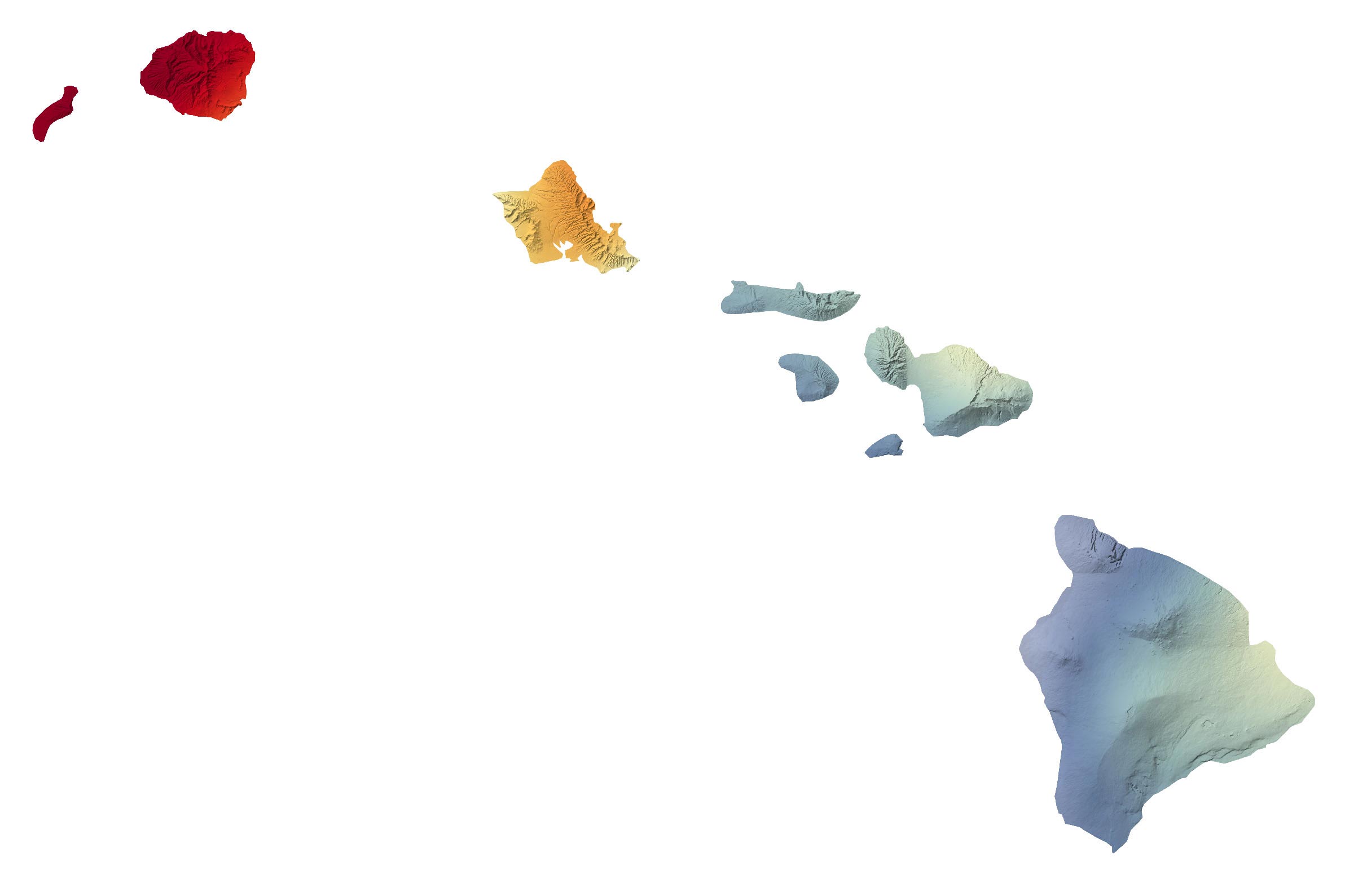
    Torrential downpours and destructive flash floods swamped parts of Hawaii in March 2021. A strong low-pressure system fed by abundant moisture from the tropics fueled slow-moving storms that dropped inches of rain per hour in certain areas.

    Hard hit areas included the northeastern side of Kauai, the windward slopes of the Ko‘olau Range on the island of O’ahu, the windward slopes of Haleakalā volcano on the island of Maui, and the southeast side of the Big Island of Hawai’i, according to National Weather Service meteorologists.

    This map shows the rainfall accumulation across the region from March 5 to 12, 2021. The data are remotely-sensed estimates that come from the Integrated Multi-Satellite Retrievals for GPM (IMERG), a product of the Global Precipitation Measurement (GPM) mission. The darkest oranges and reds indicate places where GPM detected rainfall totals exceeding 4 inches (10 centimeters) during this period. Due to averaging of the satellite data, local rainfall amounts may be significantly higher when measured from the ground. The National Weather Service reported rainfall totals in several towns that topped 10 inches (25 centimeters) over a 72-hour period.

    Dozens of homes have been damaged or destroyed and many roads have been closed due to floods and landslides. Some areas faced widespread power outages. According to news reports, flooding was particularly severe in Haleiwa, a community in Honolulu. In Maui, thousands of people were forced to evacuate after water filled the Kaupakalua dam and reservoir, prompting fears that the dam could fail. On March 9, the governor declared a state of emergency.

    While the most intense rains had subsided by March 11, forecasters are continuing to monitor unsettled weather and the possibility of more flash floods in the coming days.

    NASA Earth Observatory image by Joshua Stevens, using IMERG data from the Global Precipitation Mission (GPM) at NASA/GSFC, and topographic data from the Shuttle Radar Topography Mission (SRTM).

    Never miss a breakthrough: Join the SciTechDaily newsletter.
    Follow us on Google and Google News.

    NASA NASA Earth Observatory Weather
    Share. Facebook Twitter Pinterest LinkedIn Email Reddit

    Related Articles

    Brace for an Active 2020 Hurricane Season

    Incredible Rare Peek at Patagonia in Winter

    “Godzilla” Dust Cloud Described As “Amazing” by NASA Astronaut Aboard Space Station

    Satellite Maps Shows Signs of Drought in European Groundwater

    Meteorologists Shocked as Heat and Fire Scorches Siberia

    Unusual “Volcano Track” Clouds Investigated

    After Two Years of Drought Ends, Southeastern Australia Turns Green

    “Wedge Failure” Landslide in Alaska

    Muddy Flooding After Catastrophic Dam Failures in Michigan Seen From Space

    2 Comments

    1. The 10th Man on March 13, 2021 6:16 am

      It is only destructive if corrupt zoning officials let people build in places that flood. Human greed wins every time.

      Reply
    2. bingo on March 18, 2021 9:19 am

      I remember living on the Big Island and a storm (was it a hurricane?) came through and it rained something like 60 inches (50? 70? I forget now) in a weekend in Waiākea Uka (upside of Hilo). More rain than the Pacific Northwest coast (USA) gets in a year. Downtown Hilo at the bayfront was under several feet of water (near the tops of cars), as the river and canals were overflowing their banks, even with the ocean 1000 feet away.

      Reply
    Leave A Reply Cancel Reply

    • Facebook
    • Twitter
    • Pinterest
    • YouTube

    Don't Miss a Discovery

    Subscribe for the Latest in Science & Tech!

    Trending News

    Your Blood Pressure Reading Could Be Wrong Because of One Simple Mistake

    Astronomers Stunned by Ancient Galaxy With No Spin

    Physicists May Be on the Verge of Discovering “New Physics” at CERN

    Scientists Solve 320-Million-Year Mystery of Reptile Skin Armor

    Scientists Say This Daily Walking Habit May Be the Secret to Keeping Weight Off After Dieting

    New Therapy Rewires the Brain To Restore Joy in Depression Patients

    Giant Squid Detected off Western Australia in Stunning Deep-Sea Discovery

    Popular Sugar-Free Sweetener Linked to Liver Disease, Study Warns

    Follow SciTechDaily
    • Facebook
    • Twitter
    • YouTube
    • Pinterest
    • Newsletter
    • RSS
    SciTech News
    • Biology News
    • Chemistry News
    • Earth News
    • Health News
    • Physics News
    • Science News
    • Space News
    • Technology News
    Recent Posts
    • The Hidden Types of Dementia Most People Have Never Heard Of
    • Scientists Discover Why Alcohol Prevents the Liver From Healing, Even After You Quit
    • Scientists Solve a 60-Year-Old Fat Cell Mystery — and It Changes What We Know About Obesity
    • A Crucial Atlantic Current Is Weakening and Weather Could Change Worldwide
    • Scientists Stunned As Volcano Removes Methane From the Air
    Copyright © 1998 - 2026 SciTechDaily. All Rights Reserved.
    • Science News
    • About
    • Contact
    • Editorial Board
    • Privacy Policy
    • Terms of Use

    Type above and press Enter to search. Press Esc to cancel.