

However, the research which was published in PLoS Medicine found that noise levels in the house had no effect on the results of working memory and attention tests.
Road traffic noise is a common issue in cities, but its effects on children’s health are still not fully known. According to recent research done at 38 schools in Barcelona, road noise has a negative impact on how well working memory and attention are developed in young children. The results of this investigation, which was conducted under the direction of the Barcelona Institute for Global Health (ISGlobal), a facility supported by the “la Caixa” Foundation, were released in the journal PLoS Medicine.
2,680 kids between the ages of 7 and 10 participated in the study, which was part of the BREATHE initiative and directed by researchers Maria Foraster and Jordi Sunyer. The researchers focused on attention and working memory, two skills that grow quickly throughout preadolescence and are crucial for learning and academic success, in order to gauge the potential effects of traffic noise on cognitive development.
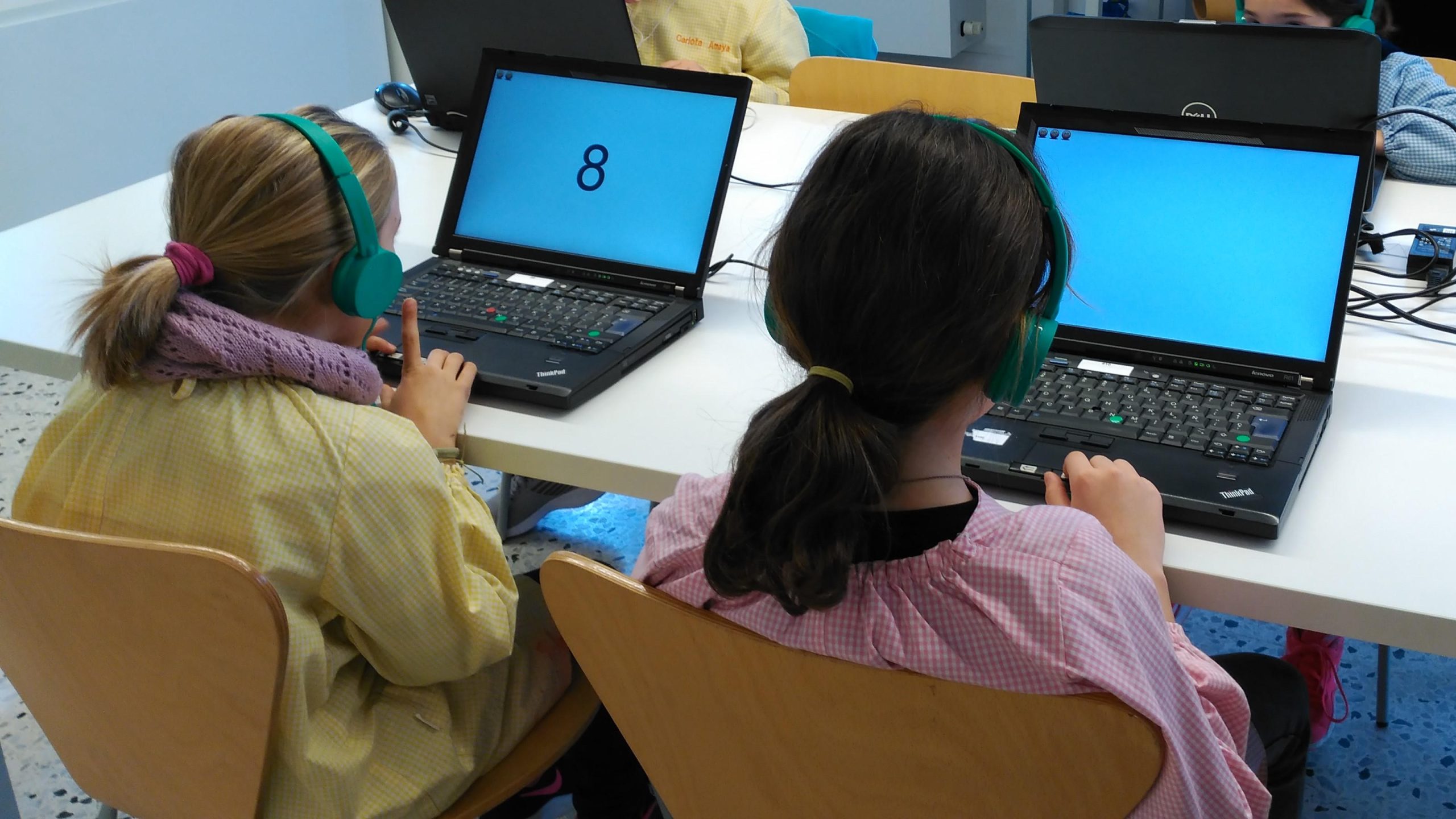
Processes involving attention include selectively attending to certain stimuli and maintaining long-term concentration on a single activity. The working memory system gives us the capacity to store and process information in our minds quickly. We employ what is referred to as complicated working memory when we need to efficiently and continually process information that has been stored in working memory.
Participants took the cognitive tests four times during the course of the study’s fieldwork, which lasted a full year in 2012 and 2013. These assessments had the dual objectives of evaluating working memory and attention as well as tracking their development over time. During the same time frame, noise levels were recorded outside the 38 participating schools, on the playgrounds, and in the classrooms.
The results of the year-long research period indicated that pupils who attended schools with greater traffic noise levels improved in working memory, complex working memory, and attention more slowly. For instance, when outdoor noise levels were increased by 5 dB, working memory growth was 11.4% slower than average and complex working memory development was 23.5% slower than average. The same was true for the development of attention capacity, which had a 4.8% slower growth than average after being exposed to an extra 5 dB of outside traffic noise.
Differences Between Inside and Outside the Classroom
In the analysis of outdoor noise at schools, higher average noise levels and greater fluctuation in noise levels were both associated with poorer student performance on all tests. Inside the classroom, greater fluctuation in noise levels was also associated with slower progress over the course of the year on all cognitive tests. However, children exposed to higher average classroom noise levels over the course of the year performed worse than students in quieter classrooms only on the attention test, but not on the working memory tests.
“This finding suggests that noise peaks inside the classroom may be more disruptive to neurodevelopment than average decibel level,” commented ISGlobal researcher Maria Foraster, lead author of the study. “This is important because it supports the hypothesis that noise characteristics may be more influential than average noise levels, despite the fact that current policies are based solely on average decibels.”
“Our study supports the hypothesis that childhood is a vulnerable period during which external stimuli such as noise can affect the rapid process of cognitive development that takes place before adolescence,” explained ISGlobal researcher Jordi Sunyer, the last author of the study.
Noise Exposure at Home
The researchers used the 2012 road traffic noise map of the city of Barcelona to estimate the average noise level at each participant’s home. In this case, however, no association was observed between residential noise and cognitive development.
“This could be because noise exposure at school is more detrimental as it affects vulnerable windows of concentration and learning processes,” commented Maria Forester. “On the other hand, although noise measurements were taken at the schools, noise levels at the children’s homes were estimated using a noise map that may be less accurate and, in any case, only reflected outdoor noise. This, too, may have influenced the results.”
The study adds to the body of evidence on the effects of transport on children’s cognitive development, which to date have been observed at schools exposed to aircraft noise as well as at schools exposed to traffic-related air pollution. The scientists underscored the need for further studies on road traffic noise in other populations to determine whether these initial findings can be extrapolated to other cities and settings.
Reference: “Exposure to road traffic noise and cognitive development in schoolchildren in Barcelona, Spain: A population-based cohort study” by Maria Foraster, Mikel Esnaola, Mónica López-Vicente, Ioar Rivas, Mar Álvarez-Pedrerol, Cecilia Persavento, Nuria Sebastian-Galles, Jesus Pujol, Payam Dadvand and Jordi Sunyer, 2 June 2022, PLoS Medicine.
DOI: 10.1371/journal.pmed.1004001
Never miss a breakthrough: Join the SciTechDaily newsletter.
Follow us on Google and Google News.