
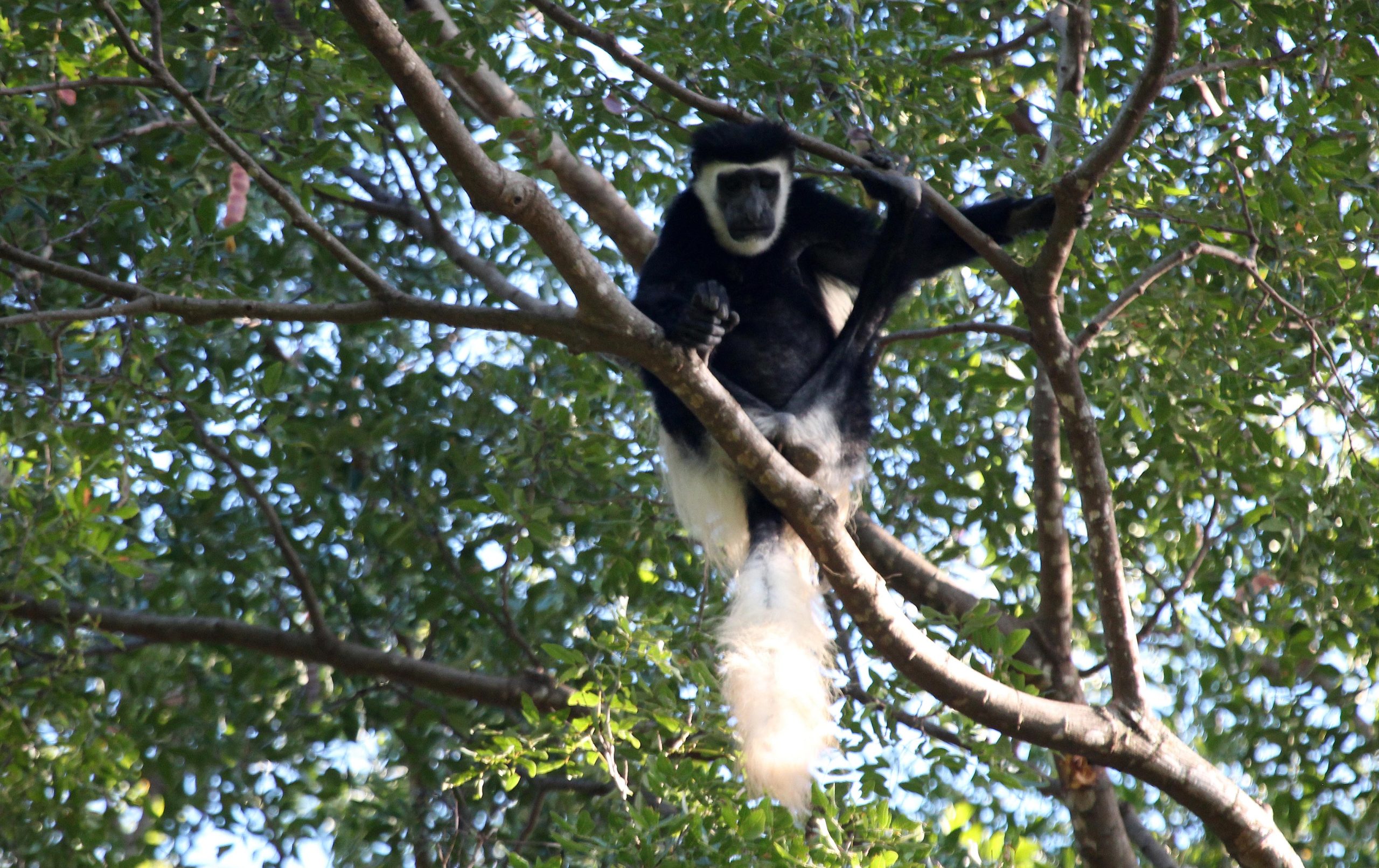
A recent study shows 66% of tropical Key Biodiversity Areas are encountering new temperature regimes, threatening native species with narrow climate tolerances.
This underscores the necessity for targeted conservation efforts to safeguard these vital ecosystems.
Climate Changes Impact Tropical Biodiversity Areas
Research conducted by Exeter, Manchester Metropolitan, and Cambridge universities has found that two-thirds of Key Biodiversity Areas (KBAs) in tropical forests are experiencing new temperature conditions due to climate change. KBAs are designated as the most crucial habitats for species conservation worldwide.
The study analyzed temperature data over the last 30 years from under the canopies of tropical forests across the globe. It discovered that 66% of these areas are now experiencing what scientists call new “temperature regimes,” where more than 40% of temperature readings exceed previously recorded ranges.
The other 34% of the KBAs have not yet encountered these new temperature regimes. Researchers believe these areas could be essential refuges that help maintain biodiversity. This research was published today (October 15) in the journal Conservation Letters in advance of the United Nations Biodiversity Conference (COP16) in Colombia, starting October 21.
The Risks of Narrow Temperature Ranges for Species
“Beneath the canopy of tropical forests, a wealth of biodiversity exists in a very stable climate,” said Dr. Brittany Trew, from the Environment and Sustainability Institute on Exeter’s Penryn Campus in Cornwall.
“As such, species there are at particularly high risk from new annual temperature regimes because they have evolved under a narrow range of conditions. They may only be able to tolerate a small margin of warming above what they’re used to.”
The Post-2020 Global Biodiversity Framework includes a draft target that at least 30% of land area globally is conserved by 2030 – and specifically identifies KBAs as a core priority for this.
Climate-Smart Policies and Biodiversity Conservation
Dr. Alexander Lees, Reader in Biodiversity at Manchester Metropolitan University, said: “The amount of political and economic capital dedicated to safeguarding biodiversity is woefully inadequate.
“Our findings show that the painful process of conservation triage – selecting new protected areas – must therefore consider the impact of ongoing climate changes on those sites in prioritization assessments.”
KBAs do not automatically receive formal protection – this is decided by national governments in the areas identified.
The paper highlights that – of the 34% of tropical forest KBAs not seeing new temperature regimes – more than half are not currently protected.
“We need ‘climate-smart’ policies that protect these vital refuges,” Dr. Trew said.
The researchers used temperature measurements, satellite data, and a microclimate model to assess near-ground hourly temperatures across the world’s tropical KBAs.
The proportion of KBAs in Africa and Latin America with new temperature regimes was particularly high (72% and 59%), while fewer KBAs across Asia and Oceania shifted to new temperatures (49%).
Some KBAs across Latin America (2.9%) – and a small number in Asia and Oceania (0.4%) – have recently transitioned to almost entirely new temperature regimes (more than 80% of temperature measurements outside the previous range.
In Latin America, these KBAs were all located in Ecuador, Colombia, Venezuela, or Panama, with the tropical Andes particularly affected.
Reference: “Identifying climate-smart tropical Key Biodiversity Areas for protection in response to widespread temperature novelty” by Brittany T. Trew, Alexander C. Lees, David P. Edwards, Regan Early and Ilya M. D. Maclean, 15 October 2024, Conservation Letters.
DOI: 10.1111/conl.13050
Never miss a breakthrough: Join the SciTechDaily newsletter.
Follow us on Google and Google News.