
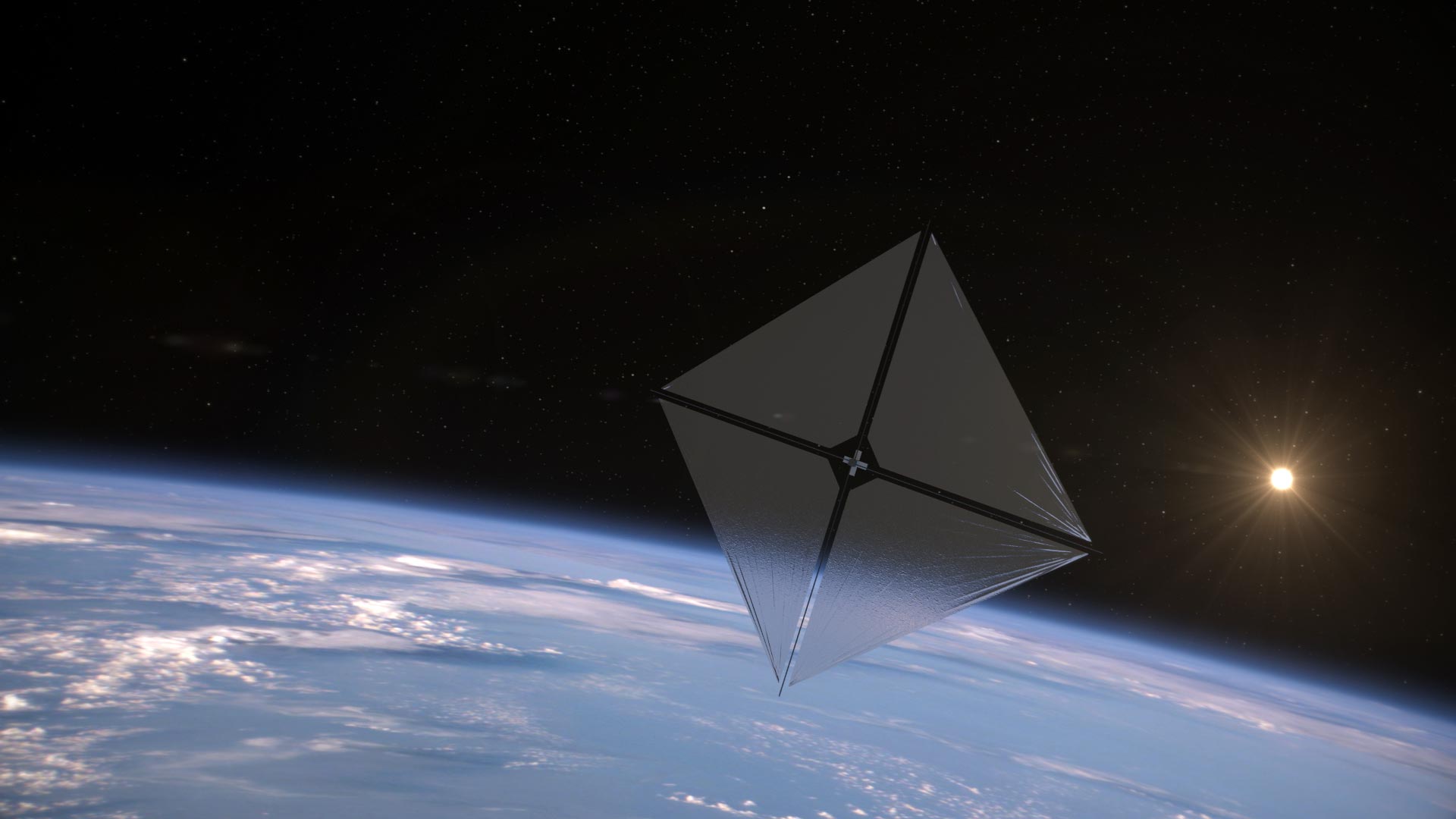
Update: NASA’s Advanced Composite Solar Sail System has achieved full deployment in space.
NASA’s recent deployment of the Advanced Composite Solar Sail System faced a hiccup as an onboard power monitor detected unexpectedly high motor currents, pausing the unfurling process.
This technology demonstration, aimed at testing a new, lighter, and stiffer material for spacecraft booms, holds promise for reducing the cost and expanding access to deep space missions.
Solar Sail Deployment Challenges
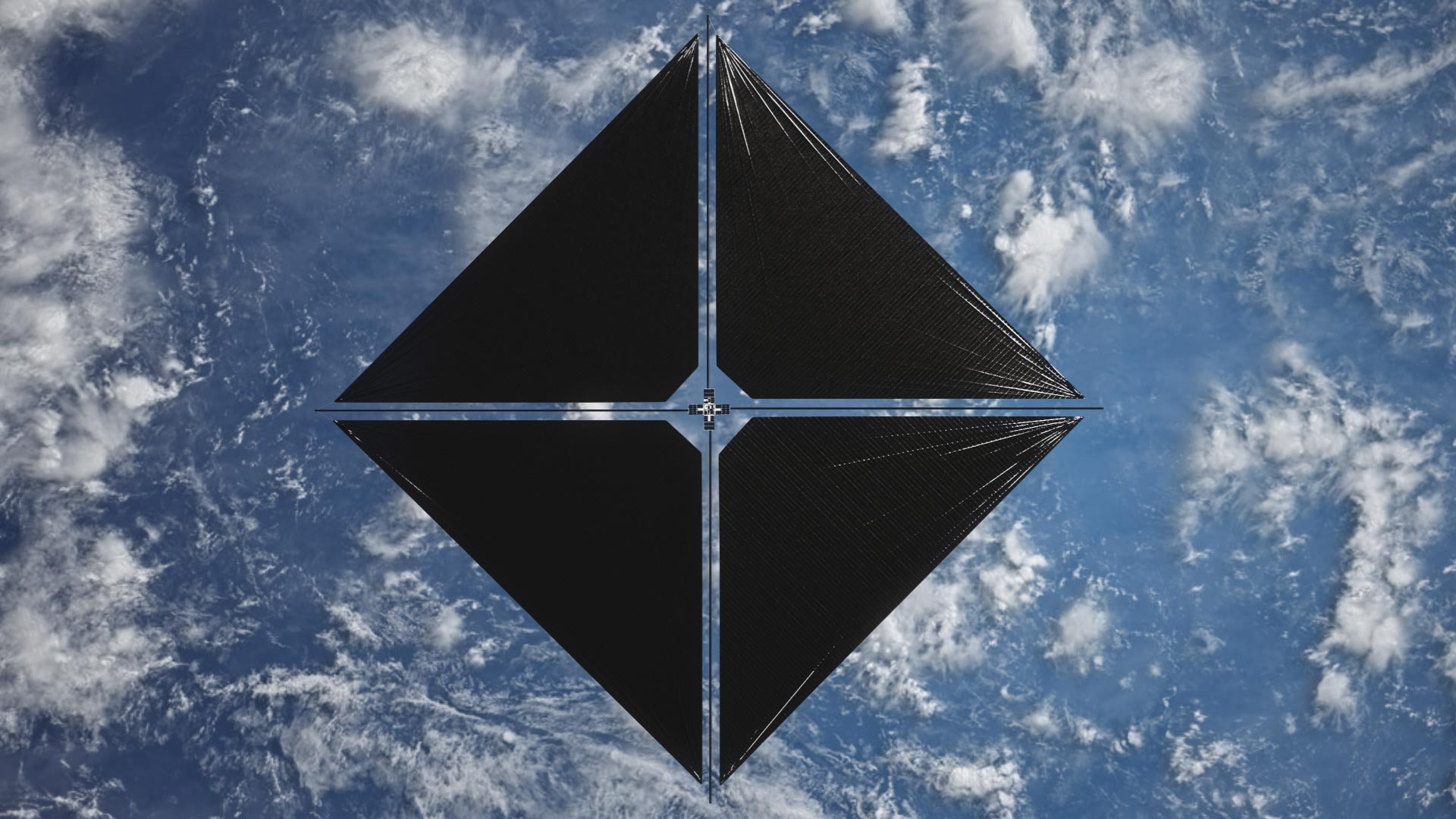
NASA’s Advanced Composite Solar Sail System has begun deployment operations. Upon an initial attempt to unfurl, the solar sail paused when an onboard power monitor detected higher-than-expected motor currents. Communications, power, and attitude control for the spacecraft all remain normal while mission managers work to understand and resolve the cause of the interruption by analyzing data from the spacecraft.
One of the primary objectives of this technology demonstration is to test the expanding boom system, which has never been deployed for a solar sail on a spacecraft of this size. The spacecraft’s booms, which are similar in function to a sailboat’s booms, are made of a new material that is stiffer and lighter than previous designs. This technology has the potential to lower the cost of deep space missions and increase access to space.
Data Analysis and Troubleshooting
Mission operators have been able to download data from the spacecraft during brief, planned communications windows when it passes in range of mission control at Santa Clara University in California. The team is conducting analysis and assessing all spacecraft systems before resuming deployment operations.
NASA’s Small Spacecraft Technology program maintains a philosophy of risk tolerance in its pursuit to rapidly mature space technologies that meet the needs of NASA and the nation.
NASA’s Advanced Composite Solar Sail System
NASA’s Advanced Composite Solar Sail System represents a collaborative effort across several NASA centers and private sector partners to pioneer solar sail technology. Managed by NASA Ames and funded through the agency’s Small Spacecraft Technology program, the project features deployable composite booms and a solar sail system designed and built by NASA Langley. The technology for the booms was developed by NASA’s Space Technology Mission Directorate’s Game Changing Development program. The mission’s launch services were provided by Rocket Lab USA, Inc, while NanoAvionics delivered the spacecraft bus.
Never miss a breakthrough: Join the SciTechDaily newsletter.
Follow us on Google and Google News.