
Close Menu
    Facebook X (Twitter) Instagram
    SciTechDaily
    • Biology
    • Chemistry
    • Earth
    • Health
    • Physics
    • Science
    • Space
    • Technology
    Facebook X (Twitter) Pinterest YouTube RSS
    SciTechDaily
    Home»Health»Uncovering Genetic Traces to Discover How Humans Adapted to Historical Coronavirus Outbreaks
    Health

    Uncovering Genetic Traces to Discover How Humans Adapted to Historical Coronavirus Outbreaks

    By University of AdelaideJune 28, 2021No Comments3 Mins Read
    Facebook Twitter Pinterest Telegram LinkedIn WhatsApp Email Reddit
    Share
    Facebook Twitter LinkedIn Pinterest Telegram Email Reddit
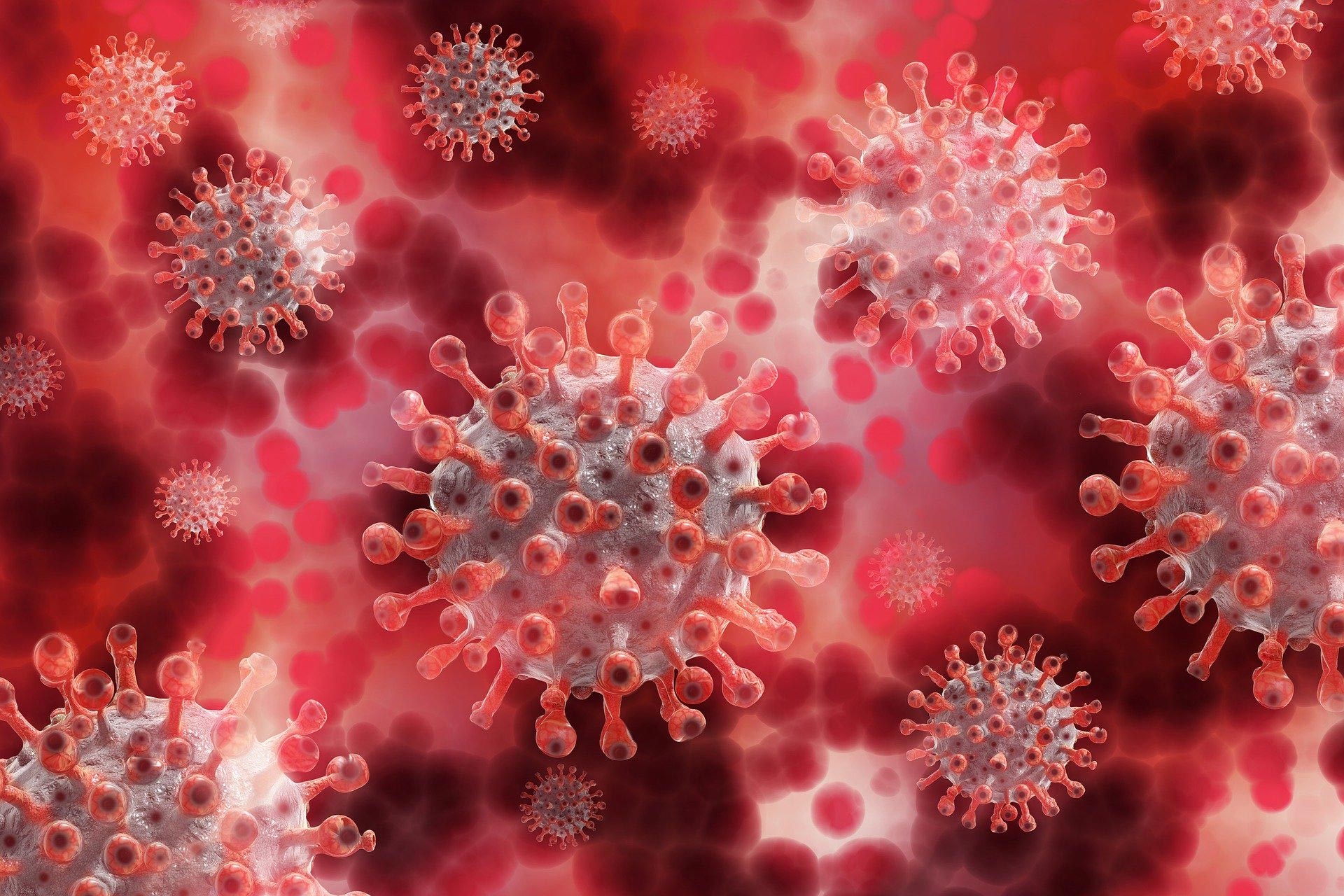
    Coronavirus Graphic
    Coronavirus graphic. Credit: Gerd Altmann

    Genetic signals reveal humans first battled coronaviruses over 20,000 years ago—insights that may help shape future pandemic responses.

    An international team of researchers co-led by the University of Adelaide and the University of Arizona has analyzed the genomes of more than 2,500 modern humans from 26 worldwide populations, to better understand how humans have adapted to historical coronavirus outbreaks.

    In a paper published in Current Biology, the researchers used cutting-edge computational methods to uncover genetic traces of adaptation to coronaviruses, the family of viruses responsible for three major outbreaks in the last 20 years, including the ongoing pandemic.

    “Modern human genomes contain evolutionary information tracing back hundreds of thousands of years, however, it’s only in the past few decades geneticists have learned how to decode the extensive information captured within our genomes,” said lead author Dr. Yassine Souilmi, with the University of Adelaide’s School of Biological Sciences.

    “This includes physiological and immunological ‘adaptions’ that have enabled humans to survive new threats, including viruses.

    How Viruses Hijack the Human Body

    “Viruses are very simple creatures with the sole objective to make more copies of themselves. Their simple biological structure renders them incapable of reproducing by themselves so they must invade the cells of other organisms and hijack their molecular machinery to exist.”

    Yassine Souilmi
    Lead author Dr. Yassine Souilmi Australian Centre for Ancient DNA, School of Biological Sciences, The University of Adelaide. Credit: The University of Adelaide

    Viral invasions involve attaching and interacting with specific proteins produced by the host cell known as viral interacting proteins (VIPs).

    In the study, researchers found signs of adaptation in 42 different human genes encoding VIPs.

    “We found VIP signals in five populations from East Asia and suggest the ancestors of modern East Asians were first exposed to coronaviruses over 20,000 years ago,” said Dr. Souilmi.

    “We found the 42 VIPs are primarily active in the lungs — the tissue most affected by coronaviruses — and confirmed that they interact directly with the virus underlying the current pandemic.”

    Ray Tobler
    Dr. Ray Tobler, Australian Centre for Ancient DNA, within the University of Adelaide’s School of Biological Sciences. Credit: The University of Adelaide

    Other independent studies have shown that mutations in VIP genes may mediate coronavirus susceptibility and also the severity of COVID-19 symptoms. And several VIPs are either currently being used in drugs for COVID-19 treatments or are part of clinical trials for further drug development.

    A Genetic Toolkit for Future Pandemics

    “Our past interactions with viruses have left telltale genetic signals that we can leverage to identify genes influencing infection and disease in modern populations, and can inform drug repurposing efforts and the development of new treatments,” said co-author Dr. Ray Tobler, from the University of Adelaide’s School of Biological Sciences.

    “By uncovering the genes previously impacted by historical viral outbreaks, our study points to the promise of evolutionary genetic analyses as a new tool in fighting the outbreaks of the future,” said Dr. Souilmi.

    The researchers also note that their results in no way supersede pre-existing public health policies and protections, such as mask-wearing, social distancing, and vaccinations.

    Reference: “An ancient viral epidemic involving host coronavirus interacting genes more than 20,000 years ago in East Asia” by Yassine Souilmi, M. Elise Lauterbur, Ray Tobler, Christian D. Huber, Angad S. Johar, Shayli Varasteh Moradi, Wayne A. Johnston, Nevan J. Krogan, Kirill Alexandrov and David Enard, 24 June 2021, Current Biology.
    DOI: 10.1016/j.cub.2021.05.067

    The team involved in this study also included researchers from Australian National University and Queensland University of Technology.

    Never miss a breakthrough: Join the SciTechDaily newsletter.
    Follow us on Google and Google News.

    Adelaide University Cell Biology COVID-19 Genetics Immunology Infectious Diseases Vaccine
    Share. Facebook Twitter Pinterest LinkedIn Email Reddit

    Related Articles

    Genetic Limit on Cell Division Could Explain COVID-19 Deaths Among Elderly

    Structural Changes Identified in COVID Alpha and Beta Variants – Suggests Need for Updated Vaccine Booster

    SARS-CoV-2 Antibodies Provide Lasting COVID-19 Immunity

    Research Shows Exposure to Common Cold Coronaviruses Can Teach the Immune System to Recognize SARS-CoV-2

    Common Molecular Feature of Antibodies That Neutralize SARS-CoV-2 Discovered, Boosting COVID-19 Vaccine Prospects

    Evolution of Pandemic Coronavirus Outlines Path From Animals to Humans – Highlights Future Danger

    COVID-19 Treatment May Lie in Pangolin Genetics – May Possess Evolutionary Advantage Against Coronavirus

    Infection Researchers Identify How Coronaviruses From Animals Need to Change to Spread to Humans

    Progress on AAVCOVID, A Gene-Based Experimental COVID-19 Vaccine

    Leave A Reply Cancel Reply

    • Facebook
    • Twitter
    • Pinterest
    • YouTube

    Don't Miss a Discovery

    Subscribe for the Latest in Science & Tech!

    Trending News

    Largest-Ever Study Finds Medicinal Cannabis Ineffective for Anxiety, Depression, PTSD

    250-Million-Year-Old Egg Solves One of Evolution’s Biggest Mysteries

    Living With Roommates Might Be Changing Your Gut Microbiome Without You Knowing

    Century-Old Cleaning Chemical Linked to 500% Increased Risk of Parkinson’s Disease

    What if Your Memories Never Happened? Physicists Take a New Look at the Boltzmann Brain Paradox

    One of the Universe’s Largest Stars May Be Getting Ready To Explode

    Scientists Discover Enzyme That Could Supercharge Ozempic-Like Weight Loss Drugs

    Popular Sweetener Linked to DNA Damage – “It’s Something You Should Not Be Eating”

    Follow SciTechDaily
    • Facebook
    • Twitter
    • YouTube
    • Pinterest
    • Newsletter
    • RSS
    SciTech News
    • Biology News
    • Chemistry News
    • Earth News
    • Health News
    • Physics News
    • Science News
    • Space News
    • Technology News
    Recent Posts
    • Bone-Strengthening Discovery Could Reverse Osteoporosis
    • The Most Elusive Number in Physics Just Got Even More Mysterious
    • Scientists Uncover Hidden Trigger Behind Stem Cell Aging
    • Scientists Discover Coral Reefs Are Teeming With Previously Unknown Life
    • Scientists Find Way to Reverse Fatty Liver Disease Without Changing Diet
    Copyright © 1998 - 2026 SciTechDaily. All Rights Reserved.
    • Science News
    • About
    • Contact
    • Editorial Board
    • Privacy Policy
    • Terms of Use

    Type above and press Enter to search. Press Esc to cancel.