
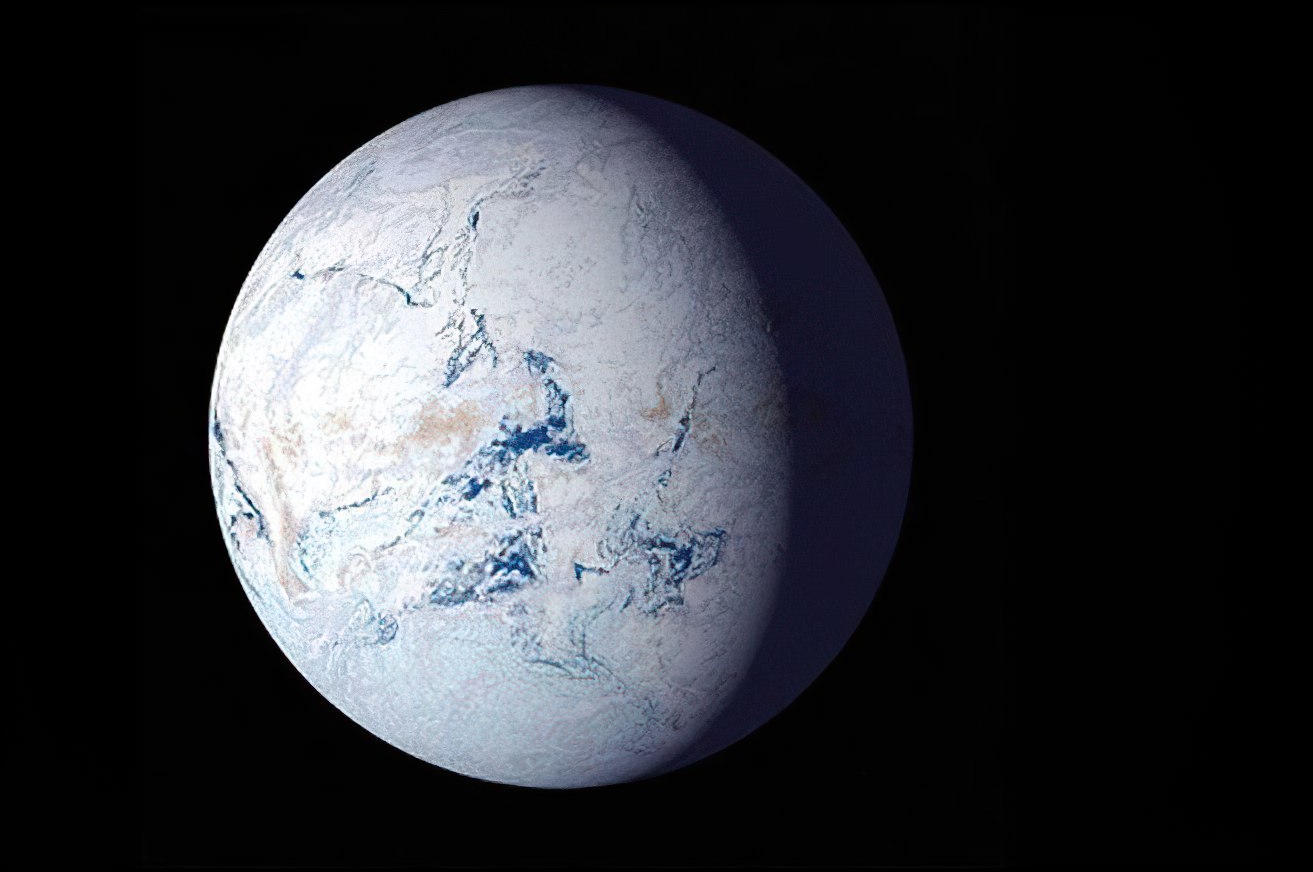
Research on the Port Askaig Formation in Ireland and Scotland suggests it is a key geological record of Earth’s ice-covered era, providing unique geological insights into the prelude to complex life evolution.
A team of researchers led by the University College London (UCL) has discovered that a rock formation in Ireland and Scotland may represent the most extensive record of the “snowball Earth” event, a critical phase in Earth’s history when the entire planet was encased in ice.
The research, published in the Journal of the Geological Society of London, reveals that the Port Askaig Formation, composed of layers of rock up to 1.1km thick, was likely laid down between 662 to 720 million years ago during the Sturtian glaciation – the first of two global freezes thought to have triggered the development of complex, multicellular life.
Unique Geological Insights
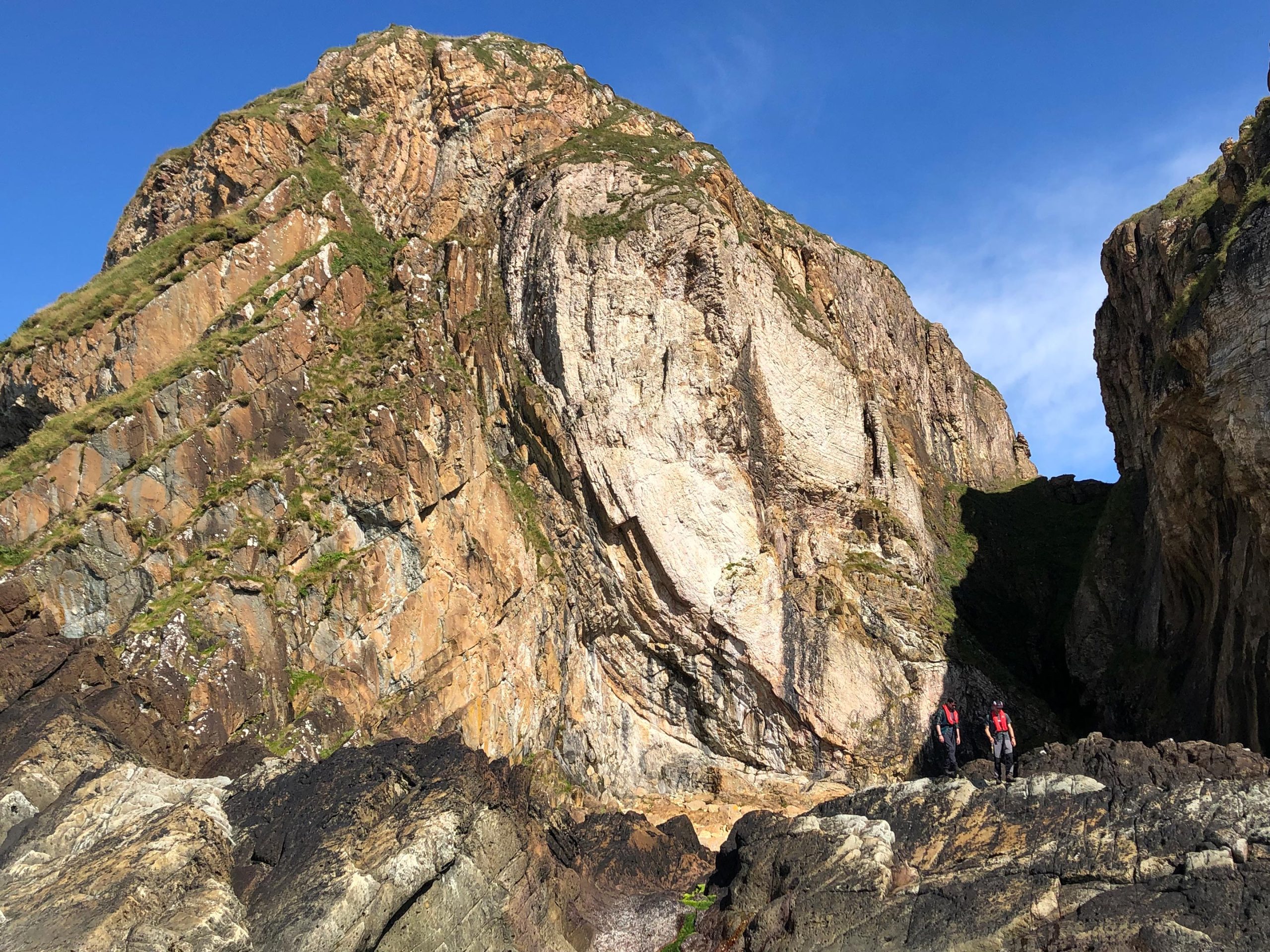
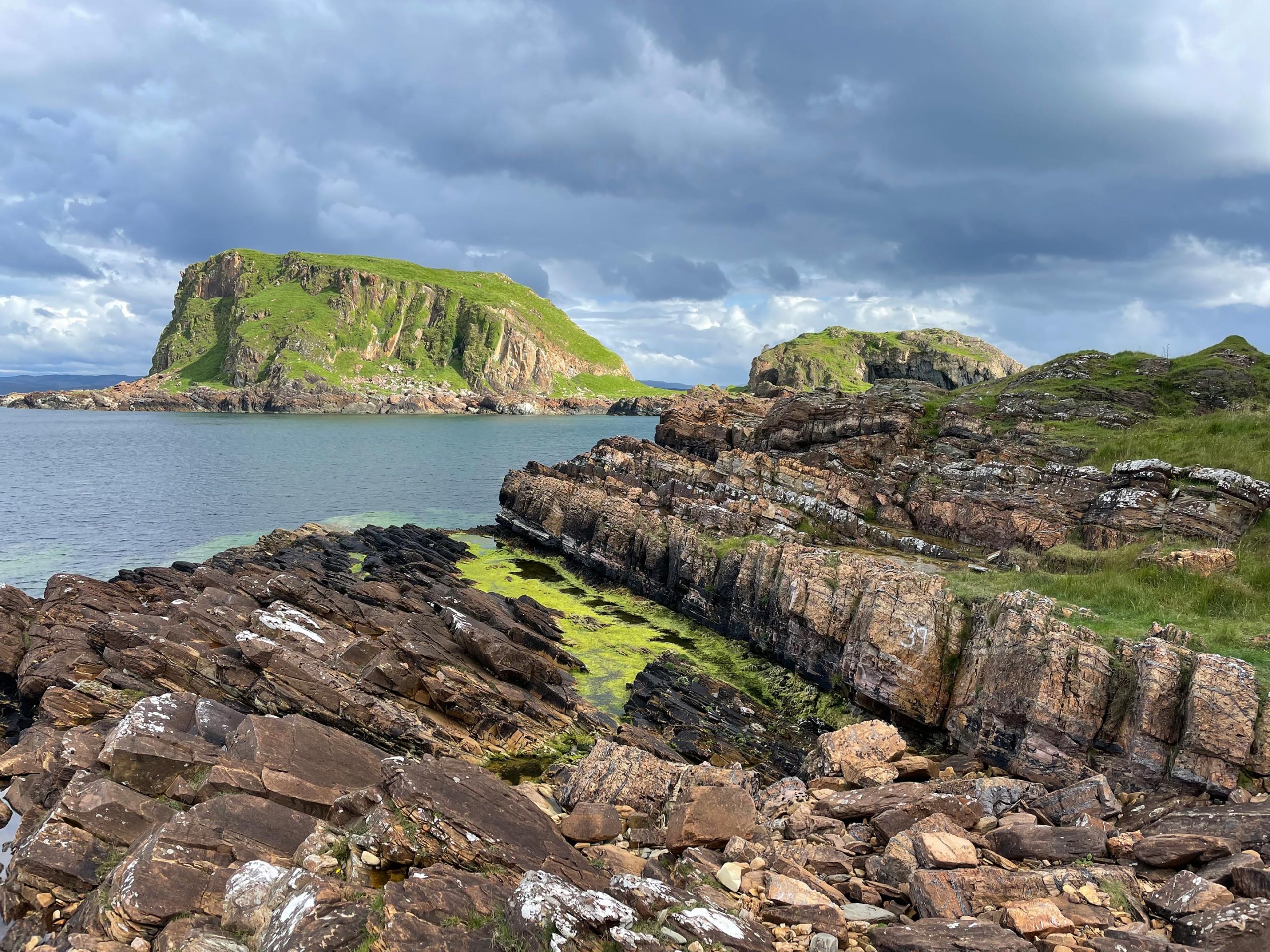
One exposed outcrop of the formation, found on Scottish islands called the Garvellachs, is unique as it shows the transition into “snowball Earth” from a previously warm, tropical environment. Other rocks that formed at a similar time, for instance in North America and Namibia, are missing this transition.
“These rocks record a time when Earth was covered in ice. All complex, multicellular life, such as animals, arose out of this deep freeze, with the first evidence in the fossil record appearing shortly after the planet thawed,” said senior author Professor Graham Shields, of UCL Earth Sciences.
First author Elias Rugen, a PhD candidate at UCL Earth Sciences, said: “Our study provides the first conclusive age constraints for these Scottish and Irish rocks, confirming their global significance.
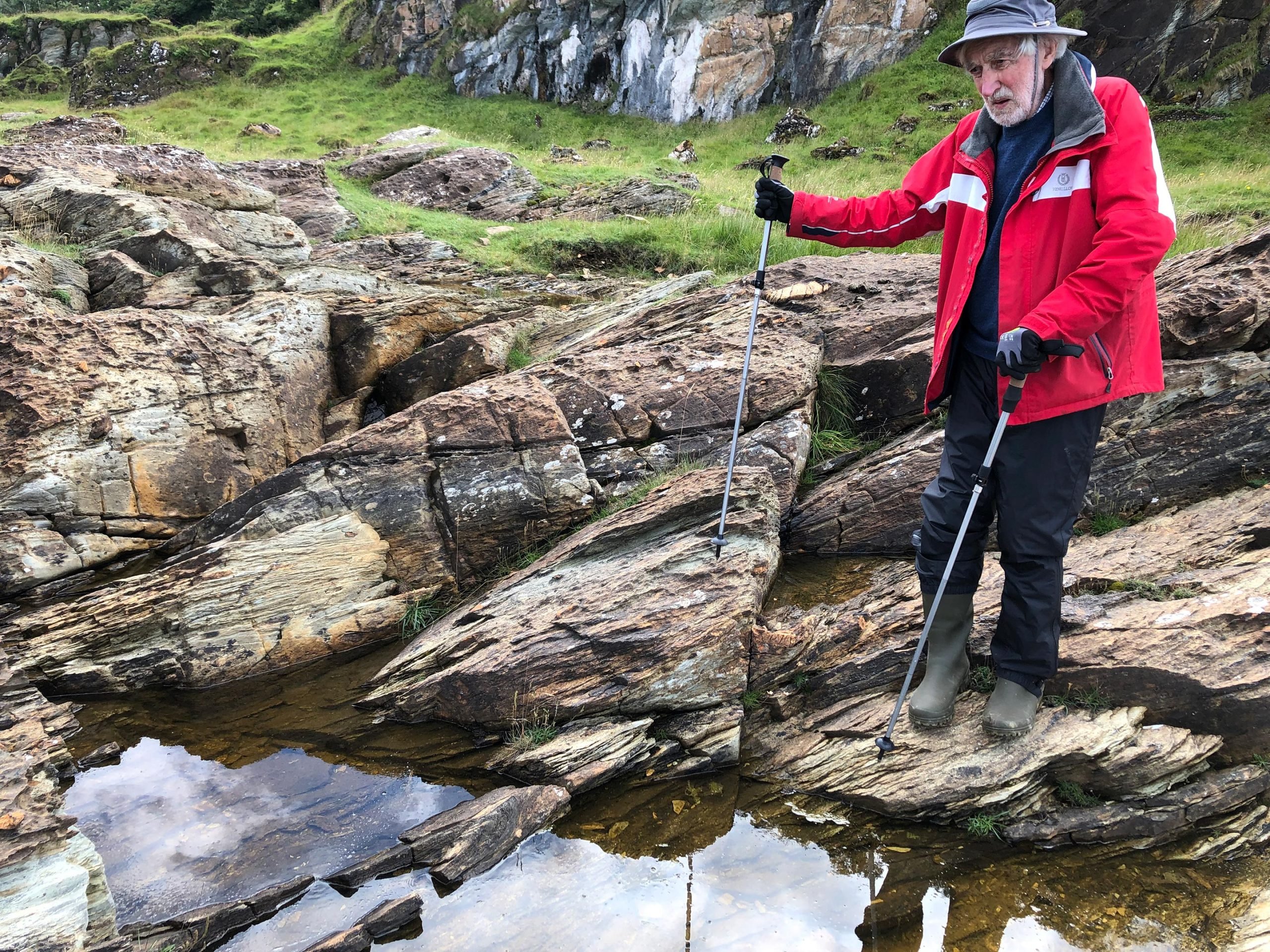
“The layers of rock exposed on the Garvellachs are globally unique. Underneath the rocks laid down during the unimaginable cold of the Sturtian glaciation are 70 metres of older carbonate rocks formed in tropical waters. These layers record a tropical marine environment with flourishing cyanobacterial life that gradually became cooler, marking the end of a billion years or so of a temperate climate on Earth.
“Most areas of the world are missing this remarkable transition because the ancient glaciers scraped and eroded away the rocks underneath, but in Scotland by some miracle the transition can be seen.”
Theoretical and Historical Context
The Sturtian glaciation lasted approximately 60 million years and was one of two big freezes that occurred during the Cryogenian Period (between 635 and 720 million years ago). For billions of years prior to this period, life consisted only of single-celled organisms and algae.
After this period, complex life emerged rapidly, in geologic terms, with most animals today similar in fundamental ways to the types of life forms that evolved more than 500 million years ago. One theory is that the hostile nature of the extreme cold may have prompted the emergence of altruism, with single-celled organisms learning to cooperate with each other, forming multicellular life.
The advance and retreat of the ice across the planet was thought to have happened relatively quickly, over thousands of years, because of the albedo effect – that is, the more ice there is, the more sunlight is reflected back into space, and vice versa.
Professor Shields explained: “The retreat of the ice would have been catastrophic. Life had been used to tens of millions of years of deep freeze. As soon as the world warmed up, all of life would have had to compete in an arms race to adapt. Whatever survived were the ancestors of all animals.”
Research Methodology and Findings
For the new study, the research team collected samples of sandstone from the 1.1km-thick Port Askaig Formation as well as from the older, 70-metre-thick Garbh Eileach Formation underneath.
They analyzed tiny, extremely durable minerals in the rock called zircons. These can be precisely dated as they contain the radioactive element uranium, which converts (decays) to lead at a steady rate. The zircons together with other geochemical evidence suggest the rocks were deposited between 662 and 720 million years ago.
Potential Global Significance
The researchers said the new age constraints for the rocks may provide the evidence needed for the site to be declared as a marker for the start of the Cryogenian Period.
This marker, known as a Global Boundary Stratotype Section and Point (GSSP), is sometimes referred to as a golden spike, as a gold spike is driven into the rock to mark the boundary. GSSPs attract visitors from around the world and in some cases museums have been established at the sites.
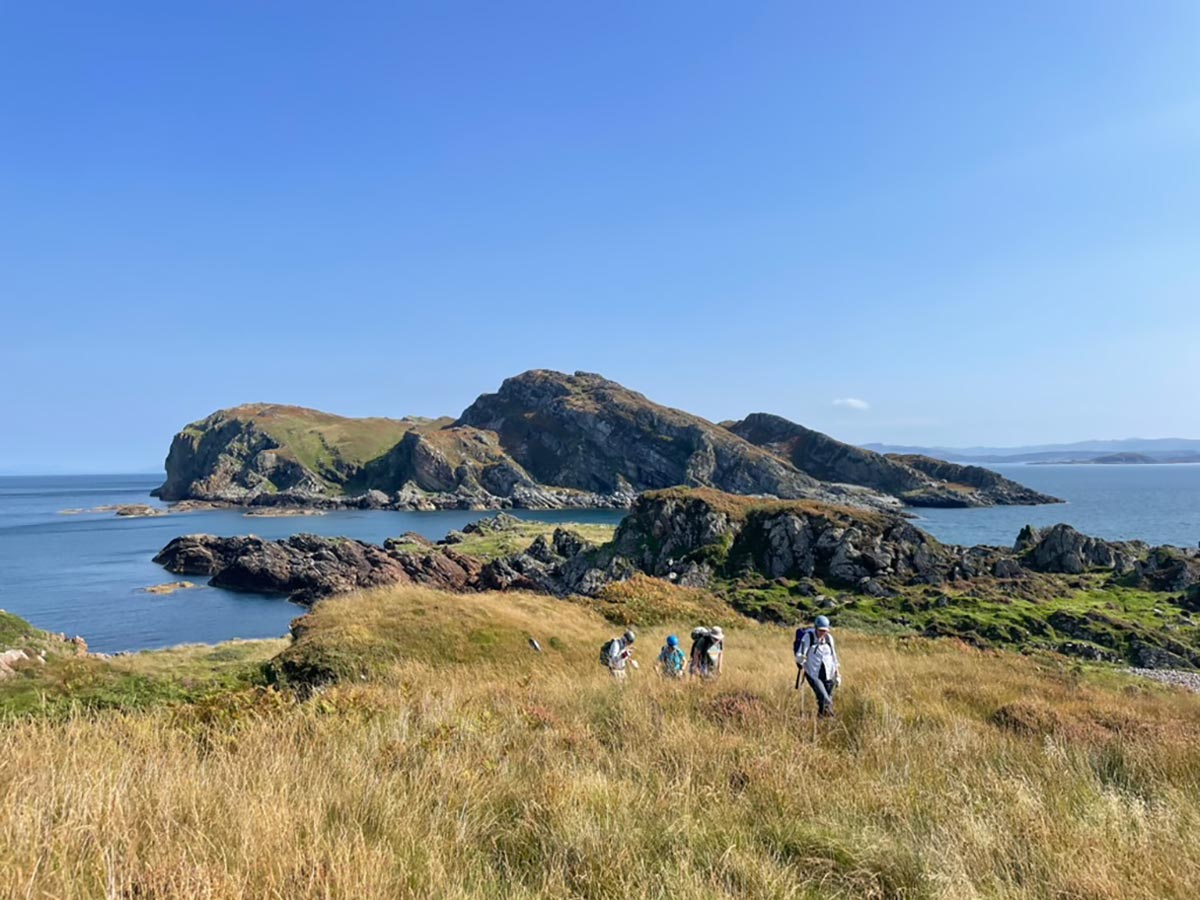
A group from the International Commission on Stratigraphy, a part of the International Union of Geological Sciences, visited the Garvellachs in July to assess the case for a golden spike on the archipelago. Currently, the islands are only accessible by chartering a boat or by sailing or kayaking to them.
The study involved researchers from UCL, the University of Milano-Bicocca, Italy, and Birkbeck University of London. The work was funded by the Natural Environment Research Council (NERC).
Reference: “Glacially influenced provenance and Sturtian affinity revealed by detrital zircon U–Pb ages from sandstones in the Port Askaig Formation, Dalradian Supergroup” by Elias J. Rugen, Guido Pastore, Pieter Vermeesch, Anthony M. Spencer, David Webster, Adam G. G. Smith, Andrew Carter, and Graham A. Shields, 16 August 2024, Journal of the Geological Society.
DOI: 10.1144/jgs2024-029
Never miss a breakthrough: Join the SciTechDaily newsletter.
Follow us on Google and Google News.