
A newly surveyed Bronze Age city shows unexpected urban planning and bronze production in the steppe.
Archaeologists have uncovered the remains of a large Bronze Age settlement on the Kazakh Steppe, a site that appears to have served as a major center for bronze production more than 3,500 years ago. The discovery comes from an international research team co-led by experts at UCL.
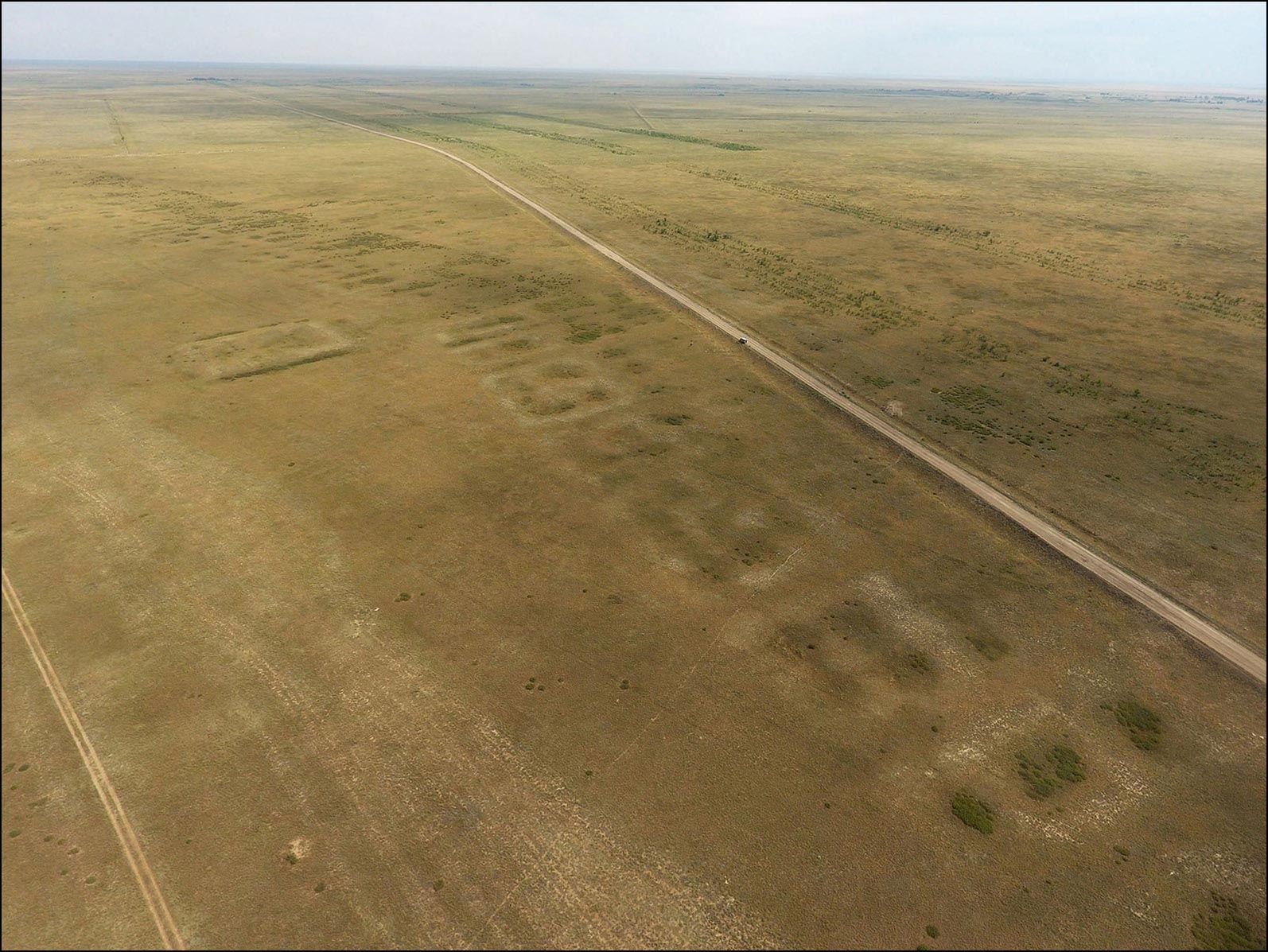
The findings, published in Antiquity Project Gallery and conducted jointly with Durham University and Kazakhstan’s Toraighyrov University, provide the first in-depth archaeological study of Semiyarka. This planned settlement covers about 140 hectares, making it the largest known ancient site of its kind in the region.
Although researchers at Toraighyrov University first located the area in the early 2000s, it has only recently been examined comprehensively. Dating to around 1600 BC, Semiyarka sheds light on a pivotal moment when nomadic groups began establishing permanent and increasingly urban communities.
Lead author Dr Miljana Radivojević (UCL Archaeology) said: “This is one of the most remarkable archaeological discoveries in this region for decades. Semiyarka changes the way we think about steppe societies. It shows that mobile communities could build and sustain permanent, organized settlements centered on a likely large-scale industry — a true ’urban hub’ of the steppe.”
Architecture and layout of Semiyarka
What remains of the settlement today includes two rows of rectangular earthen mounds, each about a meter tall. These mounds once supported enclosed dwellings with multiple rooms. Researchers also found traces of a larger central building that was twice the size of the surrounding homes. Its role is not yet known, but it may have served as a ceremonial space, a shared gathering area, or the residence of an influential family.
The size and long-term stability of the settlement challenge earlier assumptions. Until now, scholars believed that people living in this region during that time were mostly semi-nomadic and typically occupied temporary camps or small villages.
Co-author Professor Dan Lawrence of Durham University said: “The scale and structure of Semiyarka are unlike anything else we’ve seen in the steppe zone. The rectilinear compounds and the potentially monumental building show that Bronze Age communities here were developing sophisticated, planned settlements similar to those of their contemporaries in more traditionally ‘urban’ parts of the ancient world.”
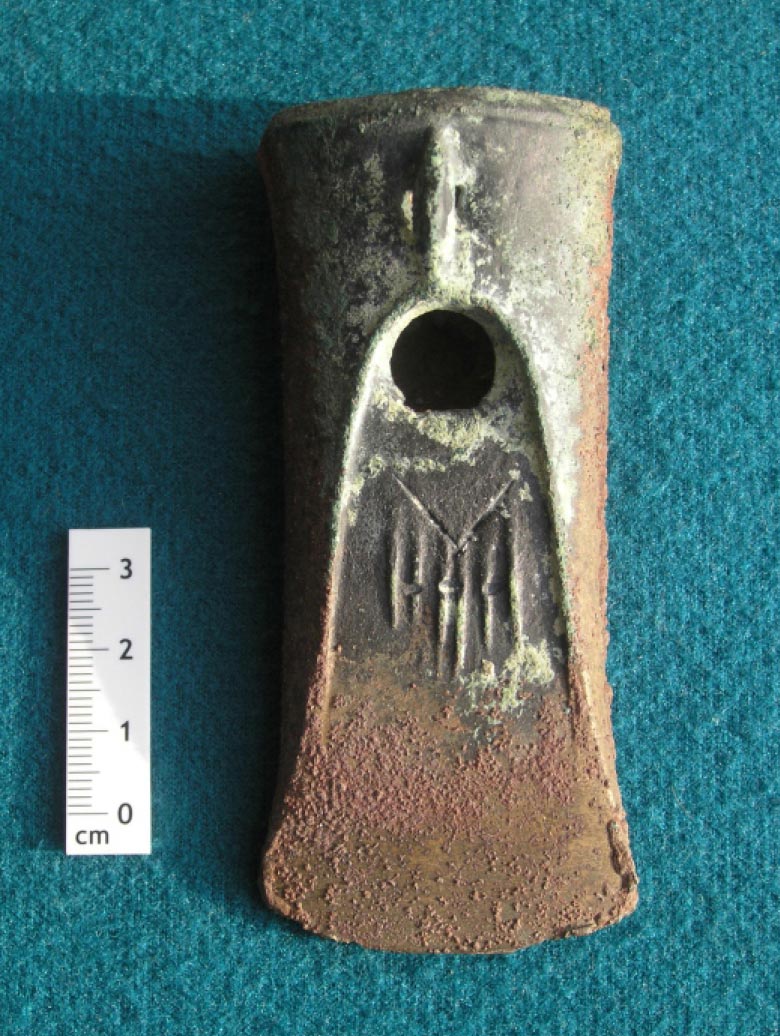
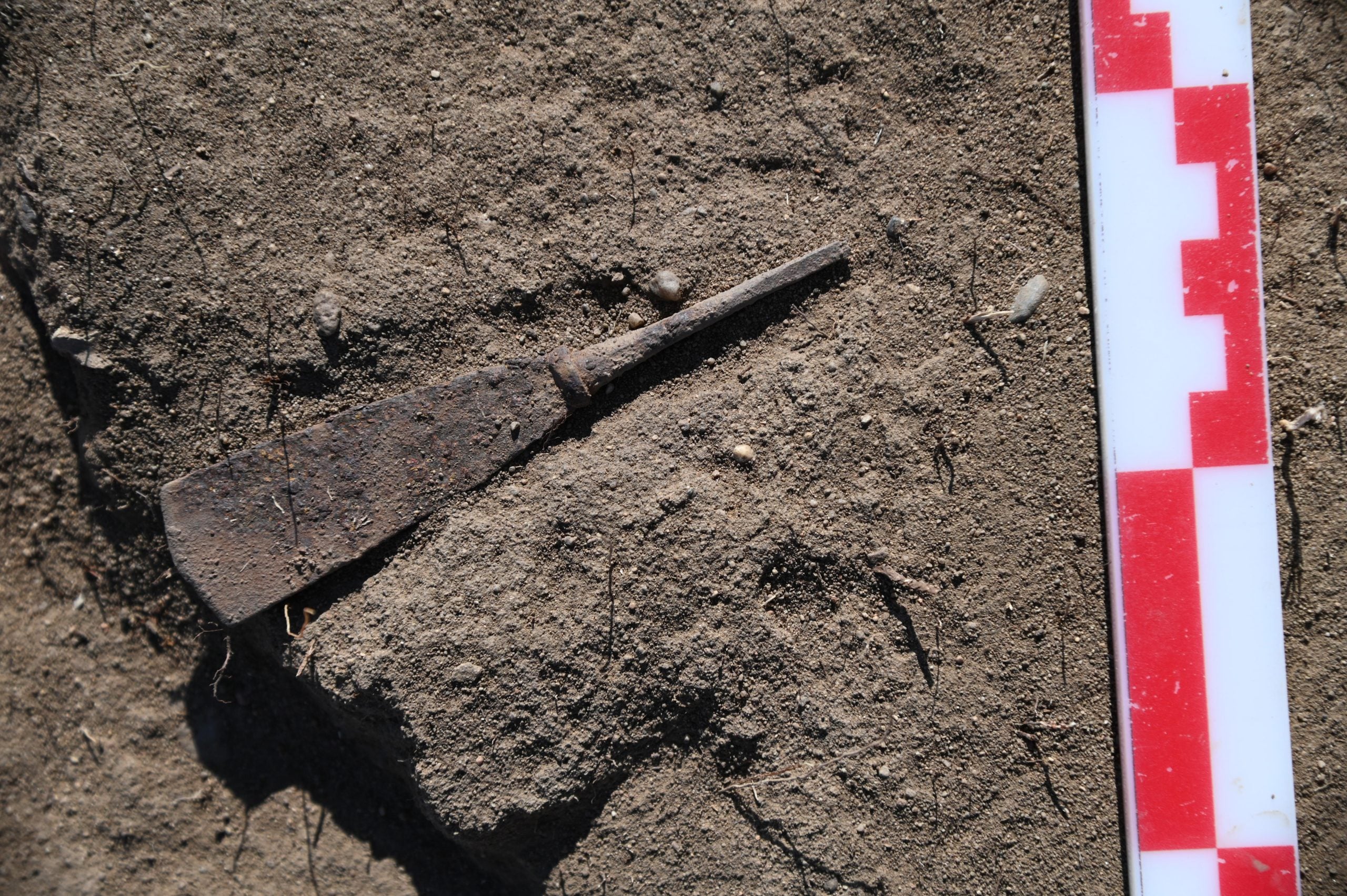
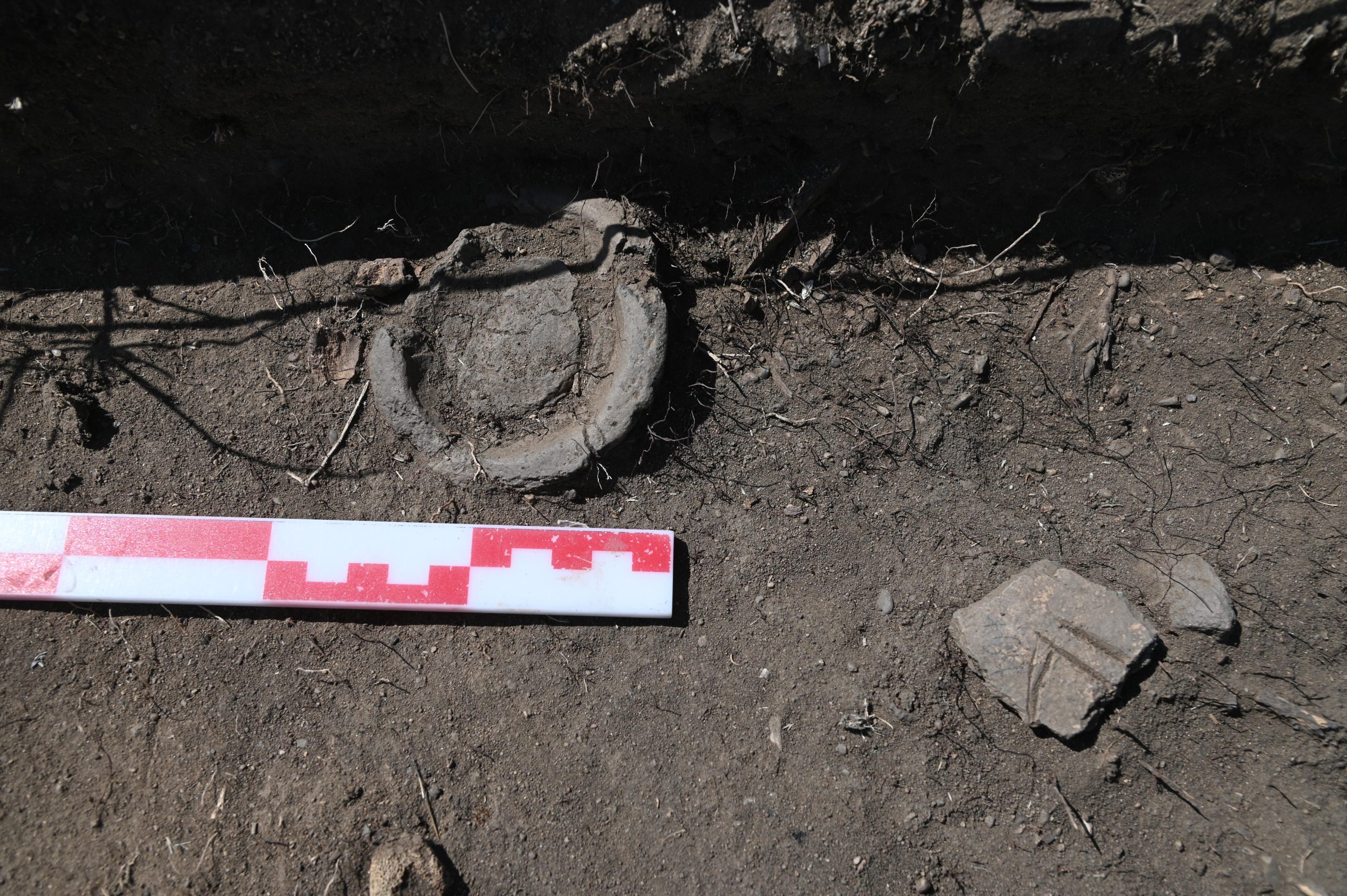
Semiyarka was likely a major center for tin bronze production in the region – a rare discovery in the Eurasian Steppe. On the southeast end of the city, researchers unearthed evidence of an ‘industrial zone’ dedicated to tin bronze metallurgical production, the main bronze alloy that defined the Bronze Age. Excavations and geophysical surveys revealed crucibles, slag, and tin bronze artifacts, providing the first firm evidence that Semiyarka metallurgists operated complex production systems rather than small-scale workshops.
Currently, little is known about tin bronze production in the Eurasian Steppe Bronze Age, despite hundreds of thousands of tin bronze artifacts preserved in museum collections. Only one other settlement in eastern Kazakhstan, a Late Bronze Age mining site of Askaraly, has been linked to tin bronze production. Semiyarka shows an entire settlement zone dedicated to tin bronze making —suggesting a highly organized, possibly limited or controlled, industry of this sought-after alloy. The researchers hope that the site can offer more insights into the region’s poorly understood ancient production practices.
Strategic location and cultural connections
The city is located on a promontory above the Irtysh River in northeastern Kazakhstan and was first discovered in the early 2000s. Its name means “Seven Ravines,” taken from the network of valleys it overlooks. Its strategic location suggests that Semiyarka was once both a center of exchange and a regional power. It’s also situated in the vicinity of copper and tin deposits in the nearby Altai Mountains, which supplied the raw materials for its bronze manufacturing.
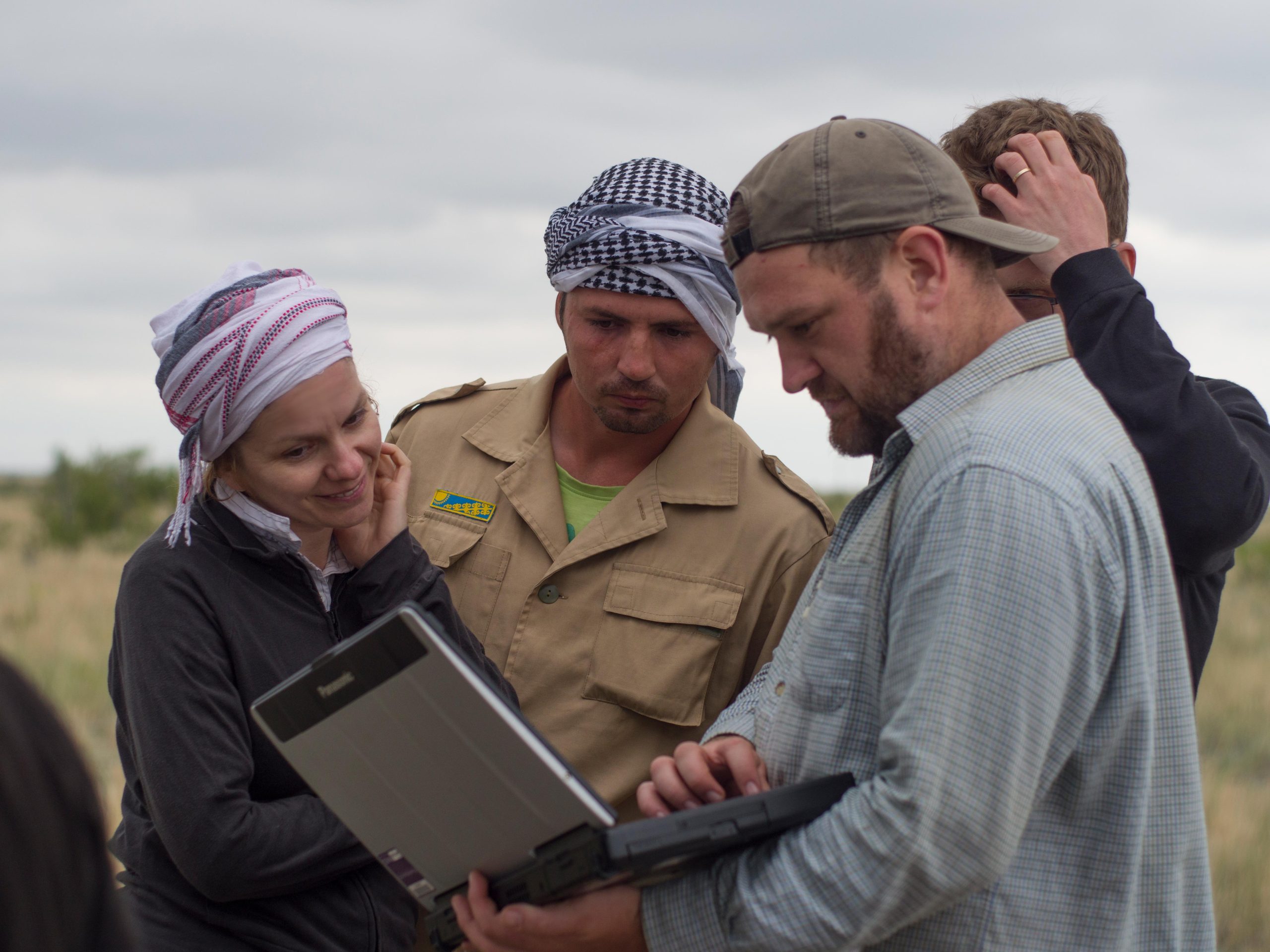
Co-author Dr Viktor Merz of Toraighyrov University in Kazakhstan, who first discovered the site, said: “I have been surveying Semiyarka for many years with the support of Kazakh national research funding, but this collaboration has truly elevated our understanding of the site. Working with colleagues from UCL and Durham has brought new methods and perspectives, and I look forward to what the next phase of excavation will reveal now that we can draw on their specialist expertise in archaeometallurgy and landscape archaeology.”
Excavated finished metallic artifacts and pottery shards indicate that the Alekseevka-Sargary people predominantly inhabited the site, a group that was some of the first to construct permanent dwellings in settlements in the region. Other items are reminiscent of the Cherkaskul people, another group that lived throughout the region but were thought to be more nomadic, indicating the inhabitants of Semiyarka likely traded with these and other local peoples.
Future directions for research
The researchers hope to examine how Semiyarka’s communities organized production and trade with their neighbors, as well as the environmental impact of these activities, in the future. In addition, the team also identified several nearby burial sites and temporary settlements from the same timeframe ,which could provide additional insight into the region’s ancient culture.
Reference: “A major city of the Kazakh Steppe? Investigating Semiyarka’s Bronze Age legacy” by Miljana Radivojević, Dan Lawrence, Victor K. Merz, Ilya V. Merz, Elena Demidkova, Mark Woolston-Houshold, Richie Villis and Peter J. Brown, 18 November 2025, Antiquity.
DOI: 10.15184/aqy.2025.10244
The research was funded by the British Academy, Kazakh Ministry for Science and Higher Education and the ERC awarded/UKRI-funded DREAM Project.
Never miss a breakthrough: Join the SciTechDaily newsletter.
Follow us on Google and Google News.
1 Comment
In December last year I published an article titled “The influence of climatic change on the Late Bronze Age Collapse and the Greek Dark Ages.”
The purpose of the article was to point out that the designed to fail IPCC and their corporate ‘go too’ scientists are ignoring thousands of years of anthropogenic emissions that surely meet the definition of Industrial.
In this article the word Industrial is mentioned many times, some highlights below to reinforce my point.
This is a huge oversight and why everything is much worse than anyone expected.
In science, the devil is always in the detail.
Added to my own article titled: “The influence of climatic change on the Late Bronze Age Collapse and the Greek Dark Ages”.