
Close Menu
    Facebook X (Twitter) Instagram
    SciTechDaily
    • Biology
    • Chemistry
    • Earth
    • Health
    • Physics
    • Science
    • Space
    • Technology
    Facebook X (Twitter) Pinterest YouTube RSS
    SciTechDaily
    Home»Science»Unveiling Europe’s Oldest Hippo: A Middle Pleistocene Mystery Solved
    Science

    Unveiling Europe’s Oldest Hippo: A Middle Pleistocene Mystery Solved

    By PLOSDecember 2, 2023No Comments4 Mins Read
    Facebook Twitter Pinterest Telegram LinkedIn WhatsApp Email Reddit
    Share
    Facebook Twitter LinkedIn Pinterest Telegram Email Reddit
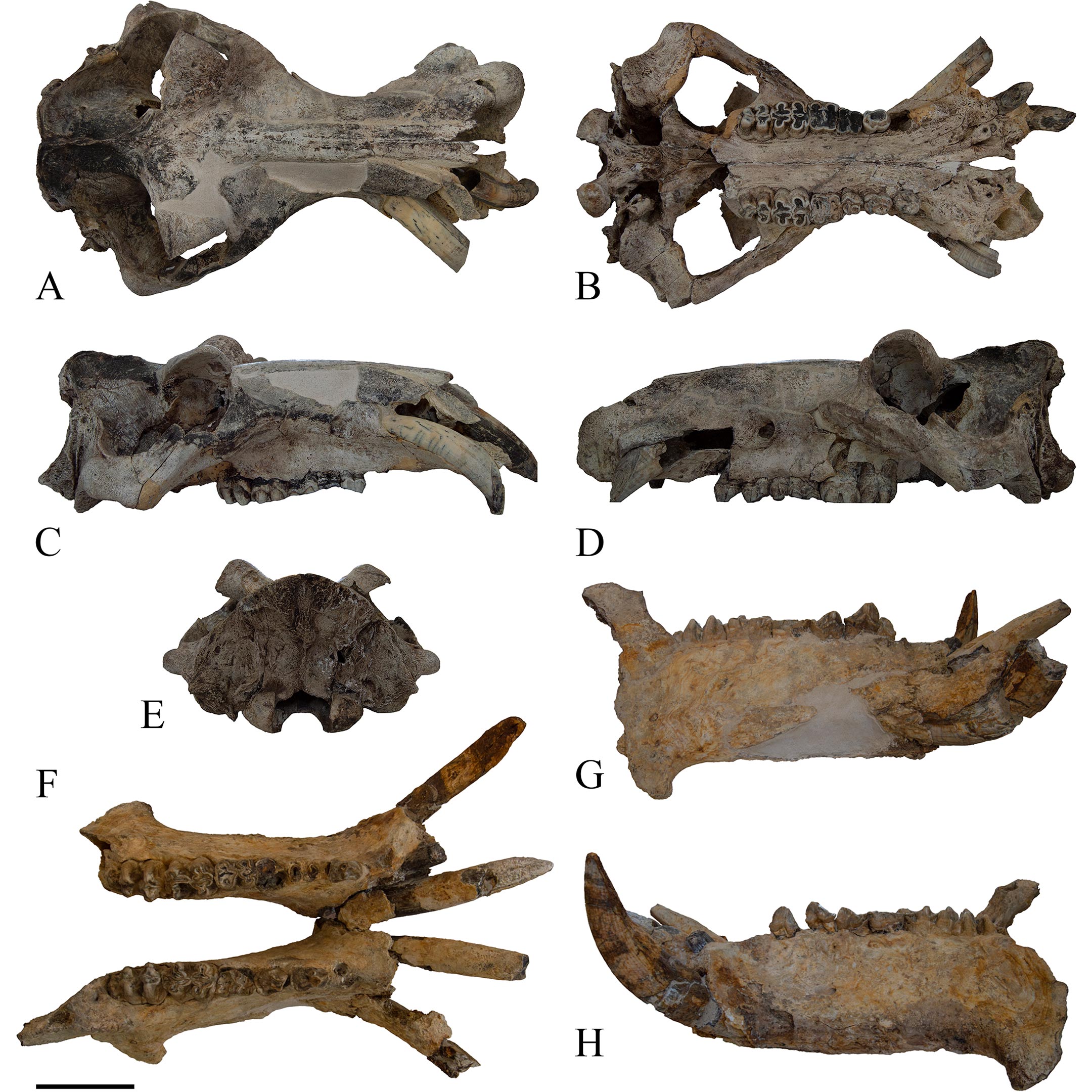
    Hippopotamus amphibius of Cava Montanari Skull
    The skull of Hippopotamus amphibius of Cava Montanari. Cranium in dorsal (A), ventral (B), right lateral (C), left lateral (D) and posterior (E) views. Mandible in occlusal (F) right lateral (G) and left lateral (H) views. Scale bar 10 cm. Credit: Mecozzi et al., 2023, PLOS ONE, CC-BY 4.0

    New analysis settles long-standing confusion about the age of a key fossil.

    Modern hippos first dispersed in Europe during the Middle Pleistocene, a geological epoch that spanned from about 770,000 to 126,000 years ago. This is according to a study published November 22, 2023, in the open-access journal PLOS ONE by Beniamino Mecozzi of the Sapienza University of Rome and colleagues.

    Modern hippos, Hippopotamus amphibius, arose from African ancestors during the Quaternary, a time when hippos were widespread in Europe. However, the details of the modern species’ origin and dispersal into Europe are unclear and highly debated. In this study, Mecozzi and colleagues provide new insights via analysis of a fossil hippo skull from the study area of Tor di Quinto in Rome.

    The Significance of the Tor di Quinto Skull

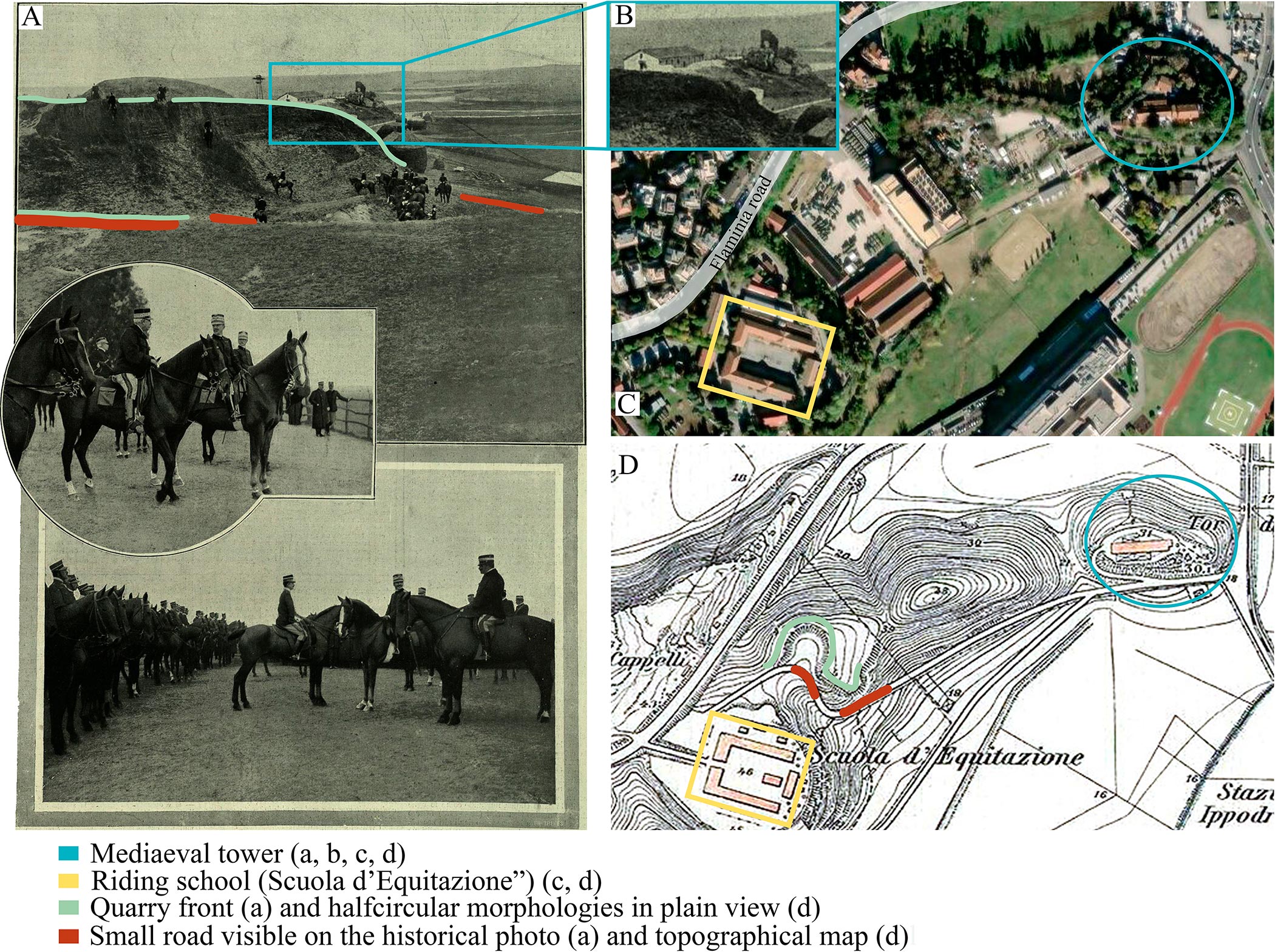
    The skull of Tor di Quinto, currently housed at the Earth Science University Museum of Sapienza University of Rome, is among the most complete hippo specimens known from Pleistocene Europe, but its significance has been unclear due to uncertainties about its age and where exactly it was originally excavated.

    Following the restoration of the skull in 2021, researchers were able to analyze the composition of sediments found within the skull cavities, revealing a match to the local Valle Guilia Formation, indicating a geologic age for this skull between 560,000-460,000 years old. Cranial and dental morphologies also confirmed the identity of this skull as the modern species Hippopotamus amphibius.
    Early Dispersal of Hippopotamus amphibius in Europe
    Historical picture of the Tor di Quinto area from the archive of the Istituto Superiore per la Protezione e la Ricerca Ambientale (ISPRA, A, B) and the same area today. Credit: Mecozzi et al., 2023, PLOS ONE, CC-BY 4.0

    Unraveling Hippo History in Europe

    This research reveals this skull to be the oldest known fossil of this modern hippo species in Europe. These results shed light on the history of hippos in Europe, reinforcing the hypothesis of an early dispersal during the Middle Pleistocene and bolstering a broader understanding of the deep history of these large mammals. Hippos are highly influential species within modern and ancient ecosystems, and they are valuable indicators of past climate and environmental conditions.

    The authors add: “Restoring the mammal skeletons exposed at the University Museum of Earth Science, Terra, Sapienza University of Rome offers new data for old fossils. The multidisciplinary study of the skull from Cava Montanari (Roma) redefines the first dispersal of Hippopotamus amphibius in Europe.”

    Reference: “Reinforcing the idea of an early dispersal of Hippopotamus amphibius in Europe: Restoration and multidisciplinary study of the skull from the Middle Pleistocene of Cava Montanari (Rome, central Italy)” by Beniamino Mecozzi, Alessio Iannucci, Marco Mancini, Daniel Tentori, Chiara Cavasinni, Jacopo Conti, Mattia Yuri Messina, Alex Sarra and Raffaele Sardella, 22 November 2023, PLOS ONE.
    DOI: 10.1371/journal.pone.0293405

    Funding: Sapienza Università di Roma Grandi Scavi 2019 SA11916B513E7C4B Prof. Raffaele Sardella -Sapienza Università di Roma Grandi Scavi 2020 SA1221816893E2AB Prof. Raffaele Sardella -Sapienza Università di Roma Grandi Scavi 2021 SA12117A87BC3F0A Prof. Raffaele Sardella Sapienza Università di Roma Grandi Scavi 2022 SA1221816893E2AB) Prof. Raffaele Sardella Progetti per Avvio alla Ricerca – Tipo 2 anno 2022,” Sapienza Università di Roma AR222181333C1B88 Dr. Beniamino Mecozzi Contributi premiali per i ricercatori e assegnisti di ricerca per rafforzarne la condizione professionale e potenziare il sistema della ricerca del Lazio” DE G05411, 05/05/2022 Dr. Beniamino Mecozzi.

    Never miss a breakthrough: Join the SciTechDaily newsletter.
    Follow us on Google and Google News.

    Fossils Mammals Paleontology PLOS
    Share. Facebook Twitter Pinterest LinkedIn Email Reddit

    Related Articles

    Evolutionary Puzzle Solved? New Species Challenge Mammal Ancestry Theories

    Jurassic Revolution: New Fossils Redefine Mammalian Ancestry

    Debunking the Myth: Was Spinosaurus Really a “7-Ton Heron From Hell?”

    Scientists Discover Ancient Parasites in 200-Million-Year-Old Fossil Poop

    Locked in Mortal Combat: Unusual Fossil Shows Mammal Attacking a Dinosaur

    Scientists Identify 240-Million-Year-Old Mystery Ancient Marine Reptile

    Dinosaur “Mummies” Might Not Be Unusual – Unhealed Carnivore Damage on Dinosaur Skin

    Brawn Before Brains: Mammals Bulked Up To Survive Post-Dinosaur World

    Surprising Diversity of Cretaceous Reptiles at Argentina Fossil Site – Revealed by Discovery of Ancient Teeth

    Leave A Reply Cancel Reply

    • Facebook
    • Twitter
    • Pinterest
    • YouTube

    Don't Miss a Discovery

    Subscribe for the Latest in Science & Tech!

    Trending News

    Bone-Strengthening Discovery Could Reverse Osteoporosis

    Scientists Uncover Hidden Trigger Behind Stem Cell Aging

    Scientists Find Way to Reverse Fatty Liver Disease Without Changing Diet

    Could Humans Regrow Limbs? New Study Reveals Promising Genetic Pathway

    Scientists Reveal Eating Fruits and Vegetables May Increase Your Risk of Lung Cancer

    Scientists Reverse Brain Aging With Simple Nasal Spray

    Scientists Uncover Potential Brain Risks of Popular Fish Oil Supplements

    Scientists Discover a Surprising Way To Make Bread Healthier and More Nutritious

    Follow SciTechDaily
    • Facebook
    • Twitter
    • YouTube
    • Pinterest
    • Newsletter
    • RSS
    SciTech News
    • Biology News
    • Chemistry News
    • Earth News
    • Health News
    • Physics News
    • Science News
    • Space News
    • Technology News
    Recent Posts
    • Men vs. Women: Scientists Uncover Dramatic Differences in How the Immune System Ages
    • Eating Chili Peppers Linked to Longer Life
    • Bread Might Be Making You Gain Weight Even Without Eating More
    • 4,000-Year-Old Tablets Reveal Lost Magic, Medicine, and Ancient Kings
    • AI Meets Quantum Computing and the Predictions Get Scary Accurate
    Copyright © 1998 - 2026 SciTechDaily. All Rights Reserved.
    • Science News
    • About
    • Contact
    • Editorial Board
    • Privacy Policy
    • Terms of Use

    Type above and press Enter to search. Press Esc to cancel.