
Vitamin B12 deficiency can lead to serious and potentially deadly health issues in humans. Until now, the same deficiencies were thought to impact certain types of algae, as well. However, a recent study into the algae Phaeocystis antarctica (P. antarctica), exposed to various conditions of iron and vitamin B12, reveals that these organisms can survive without B12. This finding contradicts earlier predictions made through computerized genome sequence analysis, demonstrating the algae’s unexpected resilience to B12 deficiency.
The alga, native to the Southern Ocean, starts as a single-cell that can transform into millimeter-scale colonies. The research was published in PNAS and conducted by MIT, WHOI, J.C. Venter Institute, and Scripps Institution of Oceanography (UCSD). It found that unlike other keystone polar phytoplankton, P. antarctica can survive with or without vitamin B12.
“Vitamin B12 is really important to the algae’s metabolism because it allows them to make a key amino acid more efficiently,” said Makoto Saito, one of the study’s co-authors and senior scientist at the Woods Hole Oceanographic Institution (WHOI). “When you can’t get vitamin B12, life has ways to make those amino acids more slowly, causing them to grow slower as well. In this case, there’s two forms of the enzyme that makes the amino acid methionine, one needing B12, and one that is much slower, but doesn’t need B12. This means P. antarctica has the ability to adapt and survive with low B12 availability.”
The MetE Gene Discovery
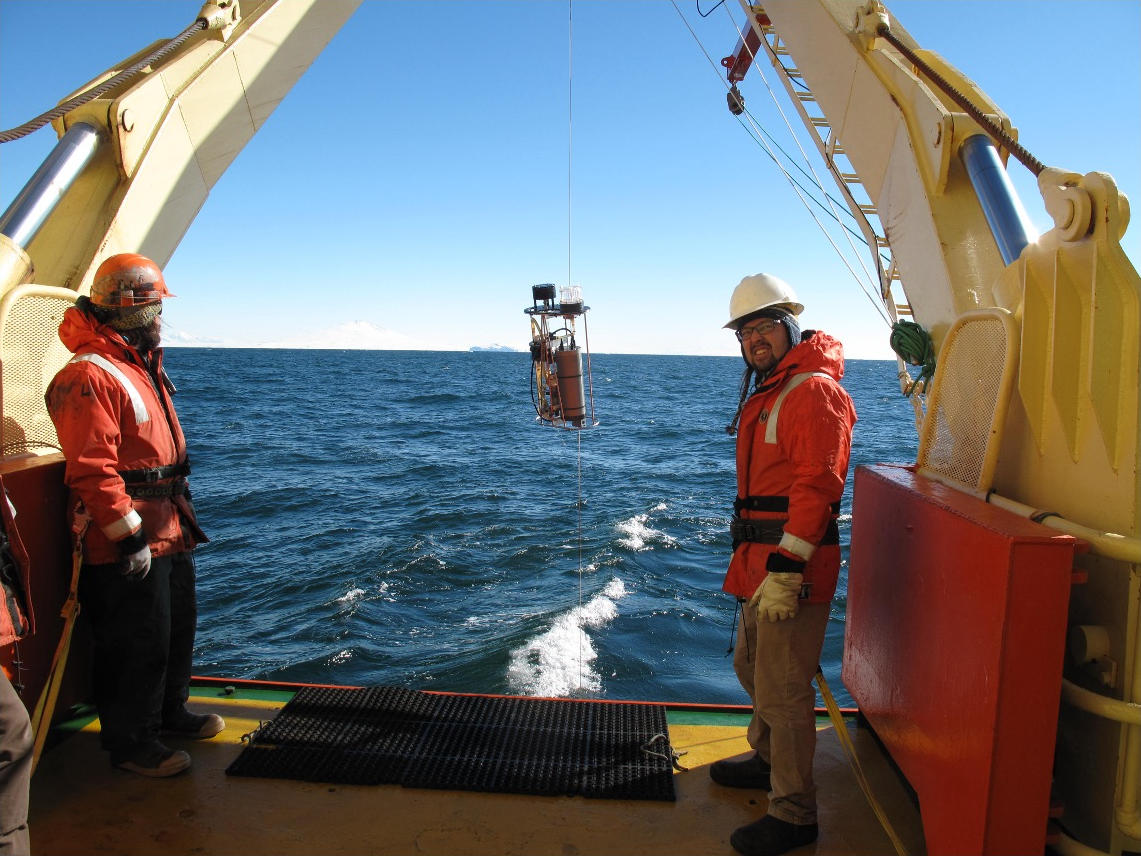
Researchers came to their conclusion by studying P. antarctica’s proteins in a lab culture, and also searching for key proteins in field samples. During their observation, they found the algae to have a B12-independent methionine synthase fusion protein (MetE). The MetE gene isn’t new, but was previously believed not to have been possessed by P. antarctica. MetE gives the algae the flexibility to adapt to low vitamin B12 availability.
“This study suggests that the reality is more complex. For most algae, maintaining a flexible metabolism for B12 is beneficial, given how scarce the vitamin’s supply is in seawater,” said Deepa Rao, lead researcher of the study and former MIT postdoc.“ Having this flexibility enables them to make essential amino acids, even when they can’t obtain enough of the vitamin from the environment. Implying that the classification of algae as B12-requiring or not might be too simplistic.”
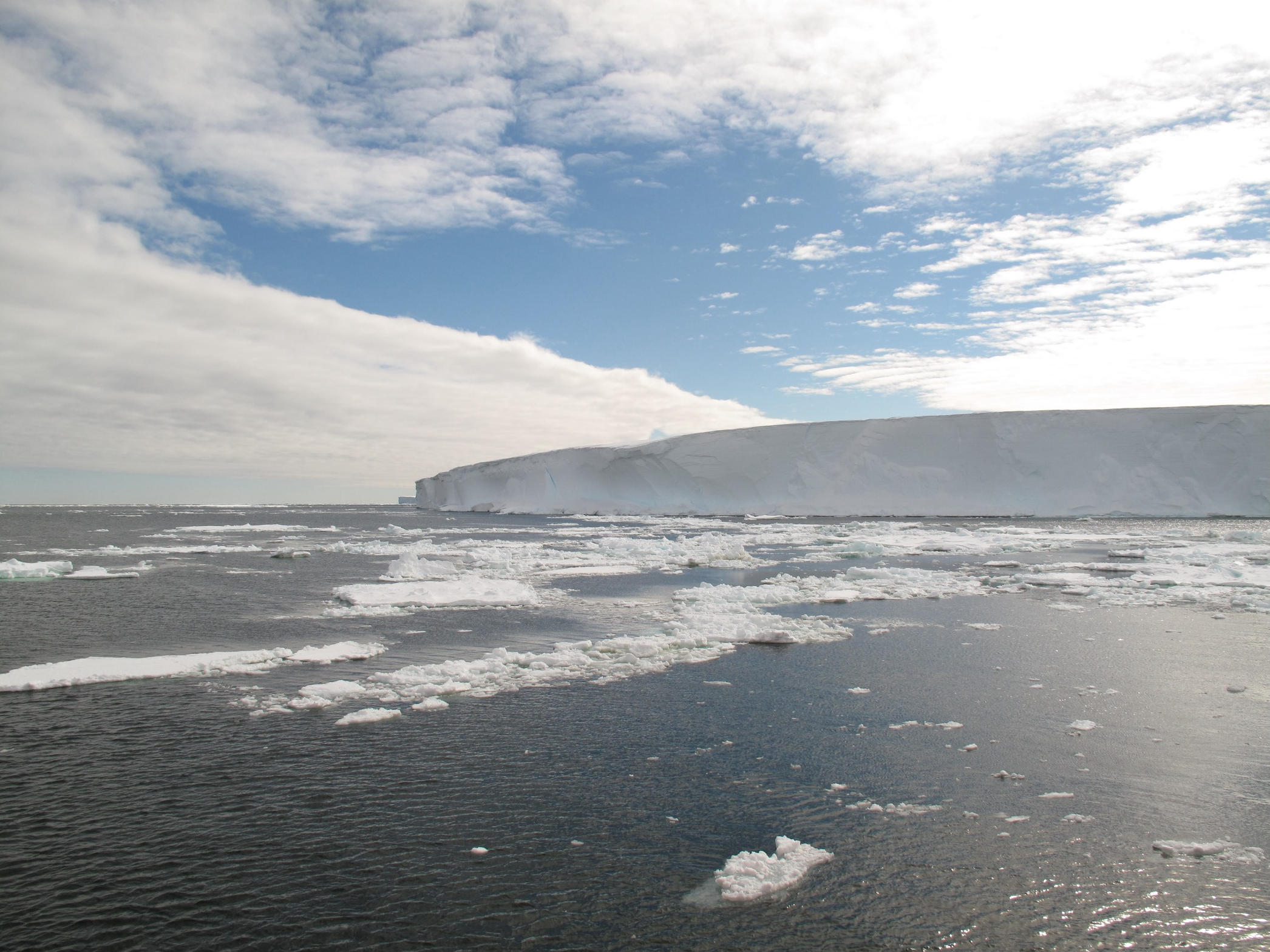
Antarctica, which lives at the base of the food web, has been thought to be entirely controlled by iron nutrition. The discovery of the MetE gene also indicates vitamin B12 likely plays a factor. Because of its presence in P. antarctica, the adaptability of the algae gives it a potential advantage to bloom in the early austral spring when the bacteria that produce B12, are scarcer.
Future Research Directions
This discovery also has implications for climate change. The Southern Ocean, where P. antarctica is found, plays a significant role in the Earth’s carbon cycle. P. antarctica takes in the CO2 and releases oxygen through photosynthesis.
“As our global climate warms, there’s increasing amounts of iron entering the coastal Southern Ocean from melting glaciers,” Saito said. “Predicting what the next limiting thing after iron is important, and B12 appears to be one of them. Climate modelers want to know how much algae is growing in the ocean in order to get predictions right and they’ve parameterized iron, but haven’t included B12 in those models yet.”
“We are particularly interested in knowing more about the extent of strain level diversity. It will be interesting to see if B12 independent strains have a competitive advantage in a warmer Southern Ocean,” said co-author of the study Andy Allen, a joint professor at the J. Craig Venter Institute and the Scripps Institution of Oceanography at the University of California, San Diego. “Since there is a cost to B12 independence in terms of metabolic efficiency, an important question is whether or not strains that require B12 might become reliant on B12-producing bacteria.”
The discovery that P. antarctica has the ability to adapt to minimal vitamin B12 availability turns out to be true for many other species of algae that were also assumed to be strict B12 users previously. The findings from this study will pave the way for future research related to the carbon cycle and how different types of algae survive in the Southern Ocean’s cold and harsh environment.
Reference: “Flexible B12 ecophysiology of Phaeocystis antarctica due to a fusion B12–independent methionine synthase with widespread homologues” by Deepa Rao, Zoltán Füssy, Margaret M. Brisbin, Matthew R. McIlvin, Dawn M. Moran, Andrew E. Allen, Michael J. Follows and Mak A. Saito, 2 February 2024, Proceedings of the National Academy of Sciences.
DOI: 10.1073/pnas.2204075121
Never miss a breakthrough: Join the SciTechDaily newsletter.
Follow us on Google and Google News.