
Close Menu
    Facebook X (Twitter) Instagram
    SciTechDaily
    • Biology
    • Chemistry
    • Earth
    • Health
    • Physics
    • Science
    • Space
    • Technology
    Facebook X (Twitter) Pinterest YouTube RSS
    SciTechDaily
    Home»Space»Voyager 1’s Binary Breakdown: A Galactic Challenge for Engineers
    Space

    Voyager 1’s Binary Breakdown: A Galactic Challenge for Engineers

    By NASADecember 13, 2023No Comments3 Mins Read
    Facebook Twitter Pinterest Telegram LinkedIn WhatsApp Email Reddit
    Share
    Facebook Twitter LinkedIn Pinterest Telegram Email Reddit
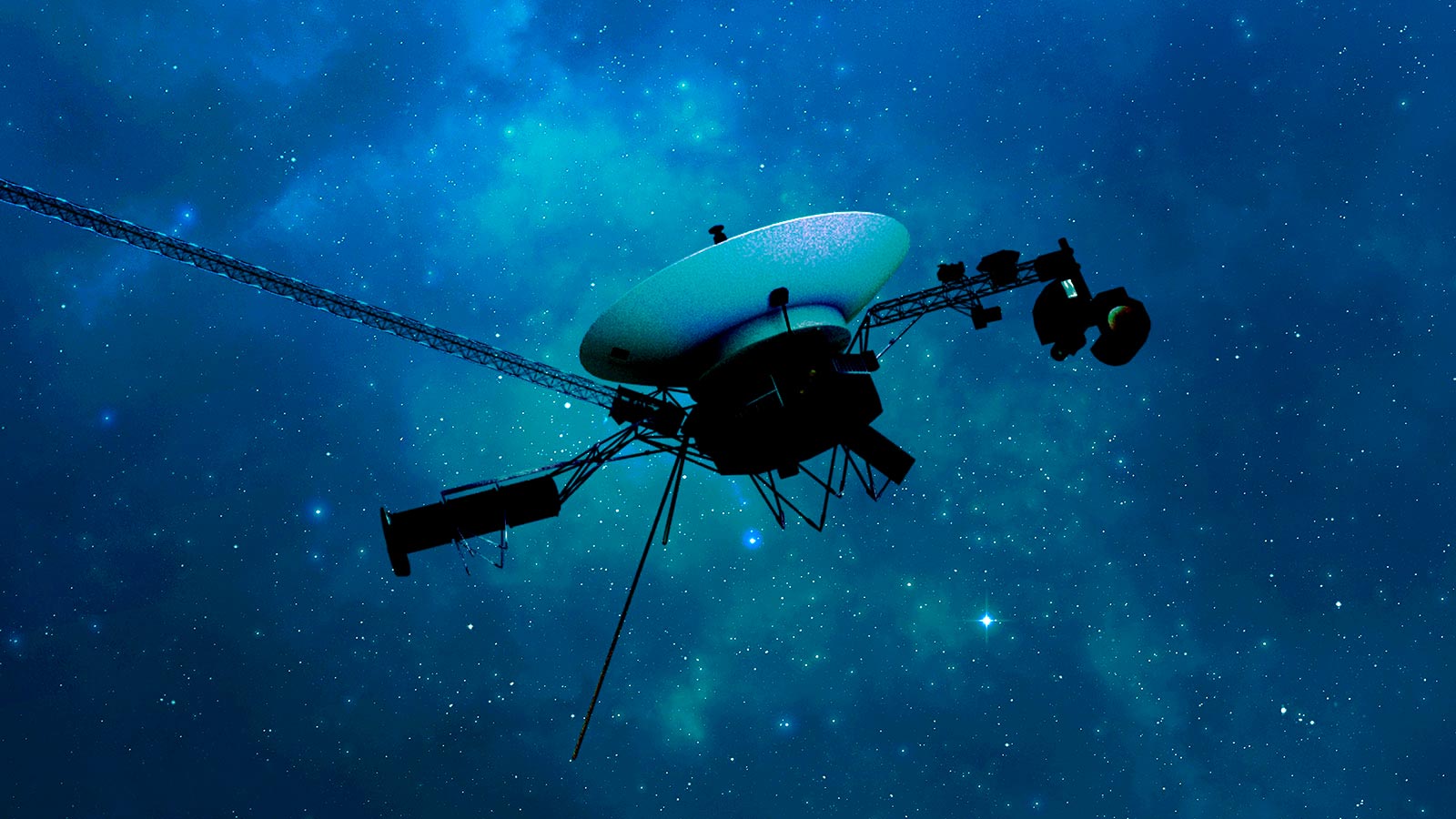
    NASA Voyager 1 Spacecraft Traveling Through Interstellar Space
    NASA’s Voyager 1 spacecraft is depicted in this artist’s concept traveling through interstellar space, or the space between stars, which it entered in 2012. Traveling on a different trajectory, its twin, Voyager 2, entered interstellar space in 2018. Credit: NASA/JPL-Caltech

    Voyager 1 faces a communication glitch in its flight data system, complicating data transmission to Earth and challenging engineers due to the spacecraft’s age and distance.

    Engineers are working to resolve an issue with one of Voyager 1’s three onboard computers, called the flight data system (FDS). The spacecraft is receiving and executing commands sent from Earth; however, the FDS is not communicating properly with one of the probe’s subsystems, called the telemetry modulation unit (TMU). As a result, no science or engineering data is being sent back to Earth.

    Among other things, the FDS is designed to collect data from the science instruments as well as engineering data about the health and status of the spacecraft. It then combines that information into a single data “package” to be sent back to Earth by the TMU. The data is in the form of ones and zeros, or binary code. Varying combinations of the two numbers are the basis of all computer languages.

    Diagnostic Efforts and Delays

    Recently, the TMU began transmitting a repeating pattern of ones and zeros as if it were “stuck.” After ruling out other possibilities, the Voyager team determined that the source of the issue is the FDS. This past weekend the team tried to restart the FDS and return it to the state it was in before the issue began, but the spacecraft still isn’t returning usable data.

    It could take several weeks for engineers to develop a new plan to remedy the issue. Launched in 1977, the spacecraft and its twin, Voyager 2, are the two longest-operating spacecraft in history. Finding solutions to challenges the probes encounter often entails consulting original, decades-old documents written by engineers who didn’t anticipate the issues that are arising today. As a result, it takes time for the team to understand how a new command will affect the spacecraft’s operations in order to avoid unintended consequences.

    In addition, commands from mission controllers on Earth take 22.5 hours to reach Voyager 1, which is exploring the outer regions of our solar system more than 15 billion miles (24 billion kilometers) from Earth. That means the engineering team has to wait 45 hours to get a response from Voyager 1 and determine whether a command had the intended outcome.

    Never miss a breakthrough: Join the SciTechDaily newsletter.
    Follow us on Google and Google News.

    JPL NASA Voyager 1
    Share. Facebook Twitter Pinterest LinkedIn Email Reddit

    Related Articles

    Inside Voyager 1’s Comeback: NASA Rescues Humanity’s Distant Messenger

    NASA Beats the Odds With Ingenious Voyager 1 Thruster Fix From Billions of Miles Away

    Fresh Data From the Cosmos: NASA’s Voyager 1 Resumes Sending Science Data From 15 Billion Miles Away

    Back From the Brink: NASA’s Voyager 1 Restores Data Transmission After 5 Months

    NASA’s Deep Space Detective Story Unfolds With Voyager 1

    Hear the Eerie Sounds of Interstellar Space Captured by NASA’s Voyager

    NASA Image of the Day – Jupiter’s Great Red Spot Viewed by Voyager I

    It’s Official – Voyager 1 Has Entered Interstellar Space

    NASA Responds to Voyager News, Gives Update on Voyager 1 Location

    Leave A Reply Cancel Reply

    • Facebook
    • Twitter
    • Pinterest
    • YouTube

    Don't Miss a Discovery

    Subscribe for the Latest in Science & Tech!

    Trending News

    This Deadly Disease Was Wiping Out Humans 5,500 Years Ago

    Beyond DNA: Scientists Discover Inheritance That Breaks the Rules of Genetics

    Scientists Just Discovered the Eye Defies a Long-Held Rule of Vision

    What if Time Isn’t Fundamental? Physicists Just Tested the Idea in the Lab

    Scientists Say We’ve Been Wrong About the Aging Brain

    68 Quadrillion Miles: Scientists Map Earth’s Vast Hidden Fungal Network for the First Time

    Hidden Damage From Youth May Explode Into Disease Later in Life

    Climate Models May Be Wrong About How Trees Store Carbon

    Follow SciTechDaily
    • Facebook
    • Twitter
    • YouTube
    • Pinterest
    • Newsletter
    • RSS
    SciTech News
    • Biology News
    • Chemistry News
    • Earth News
    • Health News
    • Physics News
    • Science News
    • Space News
    • Technology News
    Recent Posts
    • Scientists Rediscover Rare Island Fox Not Seen for More Than 20 Years
    • The Amazon’s Mysterious “Ghost Dog” Has Been Hiding a Big Secret
    • Scientists Say Frequent Ejaculation May Improve Sperm Quality and Fertility
    • Antarctica’s Future May Be More Predictable Than Scientists Thought
    • Sea Level Rise Is Swallowing Farmland at Alarming Rates
    Copyright © 1998 - 2026 SciTechDaily. All Rights Reserved.
    • Science News
    • About
    • Contact
    • Editorial Board
    • Privacy Policy
    • Terms of Use

    Type above and press Enter to search. Press Esc to cancel.