
Close Menu
    Facebook X (Twitter) Instagram
    SciTechDaily
    • Biology
    • Chemistry
    • Earth
    • Health
    • Physics
    • Science
    • Space
    • Technology
    Facebook X (Twitter) Pinterest YouTube RSS
    SciTechDaily
    Home»Earth»Waiting To Unload: Global Supply Chain Disruption Visible From NASA Satellites
    Earth

    Waiting To Unload: Global Supply Chain Disruption Visible From NASA Satellites

    By Adam Voiland, NASA Earth ObservatoryOctober 16, 20211 Comment3 Mins Read
    Facebook Twitter Pinterest Telegram LinkedIn WhatsApp Email Reddit
    Share
    Facebook Twitter LinkedIn Pinterest Telegram Email Reddit
    Long Beach Cargo Ship Backlog Annotated
    October 10, 2021

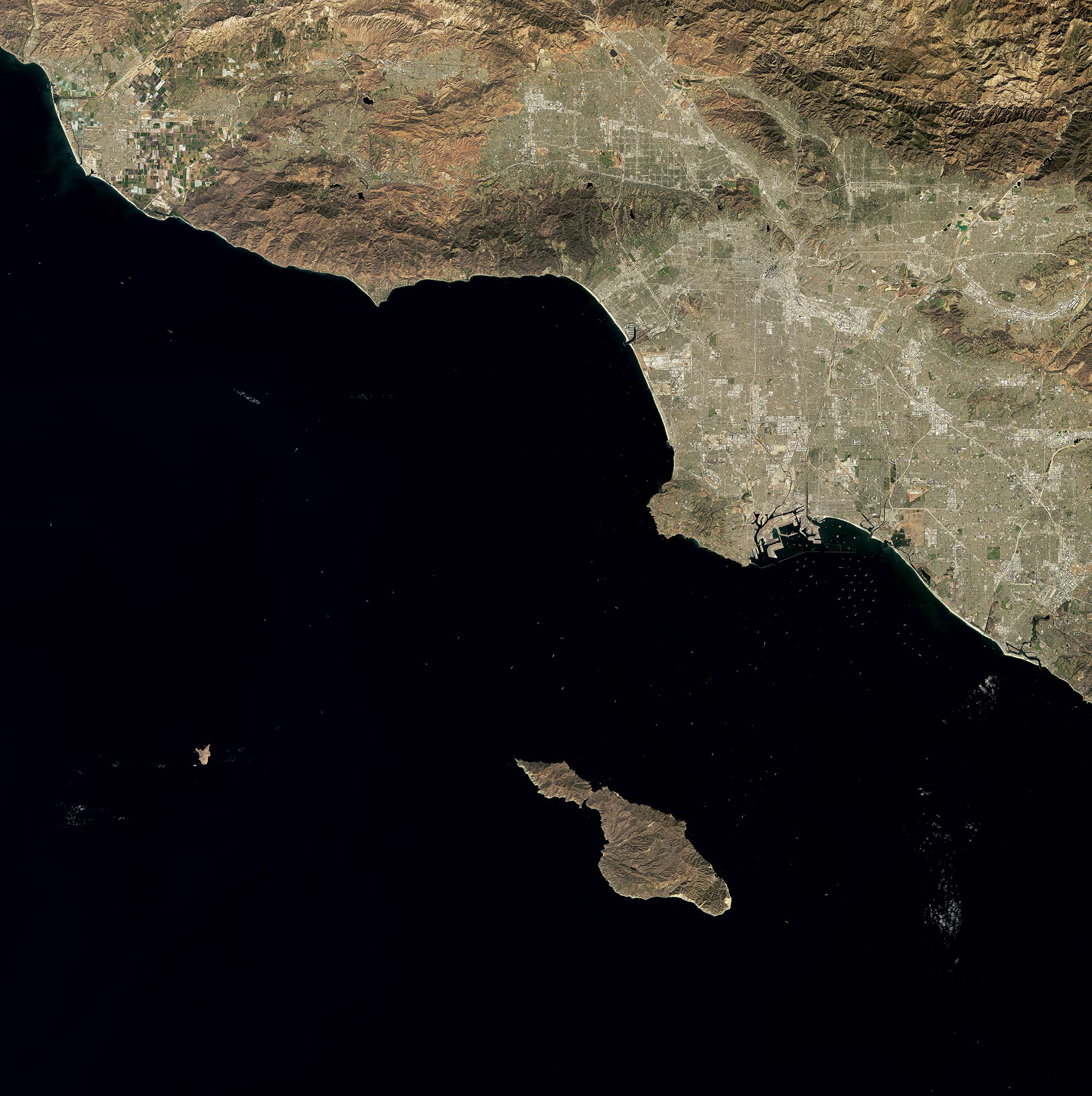
    The pandemic has disrupted global supply chains and markets in ways that have led to backlogs of cargo ships at key ports.

    Booming demand for consumer and goods, labor shortages, bad weather, and an array of COVID-related supply chain snarls are contributing to backlogs of cargo ships at ports around the world.

    Among those seaports are the Port of Los Angeles and Port of Long Beach in Southern California, the two busiest container ports in the United States. On October 10, 2021, the Operational Land Imager (OLI) on Landsat 8 captured this natural-color image of dozens of cargo ships waiting offshore for their turn to unload goods. On the same day, the Advanced Spaceborne Thermal Emission and Reflection Radiometer (ASTER) on NASA’s Terra satellite acquired similar imagery (below).

    Ports of LA and Long Beach Backup
    On October 10, 2021, NASA’s Advanced Spaceborne Thermal Emission and Reflection Radiometer (ASTER) instrument captured an image of over 70 ships waiting to dock and unload at the ports of Los Angeles and Long Beach, due to a supply-chain crunch. The image covers an area of 14 by 16 miles (23 by 25 kilometers). Credit: NASA/JPL-Caltech

    According to data released by the Marine Exchange of Southern California, there were 87 container ships in the vicinity of the two ports on that day. Twenty-seven ships were in berths and 60 were waiting (either anchored or floating in drift zones) offshore. The number of ships waiting was down from a record-high of 73 on September 19, 2021. The two ports have had unusually large numbers of waiting ships since June 2020. Before then, cargo ships rarely waited to unload.

    Ship backlogs at ports are not limited to Los Angeles. Elsewhere in the United States, ports in New York, New Jersey, Georgia, and Texas have faced similar challenges, according to news reports. Meanwhile, China’s Yantian port in Shenzhen has more than 67 container ships waiting, partly because tropical cyclone Kompasu caused the port to temporarily close. Ports in Malaysia, Singapore, Hong Kong, and Shanghai all had 10 or more container ships waiting in mid-October, according to Bloomberg.

    NASA-funded researchers have used satellites and other tools to track different ways that the COVID-19 pandemic has changed aspects of human activity and its impact on the environment. Researchers have tracked indicators ranging from air pollution and night time light activity and shipping. In particular, the Interagency Implementation and Advanced Concepts Team (IMPACT) at NASA’s Marshall Space Flight Center has been using artificial intelligence technology and high-resolution satellite imagery to track shipping activity at major U.S. ports.

    NASA Earth Observatory image by Joshua Stevens, using Landsat data from the U.S. Geological Survey.

    Never miss a breakthrough: Join the SciTechDaily newsletter.
    Follow us on Google and Google News.

    COVID-19 NASA NASA Earth Observatory Transportation
    Share. Facebook Twitter Pinterest LinkedIn Email Reddit

    Related Articles

    Toxic Toll: Where Warehouses Rise, So Does Air Pollution

    Navigating Drought: Panama Canal’s Shipping Snarl

    Satellite Observations Near Key U.S. Ports Show Unusual Shipping Activity and Backlogs May Be Affecting Air Quality

    COVID-19 Lockdowns Cut Pollution, but Not All of It – “It Was Kind of a Surprise”

    Dramatic NASA Satellite Images Show 30% Drop in Air Pollution Over Northeast U.S. From COVID-19 Lockdown

    Shocking Disappearance of Ecuador’s Tallest Waterfall

    NASA Satellite Captures a Dimming China Due to COVID-19 Shutdown

    Heading Off a Locust Invasion Using NASA Satellites

    Plankton-Fueled Agulhas Current Ocean Eddy Is 93 Miles Wide

    1 Comment

    1. Don on November 2, 2021 4:53 am

      Covid is known to be in sewage. Fecal indicators are known to be in ballast water. With ships accumulating on our shores and pathogens known to be spread by ballast water and sewage one can only wonder if any precautions are being taken to prevent or test for pathogens ballast water can spread or illegally dumped sewage.

      Reply
    Leave A Reply Cancel Reply

    • Facebook
    • Twitter
    • Pinterest
    • YouTube

    Don't Miss a Discovery

    Subscribe for the Latest in Science & Tech!

    Trending News

    Scientists Say This Simple Supplement May Actually Reverse Heart Disease

    Warming Oceans Could Trigger a Dangerous Methane Surge

    This Simple Movement Could Be Secretly Cleaning Your Brain

    Male Birth Control Breakthrough: Scientists Find Way To Turn Sperm Production Off and Back On

    A Common Vitamin Could Hold the Key to Treating Fatty Liver Disease

    New Research Shows Vitamin B12 May Hold the Key to Healthy Aging

    These Simple Daily Habits Can Quickly Improve Blood Pressure and Heart Risk Factors

    A Common Nutrient May Play a Surprising Role in Anxiety

    Follow SciTechDaily
    • Facebook
    • Twitter
    • YouTube
    • Pinterest
    • Newsletter
    • RSS
    SciTech News
    • Biology News
    • Chemistry News
    • Earth News
    • Health News
    • Physics News
    • Science News
    • Space News
    • Technology News
    Recent Posts
    • Scientists Just Exposed a 300 Million-Year-Old Fossil Mistake
    • Ravens Don’t Follow Wolves, They Predict Them
    • This Common Knee Surgery May Be Doing More Harm Than Good
    • Scientists Discover a New Way To Control Metals at the Atomic Scale
    • Scientists Create “Quantum Sound” Device That Works Near Absolute Zero
    Copyright © 1998 - 2026 SciTechDaily. All Rights Reserved.
    • Science News
    • About
    • Contact
    • Editorial Board
    • Privacy Policy
    • Terms of Use

    Type above and press Enter to search. Press Esc to cancel.