
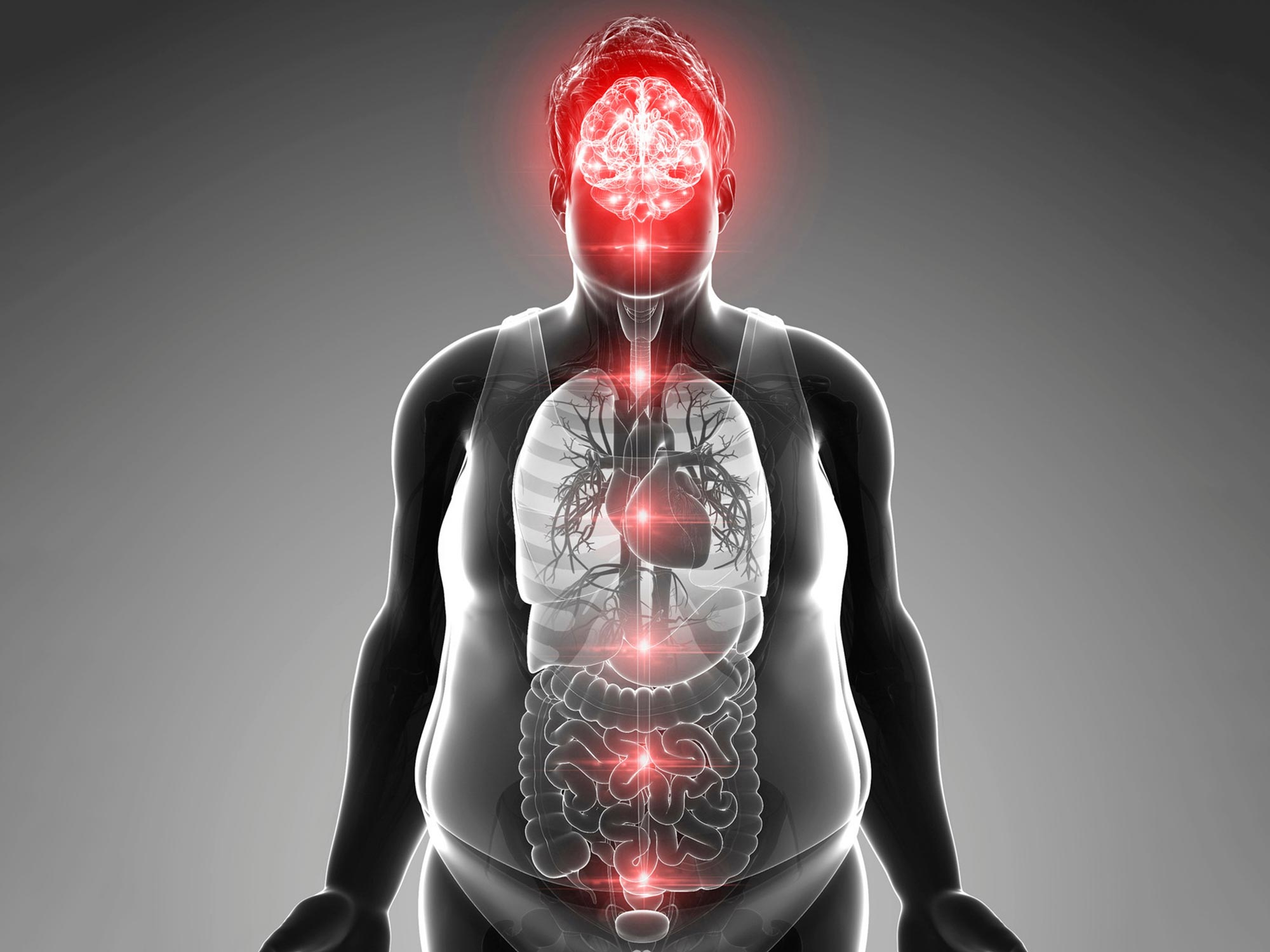
University of Colorado Boulder research shows that high-fat diets can disrupt gut health and increase anxiety by affecting brain chemistry, highlighting the importance of a balanced diet rich in healthy fats and diverse foods.
When feeling stressed, many of us seek comfort in junk food. However, new research from the University of Colorado Boulder suggests that this strategy might actually be counterproductive.
The study found that in animals, a high-fat diet disrupts resident gut bacteria, alters behavior and, through a complex pathway connecting the gut to the brain, influences brain chemicals in ways that fuel anxiety.
“Everyone knows that these are not healthy foods, but we tend to think about them strictly in terms of a little weight gain,” said lead author Christopher Lowry, a professor of integrative physiology at CU Boulder. “If you understand that they also impact your brain in a way that can promote anxiety, that makes the stakes even higher.”
Lowry’s team divided adolescent rats into two groups: Half got a standard diet of about 11% fat for nine weeks; the others got a high-fat diet of 45% fat, consisting mostly of saturated fat from animal products.
The typical American diet is about 36% fat, according to the Centers for Disease Control and Prevention.
Throughout the study, the researchers collected fecal samples and assessed the animals’ microbiome, or gut bacteria. After nine weeks, the animals underwent behavioral tests.
Impact on Brain Chemistry and Anxiety
When compared to the control group, the group eating a high-fat diet, not surprisingly, gained weight. But the animals also showed significantly less diversity of gut bacteria. Generally speaking, more bacterial diversity is associated with better health, Lowry explained. They also hosted far more of a category of bacteria called Firmicutes and less of a category called Bacteroidetes. A higher Firmicutes to Bacteroidetes ratio has been associated with the typical industrialized diet and with obesity.
The high-fat diet group also showed higher expression of three genes (tph2, htr1a, and slc6a4) involved in the production and signaling of the neurotransmitter serotonin—particularly in a region of the brainstem known as the dorsal raphe nucleus cDRD, which is associated with stress and anxiety.
While serotonin is often billed as a “feel-good brain chemical,” Lowry notes that certain subsets of serotonin neurons can, when activated, prompt anxiety-like responses in animals. Notably, heightened expression of tph2, or tryptophan hydroxylase, in the cDRD has been associated with mood disorders and suicide risk in humans.
“To think that just a high-fat diet could alter the expression of these genes in the brain is extraordinary,” said Lowry. “The high-fat group essentially had the molecular signature of a high anxiety state in their brain.”
Potential Pathways and Dietary Advice
Lowry suspects that an unhealthy microbiome compromises the gut lining, enabling bacteria to slip into the body’s circulation and communicate with the brain via the vagus nerve, a pathway from the gastrointestinal tract to the brain.
“If you think about human evolution, it makes sense,” Lowry said. “We are hard-wired to really notice things that make us sick so we can avoid those things in the future.”
Lowry stresses that not all fats are bad, and that healthy fats like those found in fish, olive oil, nuts, and seeds can be anti-inflammatory and good for the brain.
His advice: Eat as many different kinds of fruits and vegetables as possible, add fermented foods to your diet to support a healthy microbiome and lay off the pizza and fries. Also, if you do have a hamburger, add a slice of avocado. Some research shows that good fat can counteract some of the bad.
Reference: “High-fat diet, microbiome-gut-brain axis signaling, and anxiety-like behavior in male rats” by Sylvana I. S. Rendeiro de Noronha, Lauro Angelo Gonçalves de Moraes, James E. Hassell Jr., Christopher E. Stamper, Mathew R. Arnold, Jared D. Heinze, Christine L. Foxx, Margaret M. Lieb, Kristin E. Cler, Bree L. Karns, Sophia Jaekel, Kelsey M. Loupy, Fernanda C. S. Silva, Deoclécio Alves Chianca-Jr., Christopher A. Lowry and Rodrigo Cunha de Menezes, 6 May 2024, Biological Research.
DOI: 10.1186/s40659-024-00505-1
Never miss a breakthrough: Join the SciTechDaily newsletter.
Follow us on Google and Google News.