
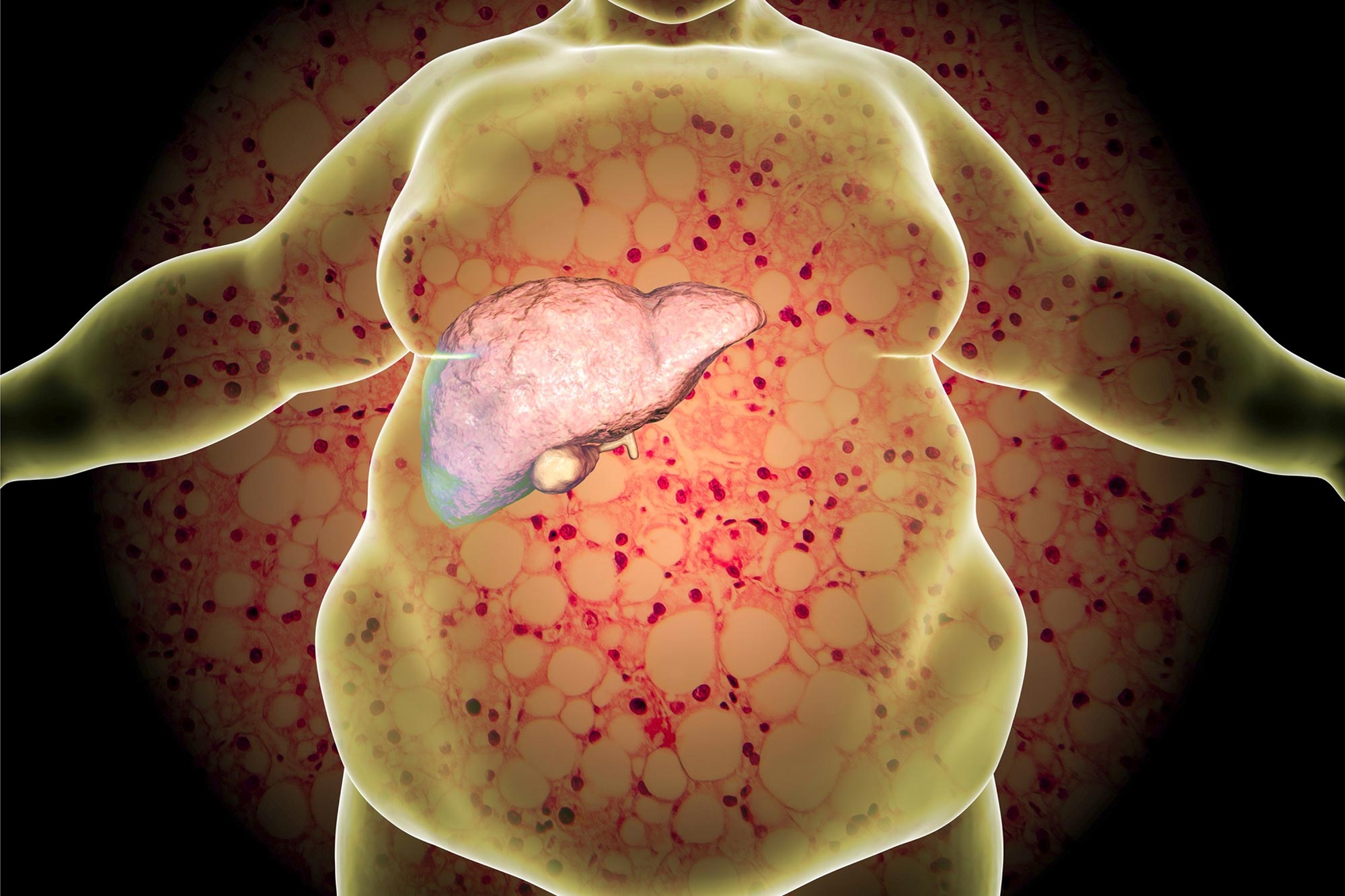
A Cleveland Clinic study reveals that bariatric surgery significantly reduces the risk of serious liver complications in patients with obesity and MASH-related cirrhosis.
The study followed patients for 15 years and found those who underwent surgery had a much lower chance of progressing to life-threatening stages compared to those on standard medical therapy. Experts suggest that bariatric surgery could be a game-changer for patients who have limited treatment options.
Bariatric Surgery Offers Hope for Liver Patients
A study conducted by Cleveland Clinic found that bariatric (weight-loss) surgery significantly reduces the risk of serious liver complications in patients with obesity and fatty liver-related cirrhosis. Patients who underwent surgery had a much lower chance of developing severe liver issues compared to those who received standard medical treatment. The findings were published today (January 27) in Nature Medicine.
Dr. Ali Aminian, director of Cleveland Clinic’s Bariatric & Metabolic Institute and lead author of the study, emphasized that bariatric surgery should be considered a treatment option for patients with both cirrhosis and obesity. “Bariatric surgery was associated with a 72% lower risk of developing serious complications of liver disease and an 80% lower risk of progression to decompensated stage among patients with compensated cirrhosis and obesity.”
The Growing Challenge of MASH-Related Cirrhosis
Metabolic dysfunction-associated steatohepatitis (MASH) is the most common form of chronic liver disease in the U.S., primarily caused by obesity and diabetes. When fat builds up in liver cells, it can lead to inflammation and scarring, which may eventually progress to cirrhosis. Around 20% of individuals with MASH develop late-stage liver scarring, and an estimated three million Americans are affected by MASH-related cirrhosis.
Cirrhosis is categorized into two distinct stages: compensated and decompensated. In the compensated stage, despite presence of considerable damage, the liver maintains sufficient residual function to support the body’s needs and patients can appear relatively healthy. In the decompensated stage, severe and life-threatening complications occur reflecting the liver’s inability to sustain vital functions and liver transplantation becomes essential for survival.
The Need for New Treatment Options
“Patients with MASH-related cirrhosis have extremely limited treatment options. Currently, no therapeutic interventions have demonstrated efficacy in mitigating the risk of severe liver complications within this patient population,” said Sobia Laique, M.D., a transplant hepatologist and the study coinvestigator at Cleveland Clinic. “This underscores a critical unmet need for the development of effective therapies specifically targeting patients with compensated MASH-related cirrhosis.”
The SPECCIAL Study Explained
The aim of the SPECCIAL (Surgical Procedures Eliminate Compensated Cirrhosis In Advancing Long-term) study was to examine the long-term outcomes of bariatric surgery on the risk of developing major liver complications in patients with obesity and compensated MASH-related cirrhosis, compared with nonsurgical management.
A group of 62 Cleveland Clinic’s patients with compensated MASH-related cirrhosis and obesity who had bariatric surgery were compared with a control group of 106 nonsurgical patients and followed for 15 years. Study participants had similar characteristics such as severity of liver disease at their baseline liver biopsy.
Bariatric Surgery Shows Lasting Benefits
Fifteen years after enrollment, study results show that 20.9% in the surgical group and 46.4% in the nonsurgical group developed one of the major complications of liver disease including liver cancer and death.
Over the course of 15 years, 15.6% in the surgical group and 30.7% in the nonsurgical group progressed from compensated cirrhosis to the decompensated stage. At 15 years, patients in the bariatric surgery group lost 26.6% (31.6 kg) of their weight and patients in the nonsurgical control group lost 9.8% (10.7 kg) of their weight.
Steven Nissen, M.D., Chief Academic Officer of the Heart, Vascular and Thoracic Institute at Cleveland Clinic and the study’s senior investigator, said: “Currently, lifestyle intervention is the only therapeutic recommendation for compensated MASH-related cirrhosis. However, lifestyle changes alone rarely provide the weight loss and metabolic changes needed to reduce the risk of liver complications in this patient population. The SPECCIAL study shows that bariatric surgery is an effective treatment that can influence the trajectory of cirrhosis progression in select patients.”
Implications and Future Research
The authors note that the SPECCIAL study is the first to examine long-term clinical outcomes after bariatric surgery in patients with MASH-related cirrhosis. In 2021, the Cleveland Clinic-led SPLENDOR study suggested bariatric surgery as the first effective treatment for MASH without cirrhosis.
Future research is needed to study the new generation of anti-obesity medications and whether they can provide similar benefits in this patient population.
Reference: “Long-term liver outcomes after metabolic surgery in compensated cirrhosis due to metabolic dysfunction-associated steatohepatitis” by Ali Aminian, Abdullah Aljabri, Sarah Wang, James Bena, Daniela S. Allende, Hana Rosen, Eileen Arnold, Rickesha Wilson, Alex Milinovich, Rohit Loomba, Arun J. Sanyal, Naim Alkhouri, Jamile Wakim-Fleming, Sobia N. Laique, Srinivasan Dasarathy, Arthur J. McCullough and Steven E. Nissen, 27 January 2025, Nature Medicine.
DOI: 10.1038/s41591-024-03480-y
Never miss a breakthrough: Join the SciTechDaily newsletter.
Follow us on Google and Google News.