

Crustal filtering of magma at hot spot volcanoes may hold the key to predicting eruptions more accurately.
Lava samples have revealed a new truth about the geological make-up of the Earth’s crust and could have implications for volcanic eruption early warning systems, a University of Queensland-led study has found.
UQ volcanologist Dr. Teresa Ubide said it was previously understood that cooled lava from so-called ‘hot spot’ volcanoes was ‘pristine’ magma from the melting mantle, tens of kilometers under the Earth’s surface.
“This isn’t quite the case – we’ve been misled, geologically deceived,” Dr. Ubide said.
“For decades, we have considered hot spot volcanoes to be messengers from the earth’s mantle, offering us a glimpse into what’s happening deep under our feet.
“But these volcanoes are extremely complex inside and filter a very different melt to the surface than what we’ve been expecting. This is due to the volcano’s intricate plumbing system that forces many minerals in the magma to crystallize.”
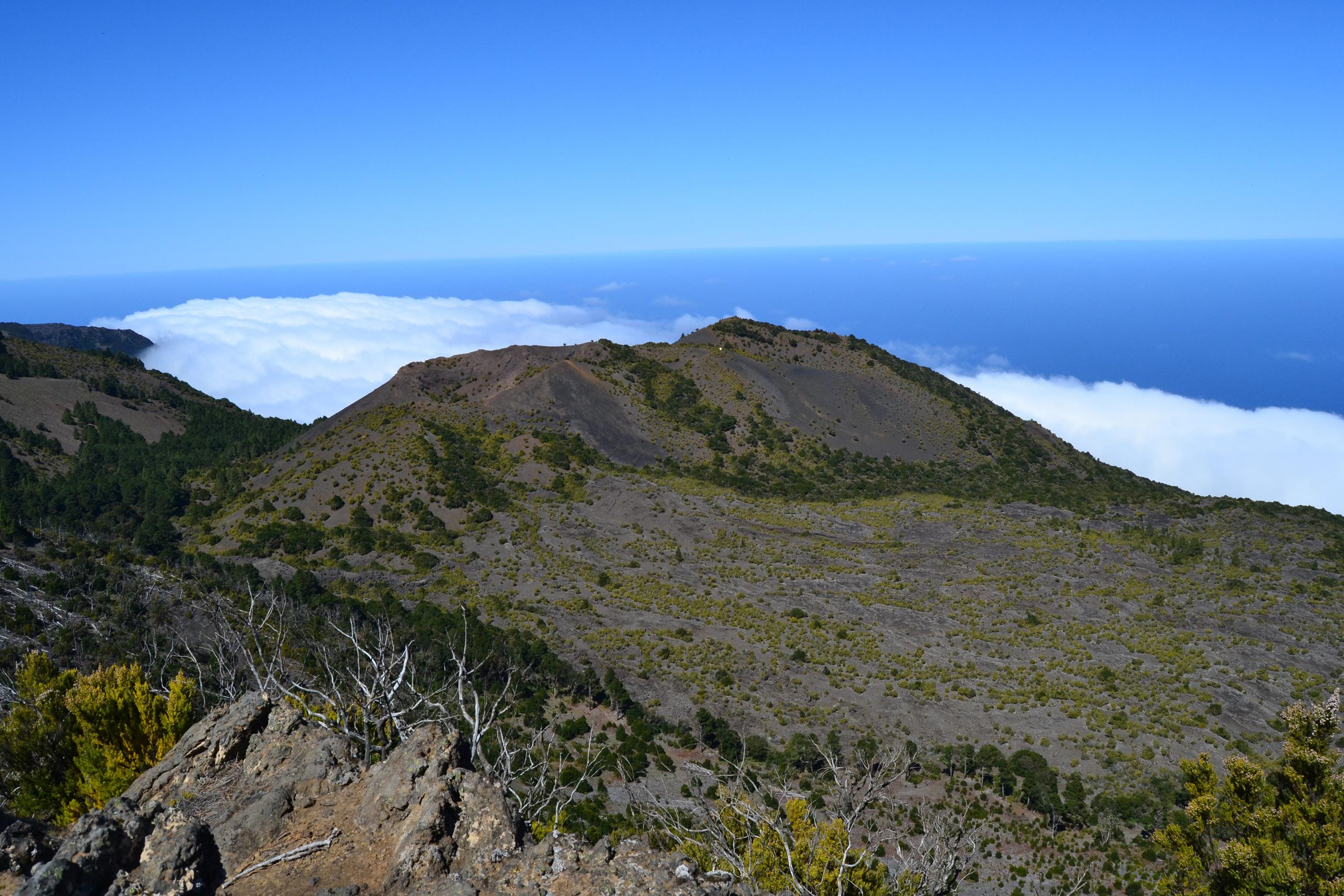
Crustal Filtering Alters Magma Chemistry
Dr. Ubide said the minerals are being recycled by the rising magma, changing their overall chemistry to ‘appear’ pristine, which is an important new piece of the jigsaw to better understand how ocean island volcanoes work.
“We have discovered that hot spot volcanoes filter their melts to become highly eruptible at the base of the Earth’s crust, situated several kilometers below the volcano,” she said.
“The close monitoring of volcanoes can indicate when magma reaches the base of the crust, where this filtering process reaches the ‘tipping point’ that leads to eruption.
Implications for Volcano Monitoring and Safety
“Our results support the notion that detection of magma at the crust-mantle boundary could indicate an upcoming eruption.
“This new information takes us one step closer to improving the monitoring of volcanic unrest, which aims to protect lives, infrastructure, and crops.”

Hot Spot Volcanoes Around the World
Hot spot volcanoes make up some of the world’s most beautiful landscapes, such as the Canary Islands in the Atlantic and Hawaii in the Pacific.
The international team of researchers analyzed new rock samples from the island of El Hierro, in Spain’s Canary Islands, just southwest of Morocco. This data was combined with hundreds of published geochemical data from El Hierro, including the underwater eruption in 2011 and 2012. The team then tested the findings on data from ocean island hot spot volcanoes around the world, including Hawaii.
Dr. Ubide said hot spot volcanoes are also found in Australia.
“South-east Queenslanders would be very familiar with the Glass House Mountains or the large Tweed shield volcano, which includes Wollumbin (Mount Warning) in New South Wales,” she said.
“Hot spot volcanoes can pop up ‘anywhere’, as opposed to most other volcanoes that occur due to tectonic plates crashing into each other, like the Ring of Fire volcanoes in Japan or New Zealand, or tectonic plates moving away from each other, creating, for example, the Atlantic Ocean.
“South-east Queensland hot spot volcanoes were active millions of years ago. They produced enormous volumes of magma and make excellent laboratories to explore the roots of volcanism.”
“There are even dormant volcanoes in South Australia, that could erupt with little warning, that would benefit from better geological markers for early detection.”
Reference: “Volcanic plumbing filters on ocean-island basalt geochemistry” by Teresa Ubide, Patricia Larrea, Laura Becerril and Carlos Galé, 14 September 2021, Geology.
DOI: 10.1130/G49224.1
Never miss a breakthrough: Join the SciTechDaily newsletter.
Follow us on Google and Google News.