
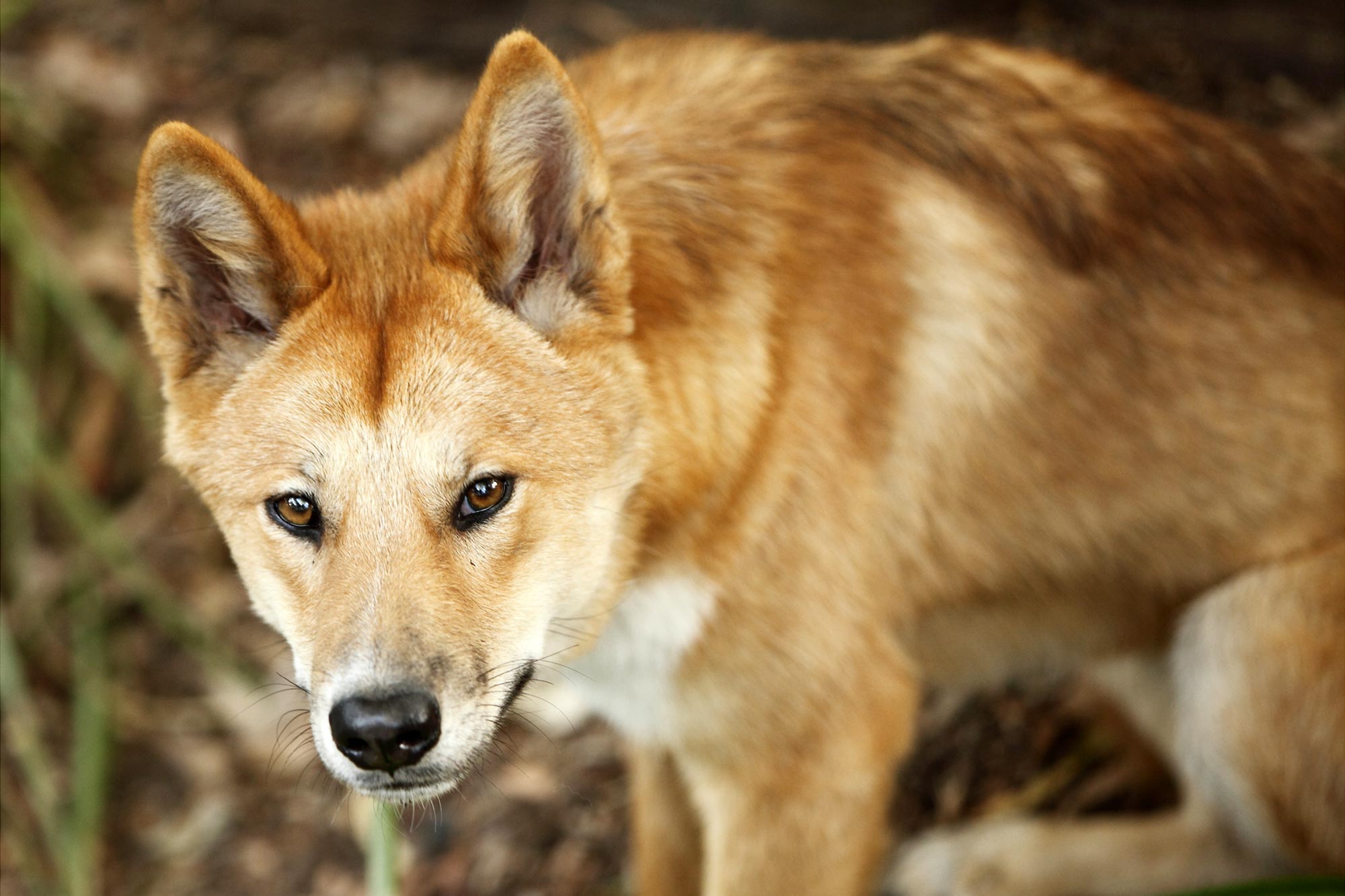
Research on ancient dingo DNA reveals the deep genetic roots and historical migration patterns of dingoes in Australia, dating back over 3000 years.
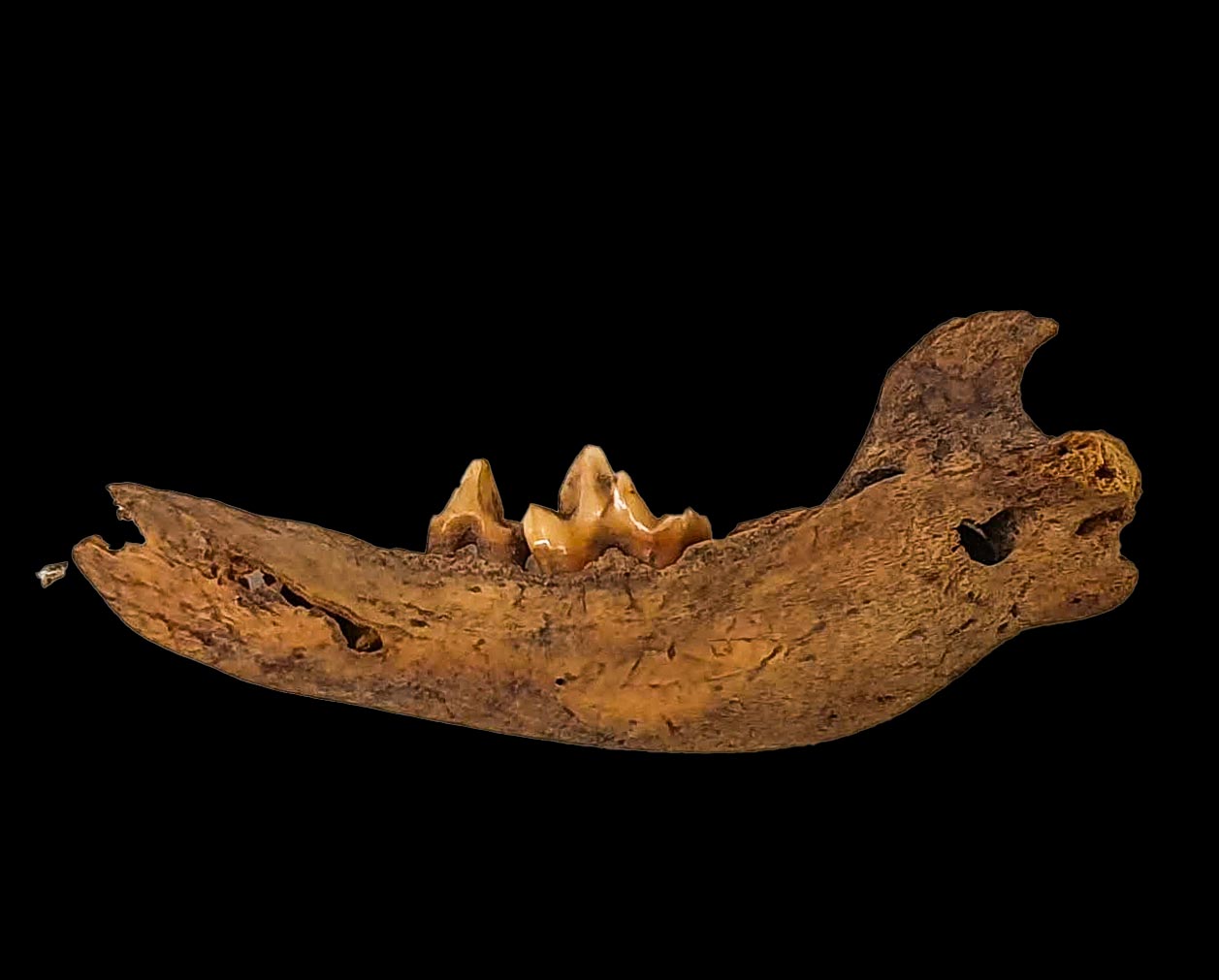
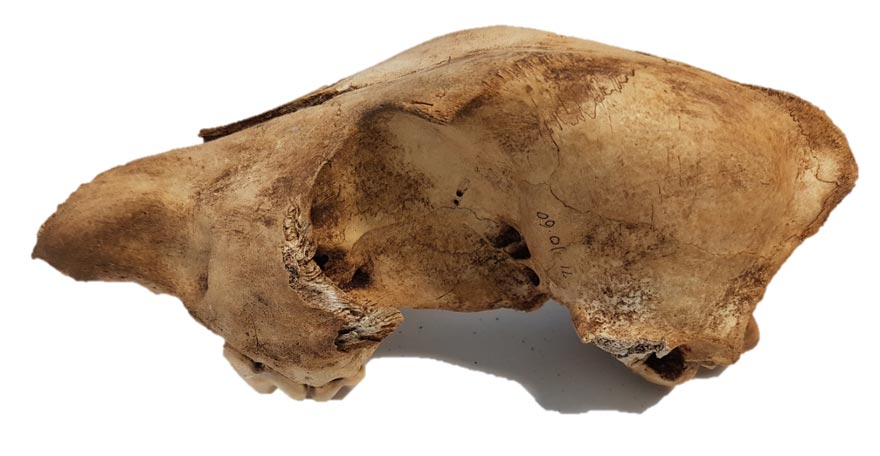
- DNA from fossilized dingo remains going back 2,746 years was compared with modern dingoes’
- Dingos arrived in Australia more than 3,000 years ago
- K’gari dingoes have no domestic dog ancestry – they are pure dingo
Co-lead author, paleogeneticist Dr. Sally Wasef, from QUT’s School of Biomedical Sciences said this dataset gave a rare glimpse into the pre-colonial genetic landscape of dingoes, free from any mixing with modern dog breeds.
“Consequently, [dingoes] are behaviourally, genetically, and anatomically distinct from domestic dogs,” Dr. Wasef said.
“Modern-day dingoes’ ancestors arrived in Australia more than 3000 years ago, most likely transported by seafaring people.
Uncovering Dingo Ancestry
“The samples we analyzed represent the oldest ancient DNA recovered in Australia and indicate broad possibilities of future DNA and conservation work that could be carried out on dingoes and other animals.
“Dingo populations are classified into east and west groups which were previously thought to have formed during post-colonial human activity.
“Our findings show, however, that dingoes’ population structure was already in place thousands of years ago and clarify the genetic heritage of dingoes, while highlighting the importance of using ancient DNA for wildlife conservation.
“For example, all K’gari dingoes we analyzed do not have any domestic dog ancestry, proving they preserve their full ancestral heritage.
Challenges in Dingo Conservation
“Although we studied only a small number of K’gari dingoes, our findings highlight the importance and usefulness of our pre-colonial ancient genomic data to conserving our unique native animals.
“Due to poor human behavior that causes some dingoes to become habituated to seeking food from tourists, several problem dingoes have been culled, which is concerning given their small population size.”
Ancient DNA Sheds Light on Dingo History
Co-lead author Dr. Yassine Souilmi, from the University of Adelaide’s Australian Centre for Ancient DNA and Environment Institute, said the unique dataset of ancient dingo DNA had helped to uncover crucial details about the ancestry and migration patterns of the modern-day dingo.
“Dingoes had distinct regional populations, split roughly along the Great Dividing Range, long before the European invasion of Australia, and certainly predating the dingo-proof fence,” Dr. Souilmi said.
“The DNA analysis also showed less interbreeding between dingoes and modern dogs than was previously thought, with our research confirming today’s dingoes retain much of their ancestral genetic diversity.
“Dingoes hold significant cultural importance to Aboriginal and Torres Strait Islander peoples and play an essential role in the Australian ecosystem.
“Understanding their historical population structure helps us preserve the dingo’s role in Australian ecology and culture.
“Dingoes are currently under threat from lethal culling programs, and our research highlights the importance of protecting populations in national parks and beyond.”
“Ancient genomes reveal over two thousand years of dingo population structure” was published in PNAS.
Reference: “Ancient genomes reveal over two thousand years of dingo population structure” by Yassine Souilmi, Sally Wasef, Matthew P. Williams, Gabriel Conroy, Ido Bar, Pere Bover, Jackson Dann, Holly Heiniger, Bastien Llamas, Steven Ogbourne, Michael Archer, J. William O. Ballard, Elizabeth Reed, Raymond Tobler, Loukas Koungoulos, Keryn Walshe, Joanne L. Wright, Jane Balme, Sue O’Connor, Alan Cooper and Kieren J. Mitchell, 8 July 2024, Proceedings of the National Academy of Sciences.
DOI: 10.1073/pnas.2407584121
Never miss a breakthrough: Join the SciTechDaily newsletter.
Follow us on Google and Google News.
3 Comments
“Consequently, [dingoes] are behaviourally, genetically, and anatomically distinct from domestic dogs,” Dr. Wasef said.
“Modern-day dingoes’ ancestors arrived in Australia more than 3000 years ago, most likely transported by seafaring people.”
Those two statements appear to be contradictory. Did he mean to say, “distinct from [modern] domestic dogs?” The dingoes appear similar to the wild ‘singing dogs’ in New Guinea.
So they were once dogs brought to Australia by a race of humans that disappeared… Common them globally and I think we all know what probably happened seeming we’ve witnessed it throughout history.
I suspect our interpretations are different. The “sea faring people” became the modern
Aborigines and the domesticated dogs became feral dogs, would be my interpretation.