
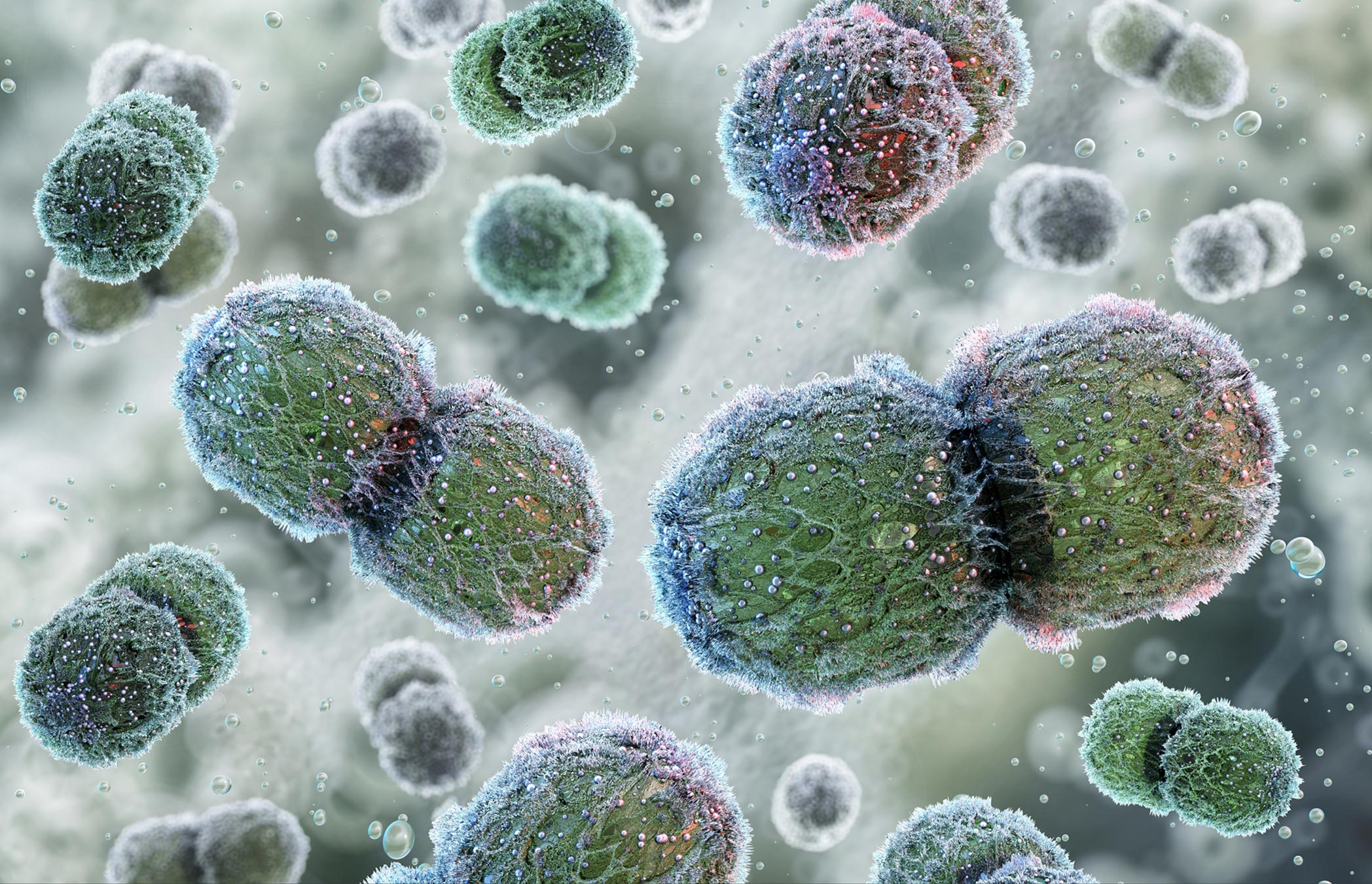
Researchers found that a common antibiotic-resistant bacterium prevents wounds from healing by chemically paralyzing skin cells rather than attacking them directly.
Scientists from an international research group led by Nanyang Technological University, Singapore (NTU Singapore), have identified an approach that may help chronic wounds heal faster, including wounds infected with antibiotic-resistant bacteria.
Chronic wounds are a serious global health burden. An estimated 18.6 million people develop diabetic foot ulcers[1] each year worldwide, and as many as one in three people with diabetes may face a foot ulcer at some point in their lives.
These long-lasting wounds are a major driver of lower limb amputations. They also often become trapped in a cycle of ongoing infection that keeps the body from repairing the damaged skin.
In Singapore, chronic wounds, including diabetic foot ulcers, pressure injuries, and venous leg ulcers, are becoming more common. More than 16,000 cases occur each year, especially among older adults and people with diabetes.[2]
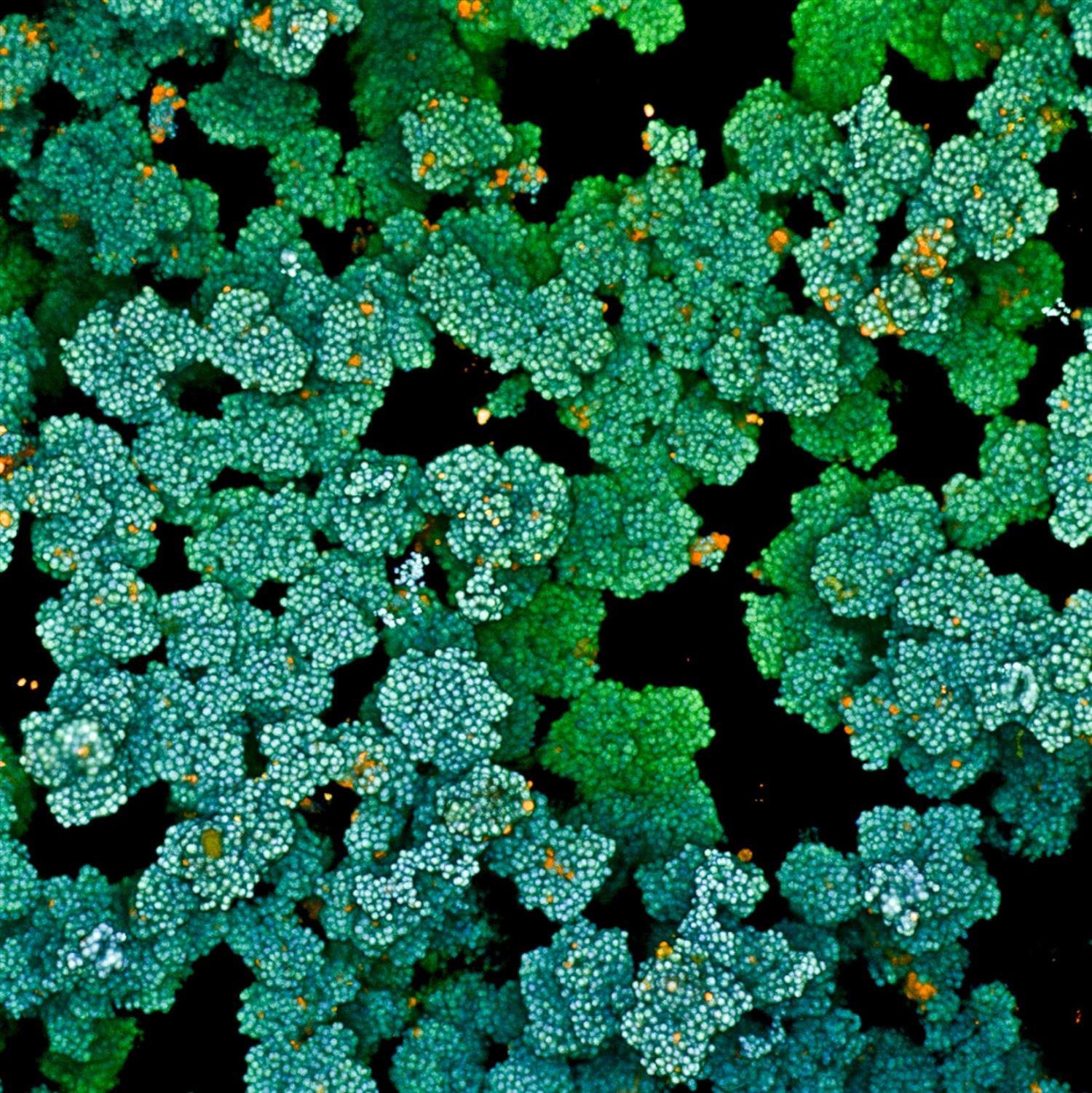
The Bacterium That Keeps Wounds From Closing
In a study published in Science Advances, researchers working with collaborators at the University of Geneva, Switzerland, found that a widespread bacterium called Enterococcus faecalis (E. faecalis) can actively interfere with wound healing. They also showed that blocking the key biological effect can help skin cells recover and close the wound.
E. faecalis is an opportunistic pathogen that often appears in chronic infections such as diabetic foot ulcers. These wounds can be extremely hard to treat and may fail to heal, raising the risk of complications and amputation.
Another challenge is rising antibiotic resistance in E. faecalis. Some strains no longer respond to several commonly used antibiotics, which can make infections much harder to manage.
Doctors and scientists have long known that infections can slow healing, but the specific biological reason this happens has not been well understood.
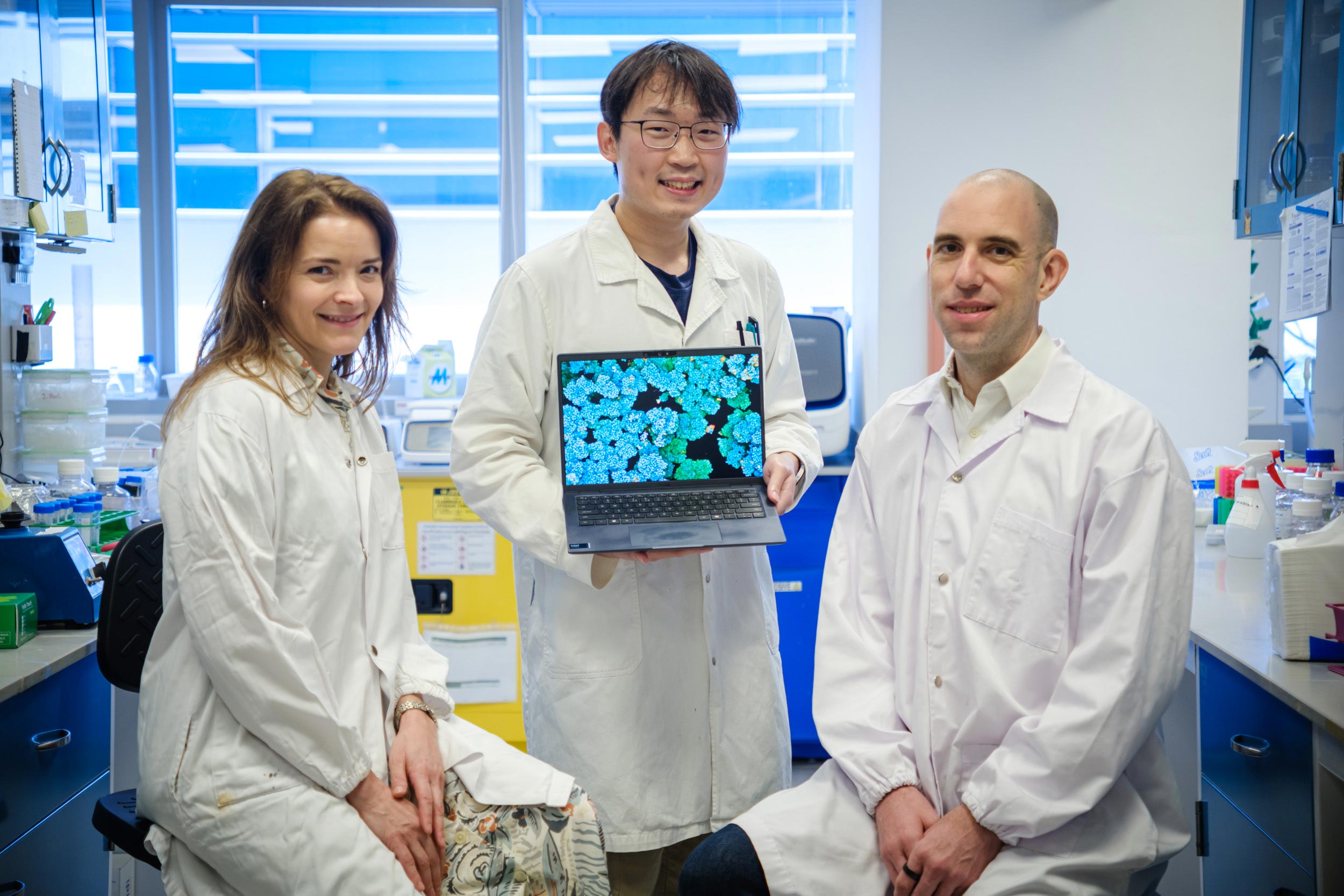
The work was jointly led by NTU Associate Professor Guillaume Thibault from the School of Biological Sciences and Professor Kimberly Kline from the University of Geneva, who is a visiting professor at SCELSE – Singapore Centre for Environmental Life Sciences and Engineering, at NTU.
How Bacterial Metabolism Triggers Cell Stress
The researchers found that E. faecalis behaves differently from many other wound infecting bacteria. Rather than relying mainly on toxins, it releases a metabolic product called reactive oxygen species (ROS) that disrupts the normal healing behavior of human skin cells.
The Healing Blocker Hydrogen Peroxide and EET
First author NTU Research Fellow Dr Aaron Tan discovered that E. faecalis uses a metabolic process called extracellular electron transport (EET). This process continually generates hydrogen peroxide, a highly reactive oxygen species that can harm living tissue.
In infected wounds, the bacterium produces hydrogen peroxide that damages human skin cells by causing oxidative stress.
Lab tests showed that oxidative stress activates a cellular defense program in keratinocytes, the skin cells that help repair wounds, called the “unfolded protein response.”
Normally, the unfolded protein response helps cells cope with damage by slowing protein production and other essential activities so the cells can recover.
But when this stress program is switched on, it can effectively paralyze the cells, stopping them from moving to close the wound. That movement is known as migration.
To confirm the role of this pathway, the team tested a genetically modified strain of E. faecalis that lacked the EET pathway. Those bacteria produced far less hydrogen peroxide and could no longer prevent wound healing.
This result showed that the metabolic pathway is a central reason E. faecalis can disrupt skin repair. The researchers then asked whether neutralizing hydrogen peroxide could undo the harm.
A Potential Treatment That Avoids Antibiotics
When the team treated the affected skin cells with catalase, a naturally occurring antioxidant enzyme that breaks down hydrogen peroxide, cellular stress decreased, and the cells regained their ability to migrate and heal.
This points to a different way to deal with antibiotic-resistant E. faecalis. Instead of trying to kill or stop the bacteria with antibiotics, the approach focuses on reducing the damage they cause.
“Our findings show that the bacteria’s metabolism itself is the weapon, which was a surprise finding previously unknown to scientists,” said Assoc Prof Thibault, who is also the Assistant Dean (International Engagement) at the College of Science.
“Instead of focusing on killing the bacteria with antibiotics, which is becoming increasingly difficult and leads to future antibiotic resistance, we can now neutralize it by blocking the harmful products it generates and restoring wound healing. Instead of targeting the source, we neutralize the actual cause of the chronic wounds – the reactive oxygen species.”
The study directly connects bacterial metabolism to problems inside the host’s cells, suggesting a new treatment strategy for chronic wounds.
The researchers say wound dressings infused with antioxidants such as catalase may become an effective future option.
Because antioxidants like catalase are already widely used and well understood, the team believes this approach could move from lab research to clinical use faster than developing a new drug.
Since the mechanism was demonstrated using human skin cells, the findings are relevant to human physiology and could help guide new treatments for people living with non-healing wounds.
Next, the researchers plan to move toward human clinical trials after identifying the best way to deliver antioxidants, based on ongoing animal model studies.
Notes
- Armstrong, D. G. (2023). Diabetic Foot Ulcers: A Review. PubMed. Retrieved from https://pubmed.ncbi.nlm.nih.gov/37395769/
- Goh, O. Q., et al. (2023). Chronic wounds in a multiethnic Asian population: a cost of illness study [Abstract]. BMJ Open. Retrieved from https://pmc.ncbi.nlm.nih.gov/articles/PMC10510887/
Reference: “Enterococcus faecalis redox metabolism activates the unfolded protein response to impair wound healing” by Aaron Ming Zhi Tan, Cenk Celik, Stella Yue Ting Lee, Mark Veleba, Caroline S. Manzano, Rahim M. K. Abdul, Guillaume Thibault and Kimberly A. Kline, 16 January 2026, Science Advances.
DOI: 10.1126/sciadv.aeb5297
Never miss a breakthrough: Join the SciTechDaily newsletter.
Follow us on Google and Google News.
2 Comments
Interesting would enzymes fight off Lyme confections & biofilms protecting the bactIasincerley Clint
[email protected] 814-482-0030
Generally infection resistant since first learning-of and adjusting-for multiple very, very mild food allergy reactions (e.g., “The Pulse Test” by Dr. Arthur F. Coca, 1956), aggravated with added MSG in early 1981 (later learned), during 7 months now following only partially successful medical treatment of “Bells Palsy” on my right side (last June), last August a bruise on my right shin failed to heal on it’s own. It developed a large blister which I ultimately drained, cleaned with antibiotic hand soap and covered overnight with a large fabric bandage. It gradually arose again and a couple of weeks later I again drained it, cleaned it with alcohol and bandaged it overnight, and began treating it with a near IR laser hand wand (VEVOR, Model HD-CureS) I bought for treating my arthritis, with no obvious benefit. Treating my then chronic wound for about 5 minutes a day for a few weeks, it now appears to be fully cured. Certainly not a scientific study but, absent a new catalase based cure, perhaps my method (same/other near IR devices?) could help others with chronic wounds. Better yet, identifying and avoiding my kind of food allergy reactions may help prevent diabetes and chronic wounds by mitigating chronic inflammation and uric acid (ROS) production.