
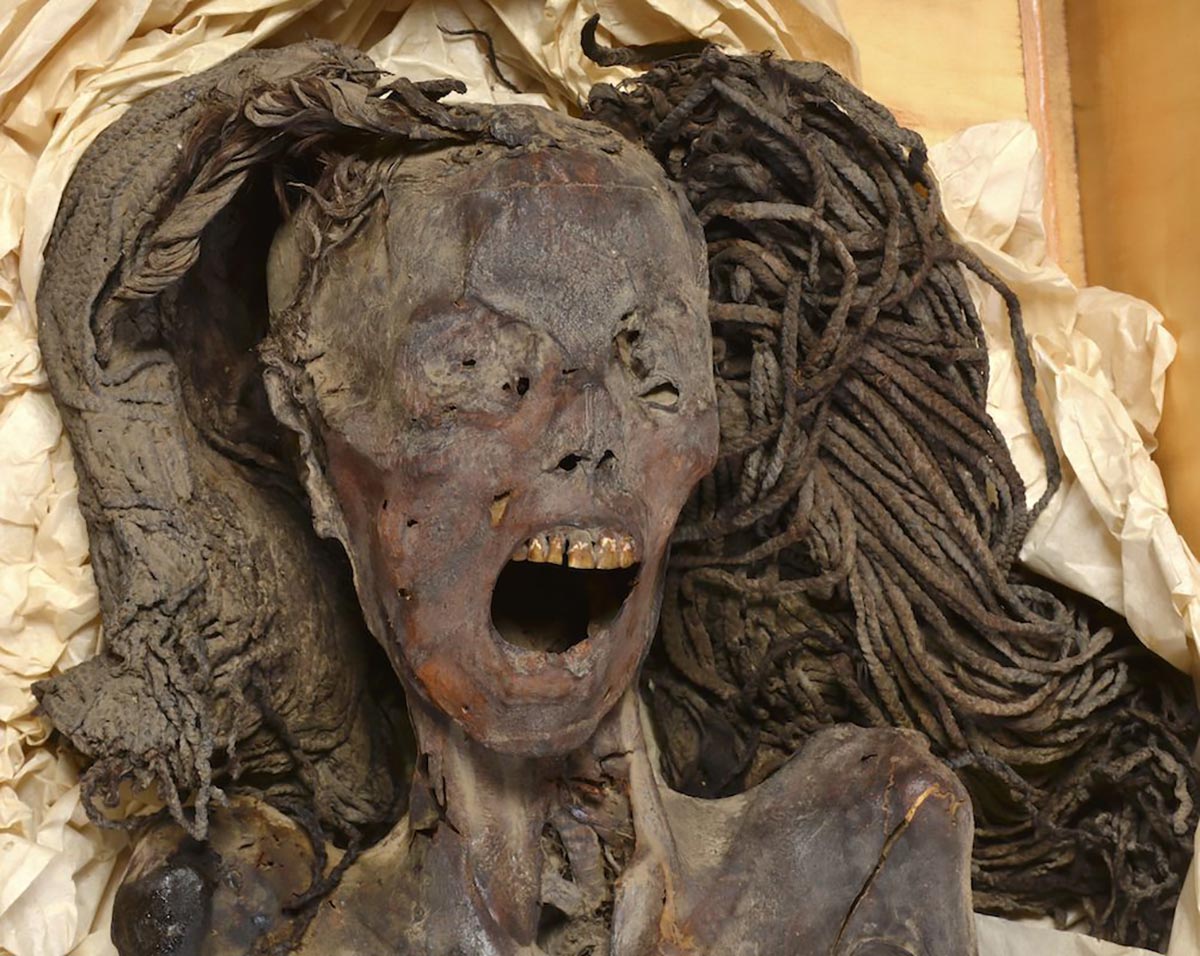
Scientific analysis of the Screaming Woman mummy showed she was embalmed with expensive materials and maintained her internal organs, challenging typical mummification norms. Her expression could be due to a death in extreme pain.
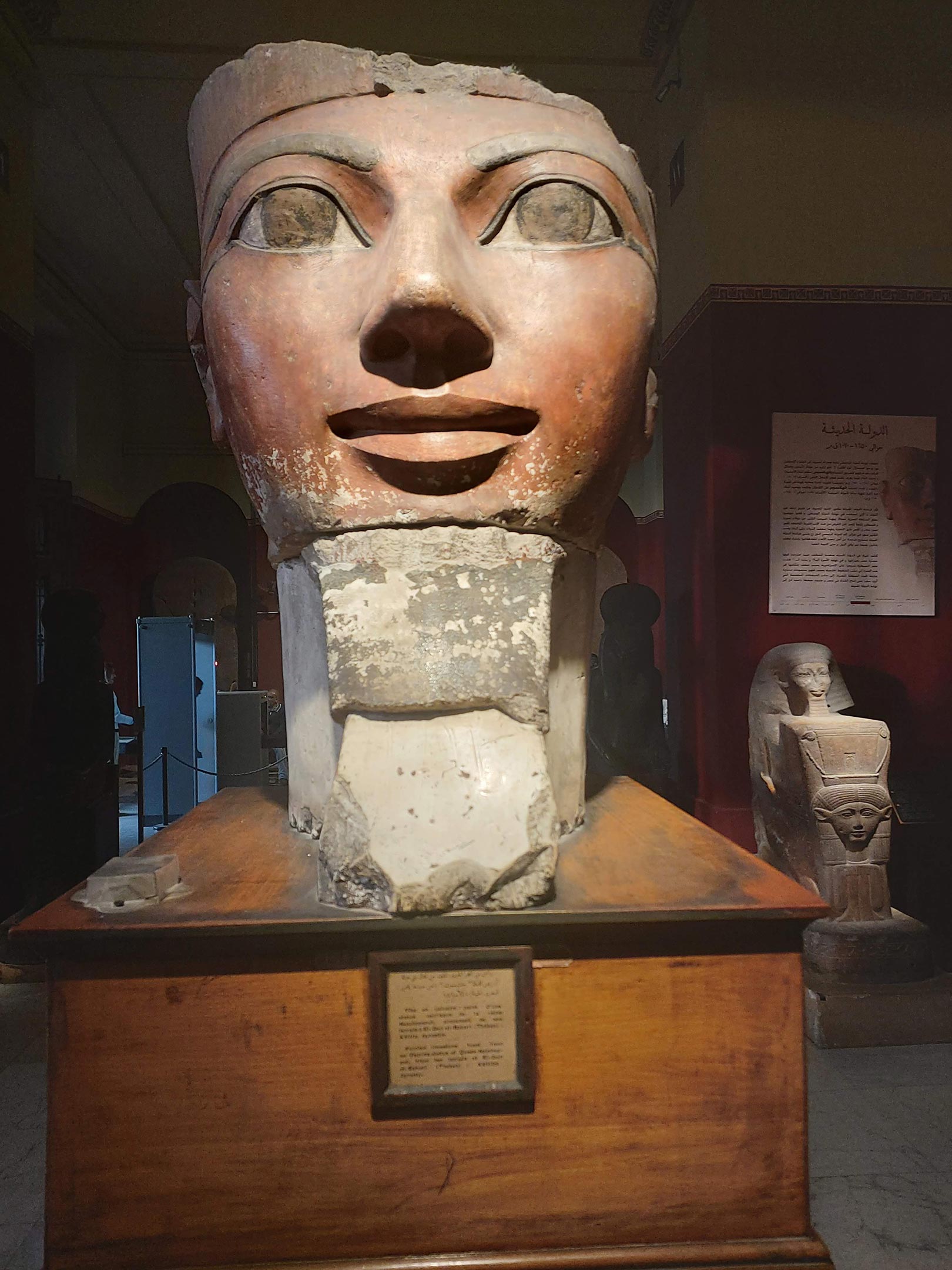
In 1935, the Metropolitan Museum of New York led an archaeological expedition to Egypt. In Deir Elbahari near Luxor, the site of ancient Thebes, they excavated the tomb of Senmut, the architect and overseer of royal works – and reputedly, lover – of the famed queen Hatschepsut (1479-1458 BCE). Beneath Senmut’s tomb, they found a separate burial chamber for his mother Hat-Nufer, and other relatives whose identities remain known.
Unveiling the Screaming Woman
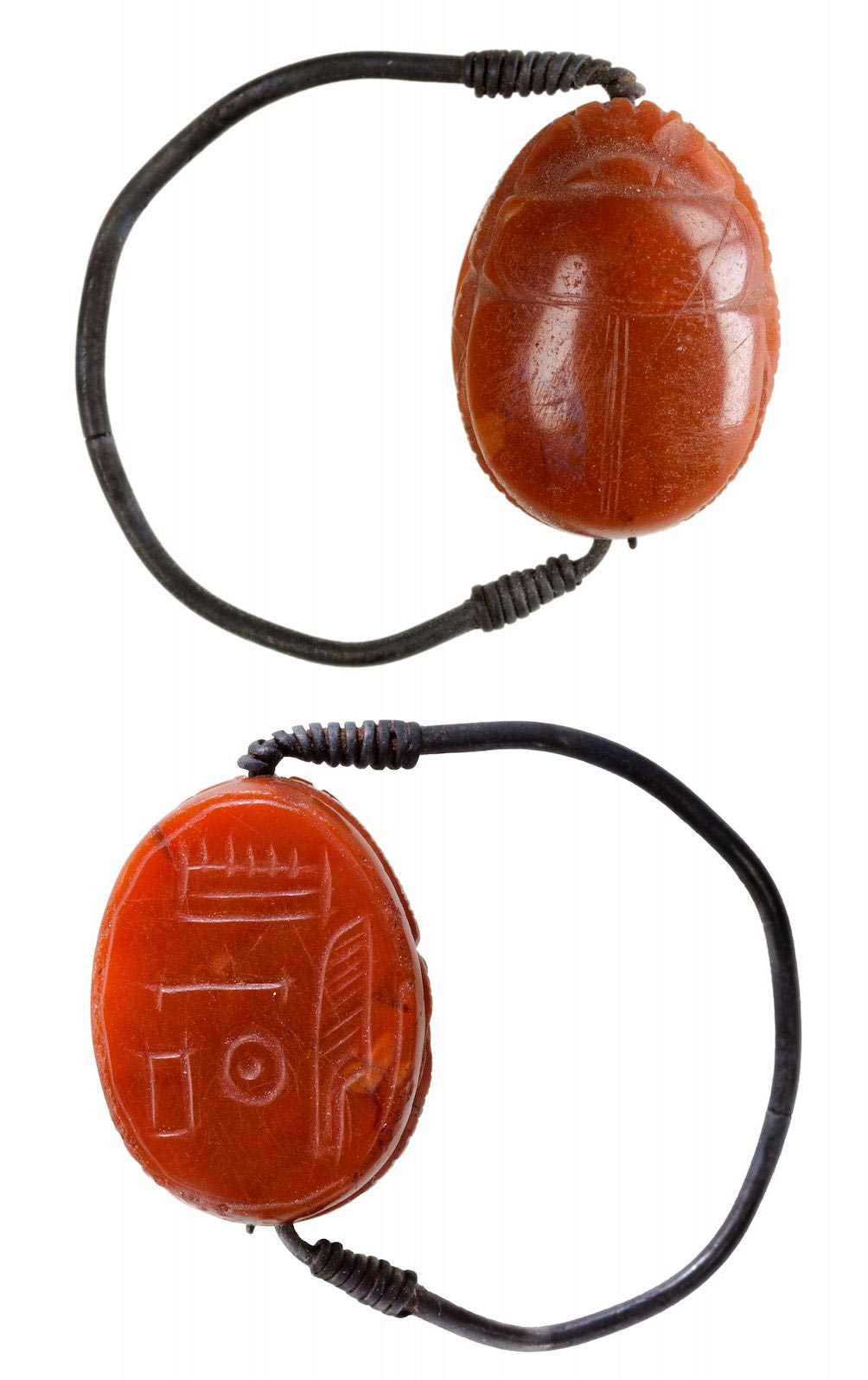
Within this burial chamber, they discovered a wooden coffin holding the mummy of an elderly woman, wearing a black wig and two scarab rings in silver and gold. But what struck the archaeologists was the mummy’s expression: with the mouth wide open, as if locked in a scream. They dubbed her the ‘Screaming Woman’.
In a new study published in Frontiers in Medicine, researchers from Egypt have used the most advanced scientific techniques to examine the Screaming Woman and learn about her life and death.
Advanced Embalming Techniques
“Here we show that she was embalmed with costly, imported embalming material. This, and the mummy’s well-preserved appearance, contradicts the traditional belief that a failure to remove her inner organs implied poor mummification,” said Dr. Sahar Saleem, a professor of radiology at Kasr Al Ainy Hospital of Cairo University.
Until 1998, the Screaming Woman had been kept at Kasr Al Ainy School of Medicine in Cairo, where in the 1920s and 1930s researchers studied many royal mummies, including Tutankhamun. Subsequently, she was moved to the Cairo Egyptian Museum at the request of the Ministry of Antiquities. Ever since 1935, the mummy’s coffin and rings have been displayed at the Metropolitan Museum of New York.
Mummy’s Condition and Scientific Analysis
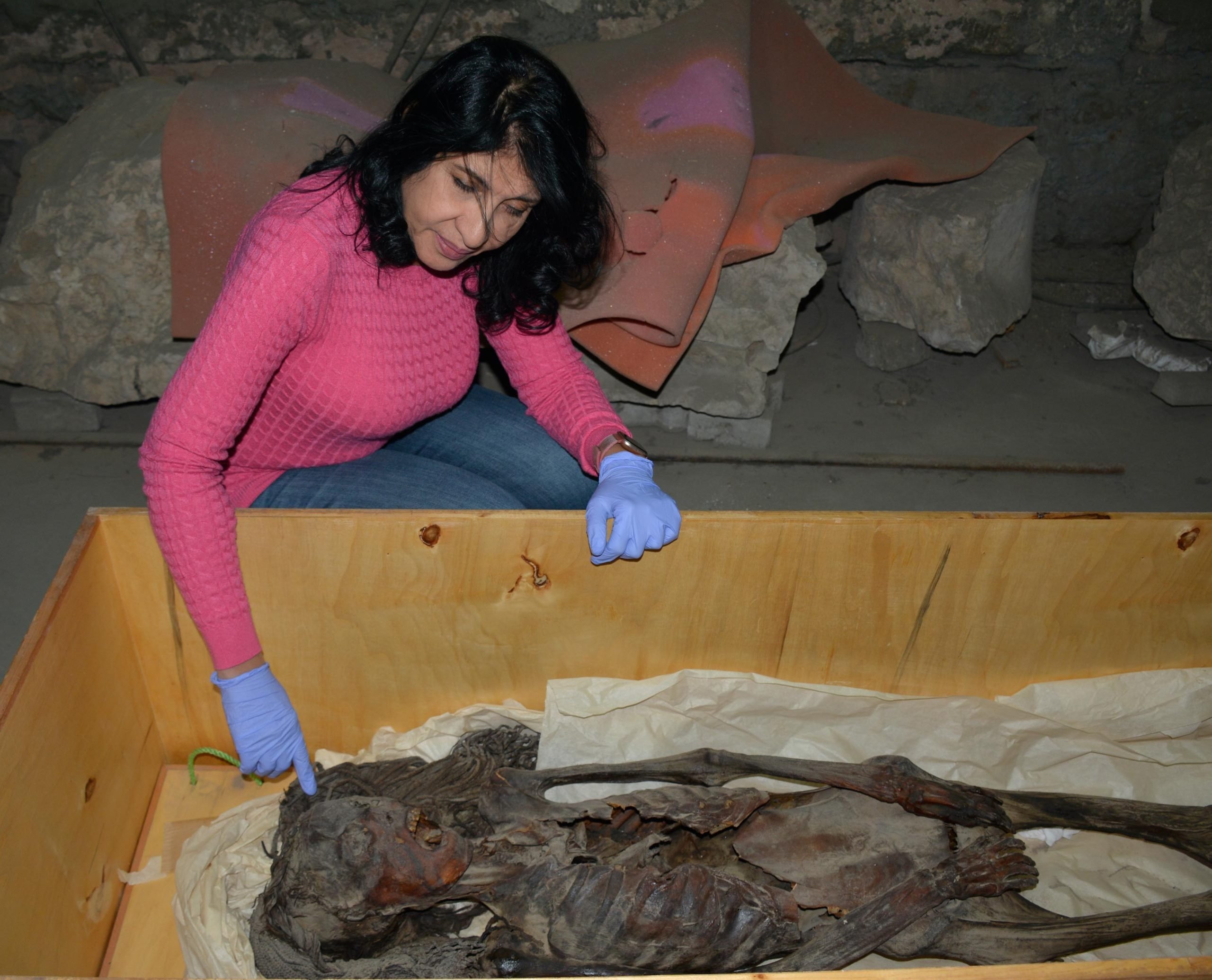
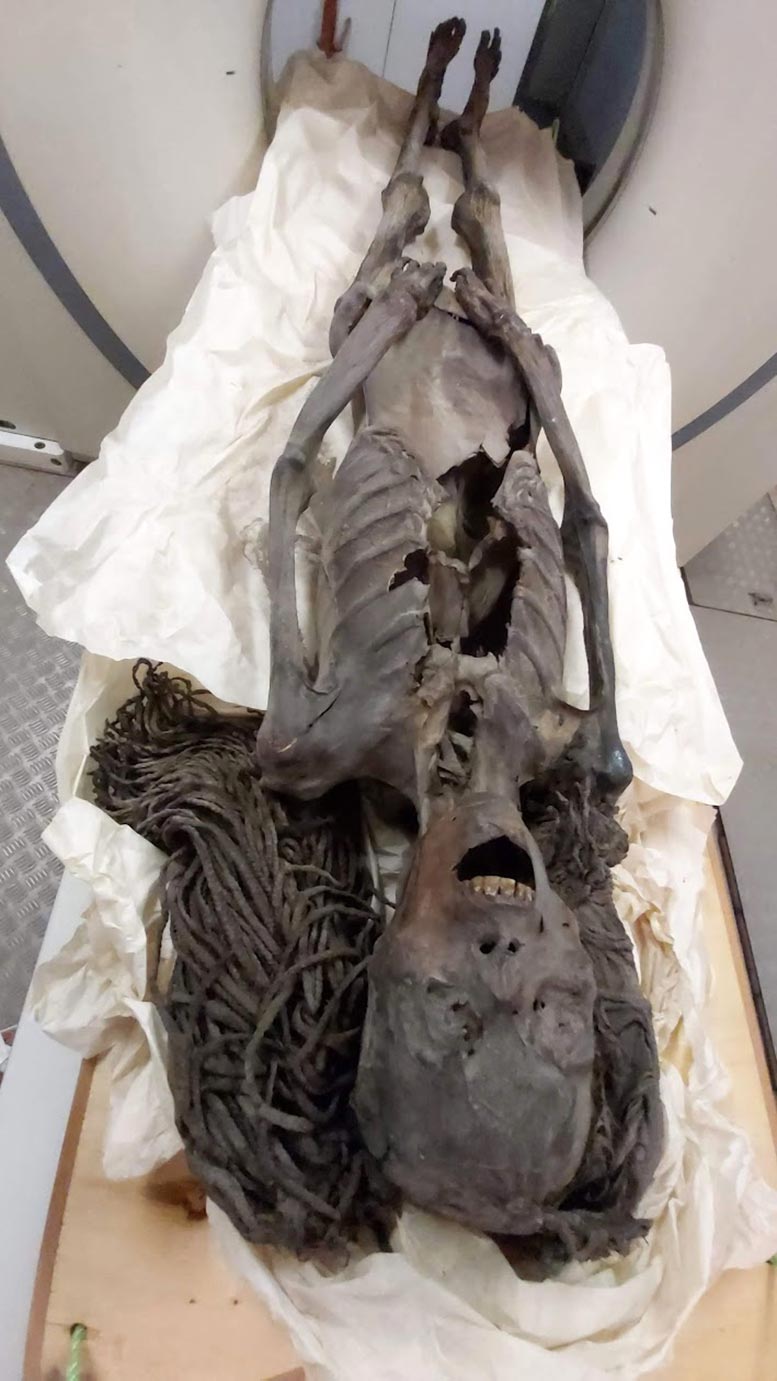
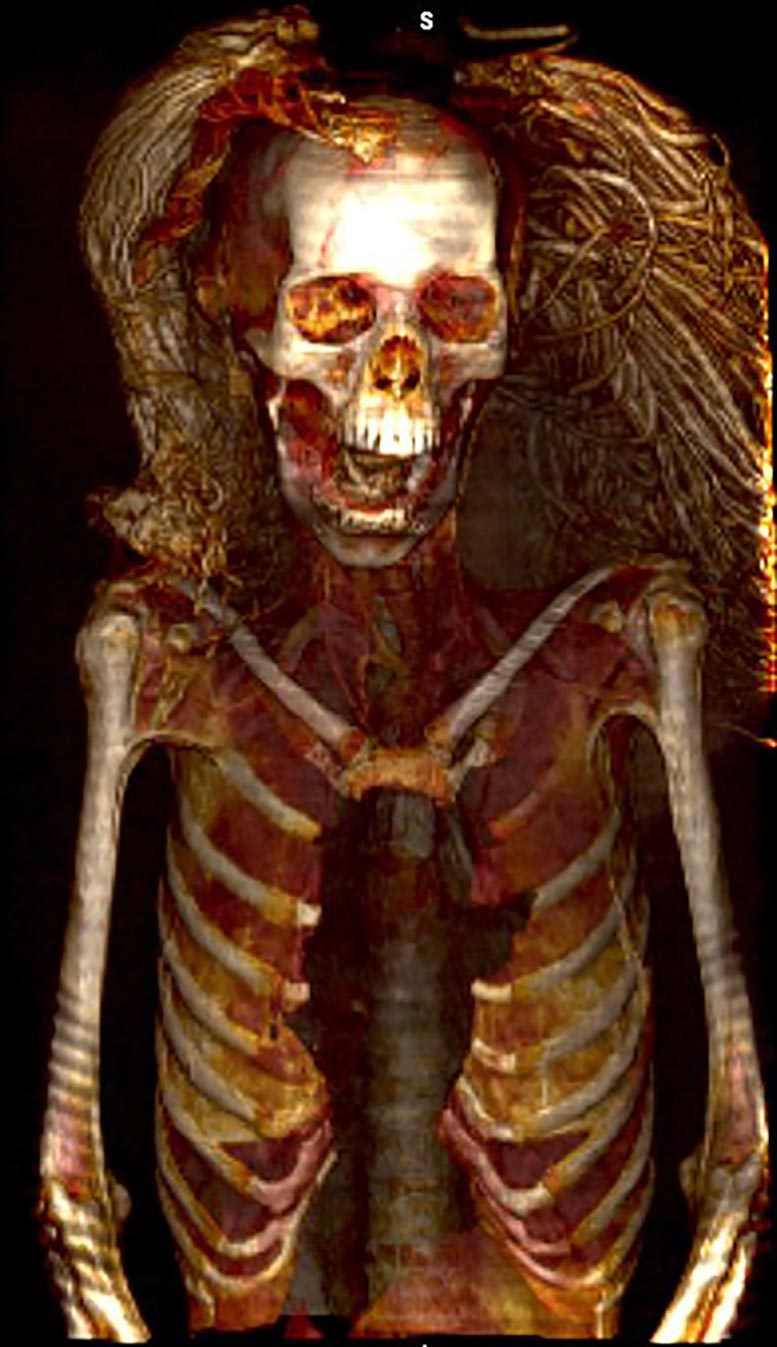
Saleem used CT scans to ‘virtually dissect’ the mummy and estimate her age, identify pathologies, and state of preservation. Saleem and her co-author Dr. Samia El-Merghani also used advanced techniques like scanning electron microscopy (SEM), Fourier transform infrared spectroscopy (FTIR), and x-ray diffraction analysis (XRD) to identify the materials.
The authors found that the mummy was still in good condition even 2,500 years after its burial. The investigation enacted 89 years after the discovery of the mummified woman shows her unwrapped, lying supine with her legs extended and her hands folded above the groin. She lacked several teeth – likely lost before death, as there was evidence of bone resorption, which occurs when a tooth comes out and the socket is left to heal. Other teeth were broken or showed signs of attrition.
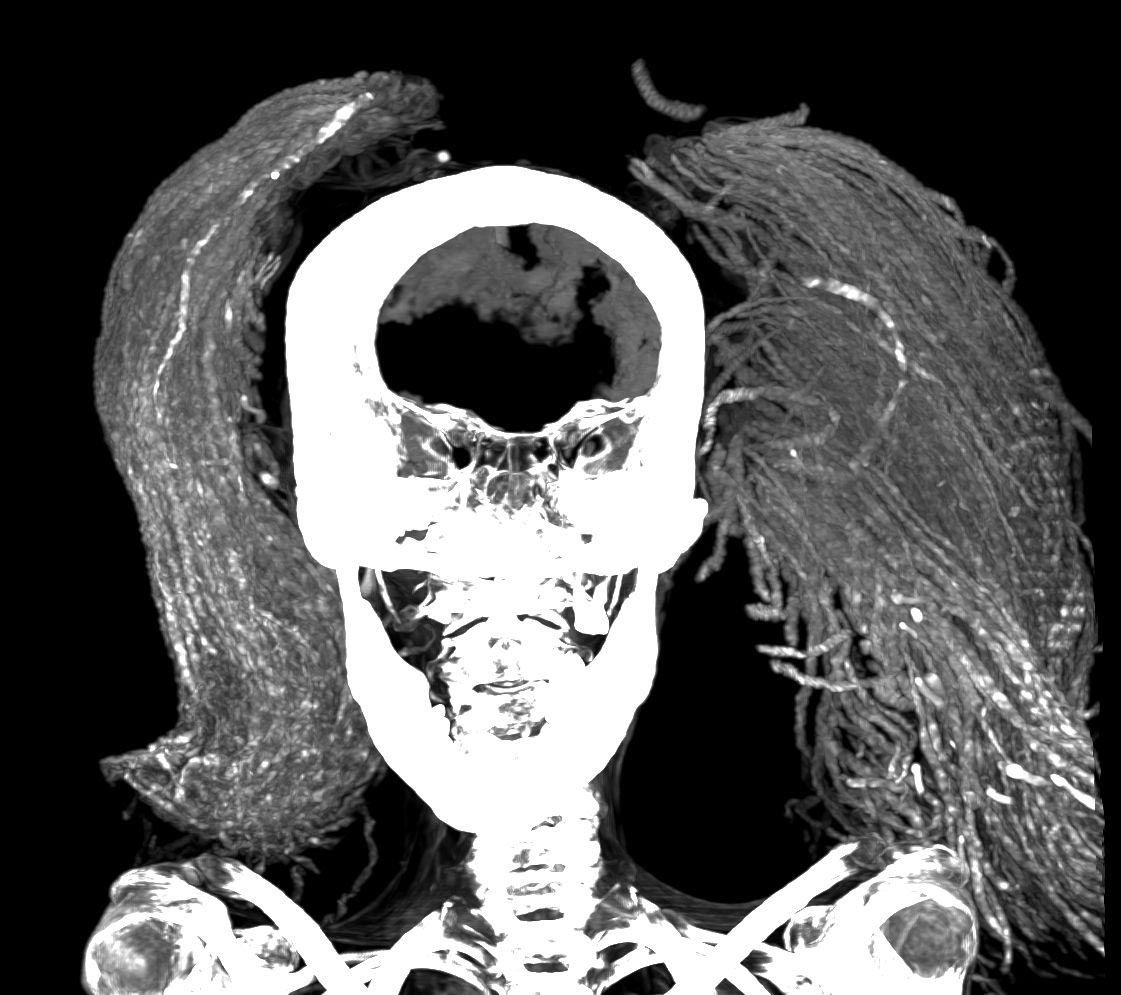
“Teeth lost during life may have been extracted. Dentistry had originated in ancient Egypt, with Hesy Re the first recorded physician and dentist in the world,” said Saleem.
From 2D and 3D CT images, Saleem estimated that the Screaming Woman had been 1.54 meters tall in life. From the morphology of the joint between the two pelvic bones, which smoothens with age, the CT images estimated that she was approximately 48 years old at the time of her death. She had suffered from mild arthritis of the spine, as evident from the presence of osteophytes or ‘bone spurs’ on the vertebrae.
Saleem found no embalming incision, which was consistent with the discovery that the brain, diaphragm, heart, lungs, liver, spleen, kidneys, and intestine were still present. This was a surprise, as the classic method of mummification in the New Kingdom (1550–1069 BCE) included the removal of all such organs except the heart.
Insights into Ancient Embalming and Trade
FTIR analysis of her skin showed that the Screaming Woman had been embalmed with juniper and frankincense, costly materials that had to be imported into Egypt from the Eastern Mediterranean and East Africa or Southern Arabia, respectively. Likewise, her natural hair had been dyed with henna and juniper. The long wig, made from fibers from the date palm, had further been treated with quartz, magnetite, and albite crystals, probably to stiffen the locks and give them the black color favored by ancient Egyptians because it represented youth.
“These findings support the ancient trade of embalming materials in ancient Egypt. The expedition led by Queen Hatshepsut brought frankincense from Punt (possibly Somalia in Africa). The tomb of Tutankhamun also contained frankincense and juniper,” said Saleem.
There was no obvious cause of death.
Interpretation of the Screaming Expression
But what had caused the mummy’s unforgettable expression? The rarity of the embalming material seemed to rule out that the mummification process had been careless and that the embalmers had simply neglected to close her mouth.
“The mummy’s screaming facial expression in this study could be read as a cadaveric spasm, implying that the woman died screaming from agony or pain,” hypothesized Saleem.
Cadaveric spasm is a rare form of muscular stiffening, typically associated with violent deaths under extreme physical conditions and intense emotion.
“The Screaming Woman is a true ‘time capsule’ of the way that she died and was mummified,” concluded Saleem.
Reference: “Paleoradiological and scientific investigations of the screaming woman mummy from the area beneath Senmut’s (1479–1458 BC) Theban tomb (TT71)” by Sahar N. Saleem and Samia El-Merghani, 11 June 2024, Frontiers in Medicine.
DOI: 10.3389/fmed.2024.1406225
Never miss a breakthrough: Join the SciTechDaily newsletter.
Follow us on Google and Google News.
2 Comments
Please correct! The woman lived 3500 years ago (c. 1450 BC) NOT 2500 BC.
Buried alive?