
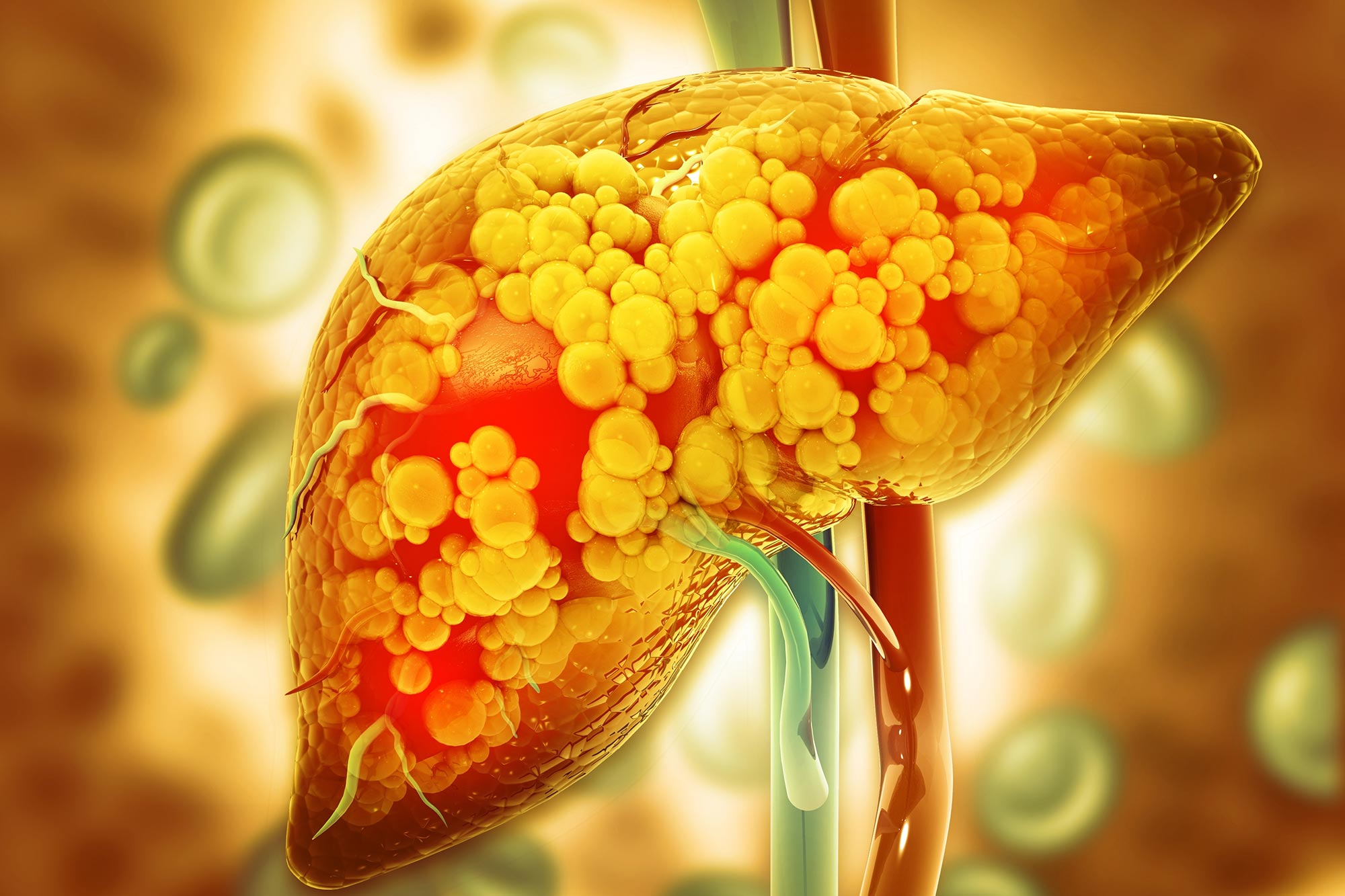
A new study explores how decreased testosterone and high fructose intake may interact to influence the development of fatty liver disease.
Low testosterone can lead to several health issues, and poor dietary habits may further worsen these conditions. One example is metabolic dysfunction-associated steatotic liver disease (MASLD), a growing global health concern that currently affects about 40% of adult men worldwide.
Fatty liver, the earliest stage of MASLD, is linked to factors such as obesity, type 2 diabetes, reduced testosterone levels, and high fructose intake from sweetened drinks and processed foods. Despite these known risks, scientists still do not fully understand how these factors interact to influence liver health.
To investigate this question, researchers at the Graduate School of Agriculture, led by graduate student Hiroki Takahashi and Associate Professor Naoki Harada, examined how reduced testosterone and high fructose consumption affect the liver.
In the study, eight-week-old male mice were either castrated or sham-operated. The animals were then divided into six groups: Sham/Control, Sham/Fructose, Sham/Fructose + Antibiotics, Castration/Control, Castration/Fructose, and Castration/Fructose + Antibiotics. The researchers analyzed liver cells, liver tissue, plasma, cecal organic acids, and gut microbiota samples to compare biological changes across the groups.
Combined Effects on Liver Fat Accumulation
The results showed that castrated mice that consumed fructose developed heavier livers, while this increase was reduced when antibiotics were administered. Each factor on its own caused only minor changes in liver triglyceride levels. However, when low testosterone and high fructose intake occurred together, they worked synergistically to increase fat buildup in the liver and worsen fatty liver disease.
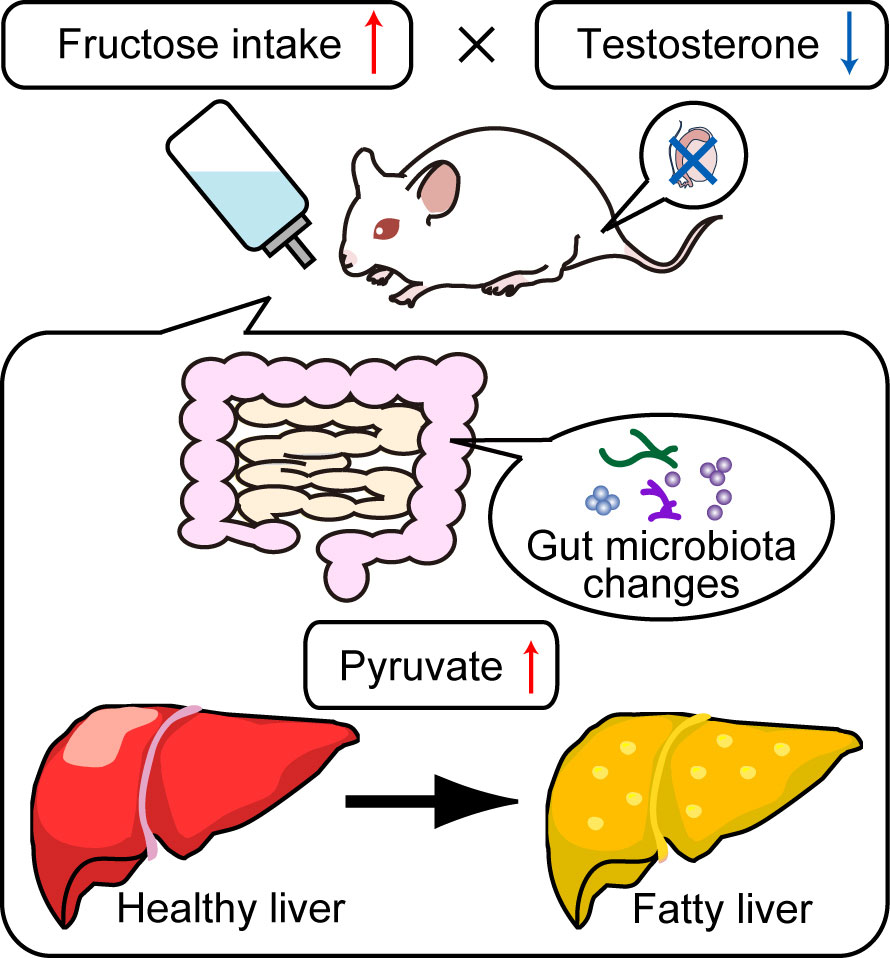
Mice exposed to both castration and fructose intake also showed changes in gut microbiota composition, shifts in liver gene expression, and higher levels of cecal pyruvate.
“Upon examining this mechanism, we found that changes in the gut microbiota led to increased levels of pyruvate within the intestine. Furthermore, experiments using mouse-derived primary hepatocytes revealed that pyruvate acts synergistically with fructose to promote neutral lipid accumulation in hepatocytes,” explained Takahashi.
“Going forward, we hope to clarify the mechanism by which pyruvate promotes triglyceride accumulation to pioneer the development of therapeutic drugs and establishment of preventive methods through dietary interventions,” added Professor Harada.
Reference: “Testosterone deficiency synergistically exacerbates fructose-induced hepatic steatosis through gut microbiota and pyruvate in mice” by Hiroki Takahashi, Naoki Harada, Yohei Hayamizu, Erdenetsogt Dungubat, Masami Nakazawa, Tomoya Kitakaze, Keiichiro Sugimoto, Hiroshi Inui, Eiji Yoshihara, Yoshihisa Takahashi and Ryoichi Yamaji, 29 January 2026, American Journal of Physiology-Endocrinology and Metabolism.
DOI: 10.1152/ajpendo.00518.2025
Funding: Japan Society for the Promotion of Science, Thomas J. Beatson Jr. Foundation, National Institute of Diabetes and Digestive and Kidney Diseases, Juvenile Diabetes Research Foundation International
Never miss a breakthrough: Join the SciTechDaily newsletter.
Follow us on Google and Google News.