

People who stay mentally sharp into their 80s may owe their edge to rare gene variants that lower Alzheimer’s risk and boost brain resilience.
Among known genetic factors linked to late-onset Alzheimer’s disease (AD), the strongest risk is tied to a gene variant called APOE-ε4. Another version of the same gene, APOE-ε2, has long been associated with a lower risk of developing the disease and may offer some protection against AD.
Large Study Examines Genetics of “Super Agers”
A major new study published today (January 16) in Alzheimer’s & Dementia, The Journal of the Alzheimer’s Association, took a closer look at how often these gene variants appear in a rare group known as super agers. These individuals are age 80 or older but show memory and thinking abilities similar to people who are 20 to 30 years younger. The research was led by scientists at Vanderbilt University Medical Center.
Lower Alzheimer’s Risk Gene in Super Agers
The findings revealed that super agers were far less likely to carry APOE-ε4, the gene variant most strongly linked to Alzheimer’s. Compared with people age 80 and older who had AD dementia, super agers were 68% less likely to have this high-risk gene.
Even more striking, super agers were also 19% less likely to carry APOE-ε4 than cognitively normal adults in the same age group.
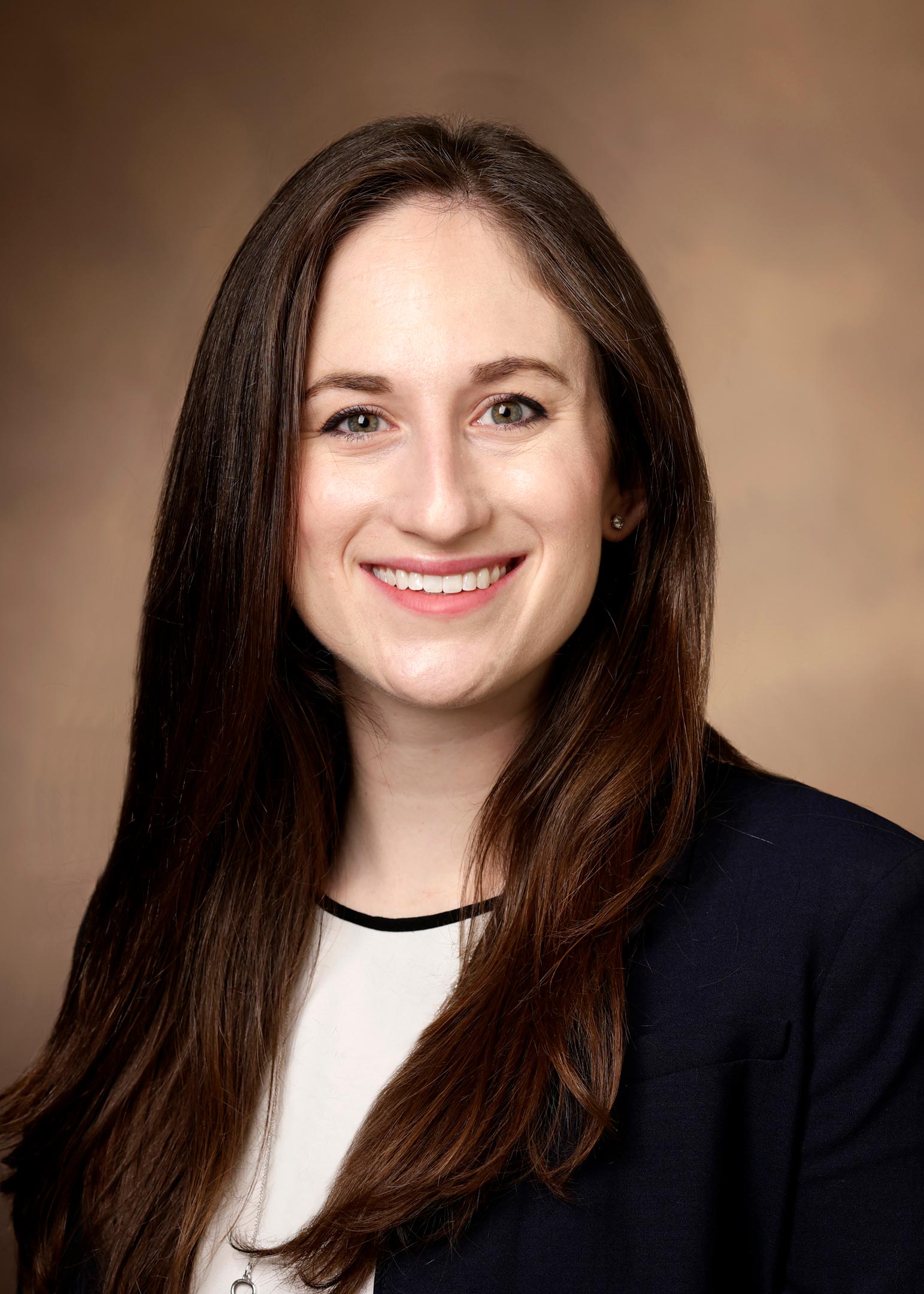
“This was our most striking finding — although all adults who reach the age of 80 without receiving a diagnosis of clinical dementia exhibit exceptional aging, our study suggests that the super-ager phenotype can be used to identify a particularly exceptional group of oldest-old adults with a reduced genetic risk for Alzheimer’s disease,” said Leslie Gaynor, PhD, assistant professor of Medicine in the Division of Geriatric Medicine. She led the study alongside Alaina Durant, BS, a statistical genetic analyst at the Vanderbilt Memory and Alzheimer’s Center.
Higher Levels of a Protective Gene Variant
The study also uncovered another important genetic difference. For the first time, researchers found that super agers were more likely to carry APOE-ε2, the gene variant thought to help protect against Alzheimer’s disease.
Super agers were 28% more likely to have APOE-ε2 compared with cognitively normal adults age 80 and older. When compared with participants who had AD dementia in the same age range, super agers were 103% more likely to carry this protective variant.
Study Size and Data Sources
This observational study represents the largest group of super agers examined so far. Researchers analyzed data from the Alzheimer’s Disease Sequencing Project Phenotype Harmonization Consortium (ADSP-PHC), which is led by study co-author Timothy Hohman, PhD, professor of Neurology.
In total, the analysis included 18,080 participants drawn from eight national aging cohorts.
How Super Agers Were Defined
Participants were classified as super agers if they were age 80 or older and scored above the average memory performance of cognitively normal adults ages 50 to 64. The study included people from multiple race and ethnicity groups, including 1,412 non-Hispanic white super agers and 211 non-Hispanic Black super agers. The dataset also included 8,829 participants with AD dementia and 7,628 cognitively normal controls.
Worldwide, the APOE-ε4 variant appears in about 13.7% of the population. Within this study group, its frequency was much higher at 43.9%.
Why Super Agers Matter for Alzheimer’s Research
“With interest in super agers growing,” Gaynor said, “our findings notably encourage the view that the super-ager phenotype will prove useful in the continued search for mechanisms conferring resilience to AD.
“This is by far the largest study to date to identify differences in APOE-ε4 allele frequency based on super-ager status, and the first study to find a relationship between APOE-ε2 allele frequency and super-ager status. We would expect these findings to lend continued interest to questions of how these variants may influence development of clinical dementia due to Alzheimer’s disease, as well as to the super-ager phenotype more generally.”
Reference: “Evaluating the association of apolipoprotein E genotype and cognitive resilience in SuperAgers” by Alaina Durant, Shubhabrata Mukherjee, Michael L. Lee, Seo-Eun Choi, Phoebe Scollard, Brandon S. Klinedinst, Emily H. Trittschuh, Jesse Mez, Lindsay A. Farrer, Katherine A. Gifford, Carlos Cruchaga, Jason Hassenstab, Adam C. Naj, Li-San Wang, Sterling C. Johnson, Corinne D. Engelman, Walter A. Kukull, C. Dirk Keene, Andrew J. Saykin, Michael L. Cuccaro, Brian W. Kunkle, Margaret A. Pericak-Vance, Eden R. Martin, David A. Bennett, Lisa L. Barnes, Julie A. Schneider, William S. Bush, Jonathan L. Haines, Richard Mayeux, Badri N. Vardarajan, Marilyn S. Albert, Paul M. Thompson, Angela L. Jefferson, Paul K. Crane, Logan Dumitrescu, Derek B. Archer, Timothy J. Hohman and Leslie S. Gaynor, 16 January 2026, Alzheimer’s & Dementia.
DOI: 10.1002/alz.71024
Additional Vanderbilt University Medical Center contributors included Angela Jefferson, PhD, Logan Dumitrescu, MS, PhD, and Derek Archer, PhD. They collaborated with 32 researchers from 15 universities nationwide. The study received partial funding from National Institutes of Health awards U24 AG074855, U01 AG068057, and R01 AG059716.
Never miss a breakthrough: Join the SciTechDaily newsletter.
Follow us on Google and Google News.
2 Comments
This looks at phenotype, but only addresses genotype as the cause. How genes get expressed, and all the things about life that have nothing to do with genes, are ignored in this study. The emphasis on genetics is overshadowing the lifestyle factors that cause Alzheimer’s. There is no money in studying lifestyles, unless a product is being sold. What was the education level of these study participants? How about their sleep position, which affects brain circulation? How about alcohol consumption or use of other drugs. How about their social isolation or connection? Lots of things affect the brain, besides genes which can’t be changed. Or can they? Geneticists will try to come up with genetic solutions, someday. But it will still only address a small part of the problem of mental decline and Alzheimer’s.
“As a now 82 year old lay American male with family histories of food allergies and dementia and two personal temporary incidents of nutritional deficiency related short-term memory problems, I’d like to add to Mr. Singer’s comments to include that certainly diet and lifestyle factors can be equally, if not more, important than genetics. Furthermore, long ago I read that allergies can be inherited (genetic) or acquired. With my email generally blocked by Vanderbilt University I’ve found fourteen other addresses to try to share what I know that most professionals still don’t. I hope the authors contacted will at least make/take the time to consider and share what both Mr. Singer and I have to add to their findings. Cc: 15 listed authors.”