
Close Menu
    Facebook X (Twitter) Instagram
    SciTechDaily
    • Biology
    • Chemistry
    • Earth
    • Health
    • Physics
    • Science
    • Space
    • Technology
    Facebook X (Twitter) Pinterest YouTube RSS
    SciTechDaily
    Home»Health»Willingness To Get a COVID-19 Vaccine Is Much Higher in Developing Countries Than in the US
    Health

    Willingness To Get a COVID-19 Vaccine Is Much Higher in Developing Countries Than in the US

    By Innovations for Poverty ActionJuly 19, 2021No Comments3 Mins Read
    Facebook Twitter Pinterest Telegram LinkedIn WhatsApp Email Reddit
    Share
    Facebook Twitter LinkedIn Pinterest Telegram Email Reddit
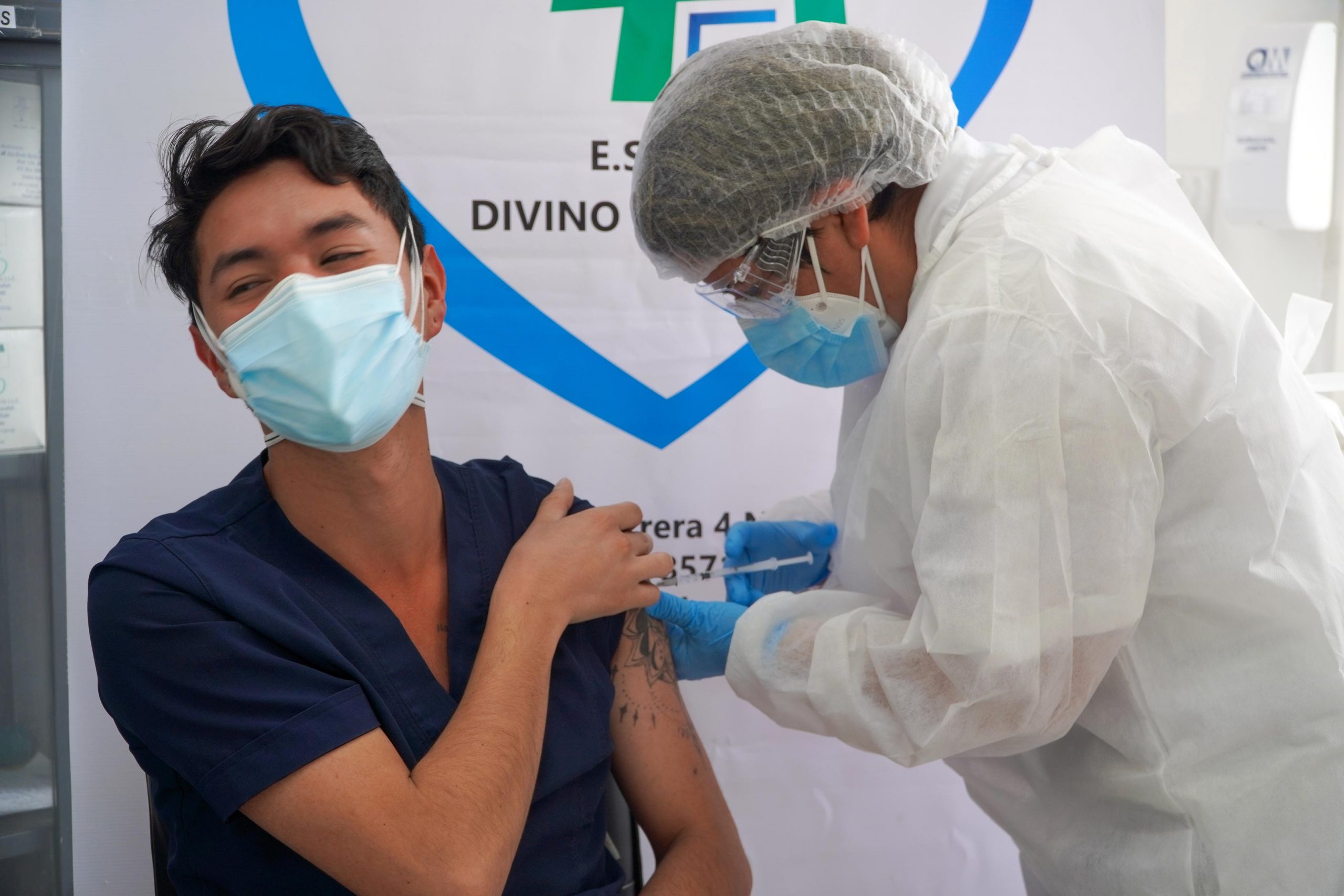
    COVID-19 Vaccination in Colombia
    Application of the first pfizer vaccines against COVID-19 in Colombia. Credit: Harold Parraga

    New study examines vaccine acceptance and hesitancy in 10 low- and middle-income countries in Asia, Africa, and South America.

    New research published in Nature Medicine reveals willingness to get a COVID-19 vaccine was considerably higher in developing countries (80% of respondents) than in the United States (65%) and Russia (30%).

    The study provides one of the first insights into vaccine acceptance and hesitancy in a broad selection of low- and middle-income countries (LMIC), covering over 20,000 survey respondents and bringing together researchers from over 30 institutions including the International Growth Centre (IGC), Innovations for Poverty Action (IPA), WZB Berlin Social Science Center, the Yale Institute for Global Health, the Yale Research Initiative on Innovation and Scale (Y-RISE), and HSE University (Moscow, Russia).

    Motivations and Concerns Around Vaccination

    Personal protection against COVID-19 was the main reason given for vaccine acceptance among LMIC respondents (91%), and concern about side effects (44%) was the most common reason for vaccine hesitancy. Health workers were considered the most trusted sources of information about COVID-19 vaccines.

    Vaccination in Indonesia
    A vaccination in Central Java, Indonesia. Credit: Fadil Fauzi

    The study comes at a critical juncture when vaccine shipments are still slow to arrive to the majority of the world’s population, and COVID-19 cases are surging in many parts of Africa, Asia, and Latin America. The findings suggest that prioritizing vaccine distribution to low- and middle-income countries should yield high returns in expanding global immunization coverage.

    “As COVID-19 vaccine supplies trickle into developing countries, the next few months will be key for governments and international organizations to focus on designing and implementing effective vaccine uptake programs,” said Niccoló Meriggi, Country Economist for IGC Sierra Leone and study co-author. “Governments can use this evidence to develop communications campaigns and systems to ensure that those who intend to get a vaccine actually follow through.”

    Public Confidence and Evolving Perceptions

    The researchers, who conducted the surveys between June 2020 and January 2021, point out that vaccine acceptance may vary with time and with the information that people have available to them. While the evidence on the safety and efficacy of available COVID-19 vaccines has become more clear in the last six months, severe, but rare, side effects may have undermined public confidence.

    Saad Omer, Director of the Yale Institute of Global Health and study co-author, said: “What we’ve seen in Europe, the US, and other countries suggests that vaccine hesitancy can complicate policy decisions, thereby hindering rapid and widespread vaccine uptake. Governments in developing countries can start engaging trusted people like health workers now to deliver vaccine messaging about side effects that is accurate, balanced, and easily available to the public.”

    “Across countries, we observe that acceptance of COVID-19 vaccines is generally somewhat lower than for other vaccines, perhaps because of their novelty. However, the consistently pro-vaccine attitudes we see in low- and middle-income countries give us reason to be optimistic about uptake,” said Alexandra Scacco, Senior Research Fellow at the WZB and study co-author. “We hope that evidence from our study can help inform strategies to expand global COVID-19 vaccination.”

    Reference: “Understanding COVID-19 vaccine hesitancy” by Shingai Machingaidze and Charles Shey Wiysonge, 16 July 2021, Nature Medicine.
    DOI: 10.1038/s41591-021-01459-7

    Never miss a breakthrough: Join the SciTechDaily newsletter.
    Follow us on Google and Google News.

    Behavioral Science COVID-19 Infectious Diseases Public Health Vaccine
    Share. Facebook Twitter Pinterest LinkedIn Email Reddit

    Related Articles

    Top 11 Reasons for COVID-19 Vaccine Hesitancy – First: Mistrust of Government

    “Triple Contagion”: How Fears (of COVID and Vaccines) Influence Coronavirus Transmission

    New Research Finds Colleges Can Prevent 96% of COVID-19 Infections Without Vaccines

    Research Shows Exposure to Common Cold Coronaviruses Can Teach the Immune System to Recognize SARS-CoV-2

    Single-Shot COVID-19 Vaccine Robustly Protects Non-human Primates Against SARS-CoV-2

    Common Molecular Feature of Antibodies That Neutralize SARS-CoV-2 Discovered, Boosting COVID-19 Vaccine Prospects

    The Surprisingly Simple Way Researchers Say a Second COVID-19 Wave Could Be Avoided

    Russia Creates Custom “Humanized” Mice to Test COVID-19 Drugs and Vaccines

    New Clues on How to Treat COVID-19 From T Cell Counts and Cytokine Storms

    Leave A Reply Cancel Reply

    • Facebook
    • Twitter
    • Pinterest
    • YouTube

    Don't Miss a Discovery

    Subscribe for the Latest in Science & Tech!

    Trending News

    Scientists Discover Stem Cells That Could Regrow Teeth and Bone

    Early Cannabis Use May Stall Key Brain Skills in Teens

    Popular Vitamin D Supplement Has “Previously Unknown” Negative Effect, Study Finds

    Study Reveals Malaria’s Hidden Role in Human Evolution

    The Hidden Risk of Taking Breaks From Weight-Loss Drugs Like Ozempic

    Scientists Warn That This Common Pet Fish Can Wreck Entire Ecosystems

    Scientists Make Breakthrough in Turning Plastic Trash Into Clean Fuel Using Sunlight

    This Popular Supplement May Interfere With Cancer Treatment, Scientists Warn

    Follow SciTechDaily
    • Facebook
    • Twitter
    • YouTube
    • Pinterest
    • Newsletter
    • RSS
    SciTech News
    • Biology News
    • Chemistry News
    • Earth News
    • Health News
    • Physics News
    • Science News
    • Space News
    • Technology News
    Recent Posts
    • Researchers Unveil Groundbreaking Sustainable Solution to Vitamin B12 Deficiency
    • Scientists Identify Immune Protein That Could Mimic Anti-Aging Effects of Calorie Restriction
    • This Tiny Creature Survived a World of Dinosaurs and Changed What Came Next
    • Millions of People Have Osteopenia Without Realizing It – Here’s What You Need To Know
    • Researchers Discover Boosting a Single Protein Helps the Brain Fight Alzheimer’s
    Copyright © 1998 - 2026 SciTechDaily. All Rights Reserved.
    • Science News
    • About
    • Contact
    • Editorial Board
    • Privacy Policy
    • Terms of Use

    Type above and press Enter to search. Press Esc to cancel.