
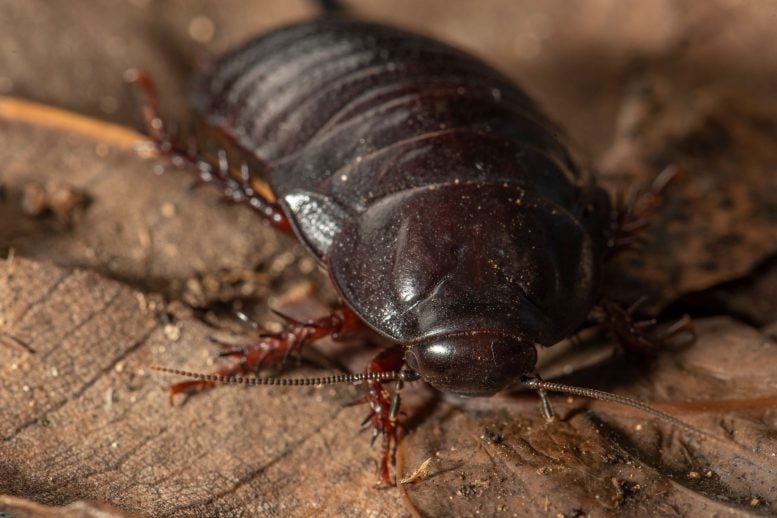
A new study reveals that removing invasive rodents from Lord Howe Island has coincided with a striking rebound in invertebrate life, particularly among larger species once vulnerable to predation.
The biggest winners from Lord Howe Island’s ambitious rodent eradication program may be some of its smallest residents. A new study has revealed a surge in insects and other invertebrates after invasive rats and mice were removed from the island, offering a rare glimpse into how ecosystems respond when a long-standing predator is eliminated.
The research, led jointly by the NSW Department of Climate Change, Energy, the Environment and Water and University of Sydney PhD candidate Maxim Adams, investigated changes in invertebrate communities following the eradication of black rats and house mice in 2019.
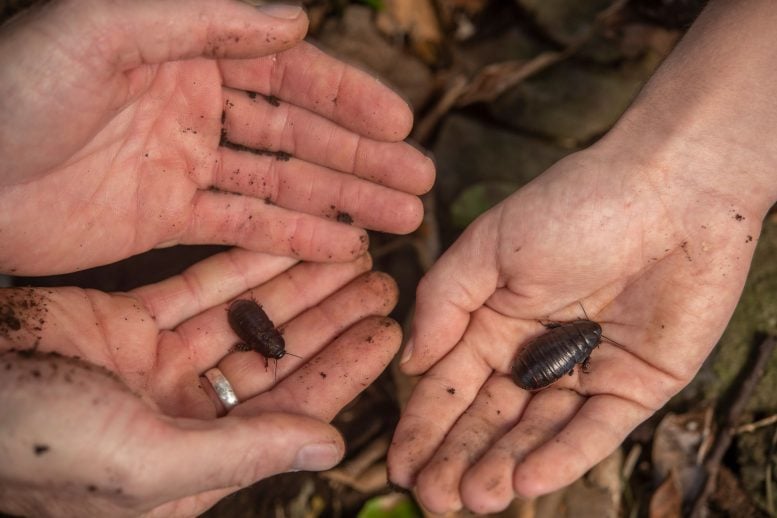
Researchers found that overall invertebrate abundance increased significantly, with the strongest gains occurring among larger-bodied species. Groups such as bush cockroaches and woodlice expanded rapidly, while the broader makeup of the island’s invertebrate fauna also changed.
The findings add to mounting evidence that Lord Howe Island is recovering ecologically after the world’s largest rodent eradication project on an inhabited island. Earlier studies have already reported substantial rebounds among seabirds and native land birds.
Why Invertebrates Matter to Ecosystem Health
Published in Biological Invasions, this study is the first comprehensive assessment of how the island’s invertebrates responded to the removal of invasive rodents.
“Invertebrates are easy to overlook, but they are absolutely fundamental to how ecosystems function,” Mr. Adams said.
“They pollinate plants, recycle nutrients, break down organic matter, and provide food for birds, reptiles, and other native animals. Without healthy invertebrate communities, the broader ecosystem can’t fully recover.”
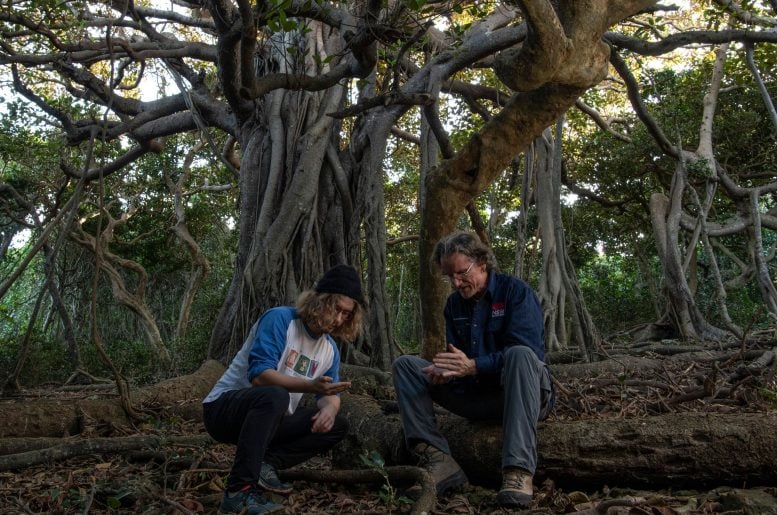
Researchers collected more than 24,000 invertebrate specimens from 20 forest locations across the island. They compared samples gathered before rodent removal in 2016-17 with those collected in 2023-24.
Larger Invertebrates Show Strongest Rebound
The most dramatic increases occurred among larger invertebrates measuring more than 13 millimeters (0.5 inches) in length. The pattern supports the idea that rats and mice had suppressed these species through predation for well over a century.
“We found dramatic increases in larger invertebrates, which is exactly what you would expect if invasive rodents had been preying on them,” Mr. Adams said.
“That matters because these animals are also an important food source for native predators, including geckos and insect-eating birds.”
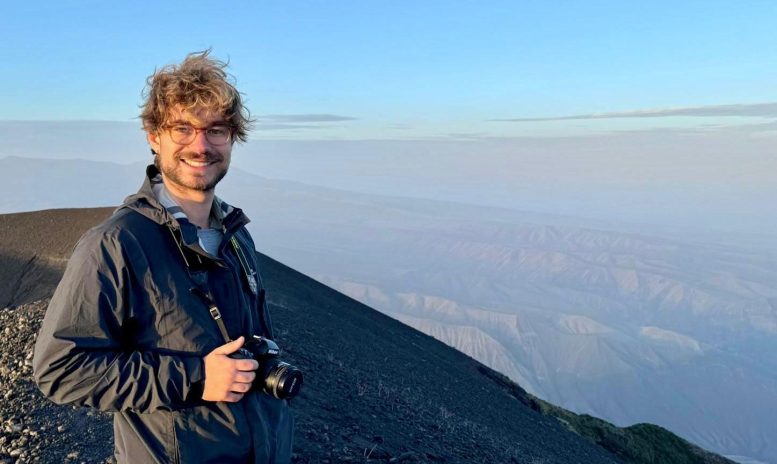
Researchers believe the recovery of invertebrates may already be supporting increases in native wildlife populations. Previous monitoring found strong growth in species such as the Lord Howe woodhen after rodents were removed.
Ecosystem Recovery Remains Complex
Nathan Lo, who directs the MEEP laboratory, said the results highlight the far-reaching effects invasive rodents can have on island ecosystems.
“Rodents didn’t just affect a few iconic species; they reshaped ecological relationships across the island,” Professor Lo said. “What we’re seeing now is evidence of an ecosystem beginning to reorganize itself after that pressure was removed.”
The researchers emphasize that recovery remains a long-term process. Although overall invertebrate abundance increased, patterns of diversity were more mixed, with some groups expanding while others declined. Seasonal fluctuations also remained significant.
The study could not completely exclude the possibility that other environmental factors contributed to the observed changes between sampling periods, including climate variation and habitat shifts. In addition, the survey focused on species living on the ground and in lower vegetation, rather than those found in the canopy or aquatic environments.
Ecosystem Recovery Takes Time
“This is not a story of ecosystems instantly snapping back to some untouched historical state,” Professor Lo said.
“Recovery after invasive species removal can take years or decades, and ecosystems may settle into entirely new configurations.”
Future studies will use genetic techniques to identify which native and introduced species are increasing after the eradication effort and to determine whether ecological changes vary among feeding groups or habitats. Researchers also plan to examine longer-term effects on soil nutrients and decomposition, both of which are strongly influenced by invertebrates.
Invertebrates Key to Conservation Monitoring
Mr. Adams said the findings underscore the value of including invertebrates in conservation monitoring efforts.
“Invertebrates make up most of the biodiversity in many ecosystems, but they’re often omitted because they’re difficult and time-consuming to study,” he said.
“This work shows that even relatively simple monitoring approaches can reveal ecological changes after conservation interventions.”
Reference: “Increases in invertebrate abundance and shifts in assemblage composition following rodent eradication on Lord Howe Island” by Terence O’Dwyer, Maxim W. D. Adams, Thomas E. White, John Porter, Dean Portelli, Nathan Lo and Nicholas Carlile, 27 April 2026, Biological Invasions.
DOI: 10.1007/s10530-026-03832-4
Research was funded by the Australian Research Council and the Australia and Pacific Science Foundation.
Never miss a breakthrough: Join the SciTechDaily newsletter.
Follow us on Google and Google News.