
Close Menu
    Facebook X (Twitter) Instagram
    SciTechDaily
    • Biology
    • Chemistry
    • Earth
    • Health
    • Physics
    • Science
    • Space
    • Technology
    Facebook X (Twitter) Pinterest YouTube RSS
    SciTechDaily
    Home»Biology»Yale Biologists Examine Long-Standing Genetics Mystery
    Biology

    Yale Biologists Examine Long-Standing Genetics Mystery

    By Elisabeth Ann Reitman, Yale UniversityAugust 18, 20171 Comment3 Mins Read
    Facebook Twitter Pinterest Telegram LinkedIn WhatsApp Email Reddit
    Share
    Facebook Twitter LinkedIn Pinterest Telegram Email Reddit
    Yale Evolutionary Biologists Probe Long-standing Genetics Mystery
    A new method has helped researchers discover genes critical to human evolution, playing roles in neurological processing, immunity, and reproduction.

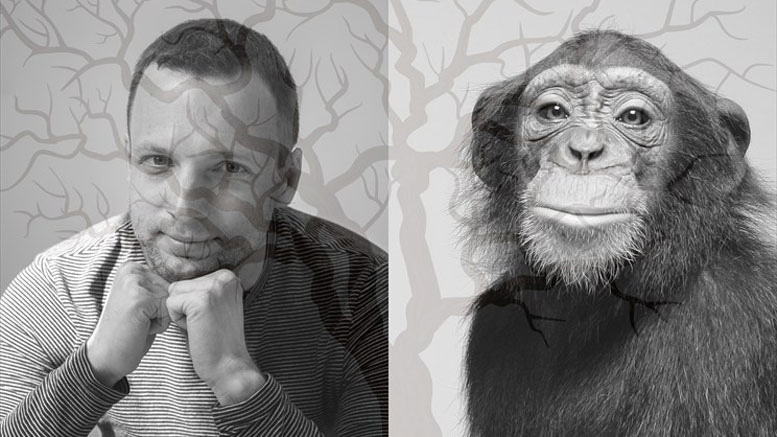
    Researchers discover several genes whose evolution appears to have been critical to the divergence of humans from their common ancestor with chimpanzees.

    What makes humans different from chimpanzees? Evolutionary biologists from Howard University and the Yale School of Public Health have developed a unique genetic analysis technique that may provide important answers.

    Michael C. Campbell, Ph.D., the paper’s first author and assistant professor in the Howard University Department of Biology, and co-author Jeffrey Townsend, Ph.D., the Elihu Associate Professor in Biostatistics at Yale, published their findings in the journal Molecular Biology and Evolution.

    Their method—Model Averaged Site Selection via Poisson Random Field (MASS-PRF)—looks at protein-coding genes to identify genetic signatures of positive selection. These signatures are actually DNA changes that contribute to the development of beneficial traits, or human adaptations, that emerged during human evolutionary history and that are shared across the human species.

    Other approaches have examined this question but analyses have focused on whole genes, typically missing focused evolution that often occurs in small regions of genes. The method Campbell and Townsend created identifies selection within genes, pinpointing sets of mutations that have undergone positive selection.

    “It’s a quantum leap in our statistical power to detect selection in recently diverged species.”

    Jeffrey Townsend

    “Our method is a new way of looking for beneficial mutations that have become fixed or occur at 100 percent frequency in the human species,” Campbell said. “What we are concerned with are mutations within genes and traits that are specific to humans compared to closely related species, such as the chimpanzee. Essentially, we want to know is what are the mutations and traits that make us human and that unite us as a biological species.”

    Townsend said the technique has far-reaching implications. It helped the research team discover several genes whose evolution appears to have been critical to the divergence of humans from their common ancestor with chimpanzees. The genes play roles in neurological processing, immunity, and reproduction, and the method could eventually help scientists identify many more. “It’s a quantum leap in our statistical power to detect selection in recently diverged species,” Townsend said.

    Reference: “Detection of regional variation in selection intensity within protein-coding genes using DNA sequence polymorphism and divergence” by Zi-Ming Zhao, Michael C. Campbell, Ning Li, Daniel S.W. Lee, Zhang Zhang and Jeffrey P. Townsend, 28 July 2017, Molecular Biology and Evolution.
    DOI:10.1093/molbev/msx213

    Campbell began the research project with Drs. Zhao and Townsend while they were associate research scientists in the Department of Biostatistics at the Yale School of Public Health before he arrived at Howard University in 2015. Dr. Zhao, currently a research scientist at The Jackson Laboratory for Genomic Medicine, co-authored the paper.

    Never miss a breakthrough: Join the SciTechDaily newsletter.
    Follow us on Google and Google News.

    Evolution Evolutionary Biology Genetics Yale University
    Share. Facebook Twitter Pinterest LinkedIn Email Reddit

    Related Articles

    Mankind’s Missing Puzzle Pieces: The “Deleted” Genes That Made Us Human

    Scientists Reveal Catalog of Human Genetic Variation

    DNA Could Predate Existence of Life As We Know It

    Genome Study Links Paternal Age to Conditions Such As Autism

    Female Butterflies Prefer Flashier Mates

    Horizontal Gene Transfer Between Plants is More Widespread than Previously Thought

    Evolution Shapes Ecology of Dammed Connecticut Lakes

    Evolutionary Changes Surrounding the NOS1 Gene

    Human Y-Chromosome Has Enough Genes to Stay for Millions of Years

    1 Comment

    1. Molly McDonald on November 15, 2017 4:00 am

      Great article! Maybe we aren’t as different as we first thought

      Reply
    Leave A Reply Cancel Reply

    • Facebook
    • Twitter
    • Pinterest
    • YouTube

    Don't Miss a Discovery

    Subscribe for the Latest in Science & Tech!

    Trending News

    Scientists Uncover Potential Brain Risks of Popular Fish Oil Supplements

    Scientists Discover a Surprising Way To Make Bread Healthier and More Nutritious

    After 60 Years, Scientists Uncover Unexpected Brain Effects of Popular Diabetes Drug Metformin

    New Research Uncovers Hidden Side Effects of Popular Weight-Loss Drugs

    Scientists Rethink Extreme Warming After Surprising Ocean Discovery

    Landmark Study Links Never Marrying to Significantly Higher Cancer Risk

    Researchers Discover Unknown Beetle Species Just Steps From Their Lab

    Largest-Ever Study Finds Medicinal Cannabis Ineffective for Anxiety, Depression, PTSD

    Follow SciTechDaily
    • Facebook
    • Twitter
    • YouTube
    • Pinterest
    • Newsletter
    • RSS
    SciTech News
    • Biology News
    • Chemistry News
    • Earth News
    • Health News
    • Physics News
    • Science News
    • Space News
    • Technology News
    Recent Posts
    • Students Build Dark Matter Detector and Set New Experimental Limits
    • Scientists Discover Caffeine Can Repair Key Memory Circuits After Sleep Loss
    • Strange 65-Foot Dinosaur Discovered in Argentina
    • Researchers Uncover Source of Strange Deformation in Earth’s Largest Continental Rift
    • Scientists Solve Mystery of Where the Colorado River Vanished Millions of Years Ago
    Copyright © 1998 - 2026 SciTechDaily. All Rights Reserved.
    • Science News
    • About
    • Contact
    • Editorial Board
    • Privacy Policy
    • Terms of Use

    Type above and press Enter to search. Press Esc to cancel.