
Close Menu
    Facebook X (Twitter) Instagram
    SciTechDaily
    • Biology
    • Chemistry
    • Earth
    • Health
    • Physics
    • Science
    • Space
    • Technology
    Facebook X (Twitter) Pinterest YouTube RSS
    SciTechDaily
    Home»Health»Yale Researchers Reveal Role of INAVA Gene in IBD
    Health

    Yale Researchers Reveal Role of INAVA Gene in IBD

    By Ziba Kashef, Yale UniversityApril 25, 2017No Comments2 Mins Read
    Facebook Twitter Pinterest Telegram LinkedIn WhatsApp Email Reddit
    Share
    Facebook Twitter LinkedIn Pinterest Telegram Email Reddit
    Scientists Reveal Role of INAVA Gene in IBD
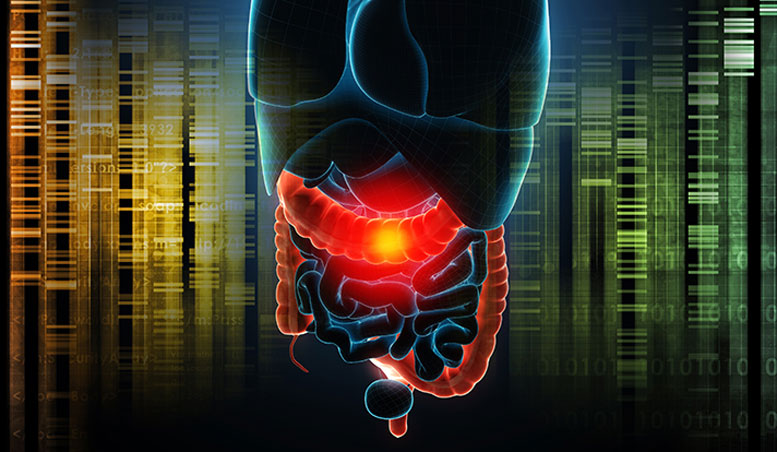
    Carrying the genetic susceptibility in the INAVA gene leads to lower expression of the INAVA protein, reducing the immune system’s ability to detect and clear bacteria, and increasing the risk of developing inflammatory bowel disease (IBD).

    A newly published study from Yale University provides a better understanding to how genetic markers linked to inflammatory bowel disease contribute to the disease process.

    Inside a healthy gut, bacteria and immune cells maintain a delicate balance. If that balance is disturbed, a condition called inflammatory bowel disease or IBD can result. Patients with IBD can experience diarrhea, abdominal pain, blood loss, fatigue, weight loss, and serious complications requiring surgery. To understand the underlying causes of IBD, a team of Yale researchers focused on understanding how genetic markers that have been linked to IBD contribute to the disease process.

    Led by associate professor of medicine Dr. Clara Abraham, the Yale team studied cells derived from the intestines and blood of healthy people. They stimulated the cells with bacteria or bacterial components, and observed immune responses in the context of a previously unknown gene associated with IBD named INAVA.

    The researchers found that people who carried the genetic susceptibility in the INAVA gene had lower expression of the INAVA protein. That diminished the ability of immune cells to detect bacteria and produce a response that is critical to clearing bacteria. This inability to effectively clear bacteria can raise the risk of developing IBD.

    The finding could help researchers better categorize IBD patients based on their genetic profiles. It also defines a pathway that could be a future target for treatment, said Abraham.

    Reference: “An inflammatory bowel disease–risk variant in INAVA decreases pattern recognition receptor–induced outcomes” Jie Yan, Matija Hedl and Clara Abraham, 24 April 2017, Journal of Clinical Investigation.
    DOI: 10.1172/JCI86282
    PDF

    Never miss a breakthrough: Join the SciTechDaily newsletter.
    Follow us on Google and Google News.

    Disease Medicine Yale University
    Share. Facebook Twitter Pinterest LinkedIn Email Reddit

    Related Articles

    Yale Study Shows Surprising Link Between Constipation and Herpes Infection

    New Combination Therapy Cures Tick-Borne Illness in Mice

    New Yale Study Pinpoints Key Protein in Severe Vascular Disease

    New Strategy to Better Protect Cancer Patients from the Flu

    Study Shows Diabetes Drug Significantly Reduces Risk of Heart Failure

    Yale Researchers Reveal How HIV Spreads in Real Time

    Yale Study Shows One in Four Hepatitis C Patients Denied Initial Drug Therapy

    Researchers May Have Pinpointed a Strategy for Eliminating Latent HIV

    Intensive Glycemic Control Does Not Definitively Reduce the Risk of Impaired Kidney Function

    Leave A Reply Cancel Reply

    • Facebook
    • Twitter
    • Pinterest
    • YouTube

    Don't Miss a Discovery

    Subscribe for the Latest in Science & Tech!

    Trending News

    After 50 Years, Astronomers Finally Found What the Milky Way’s Black Hole Was Hiding

    The Most Powerful Drug of All Isn’t Found in a Pill Bottle

    Scientists Capture Immune Cells Eating Live Cancer Cells for the First Time

    Why Older Adults Need To Pay Closer Attention to Vitamin B12

    Scientists Say a Daily Probiotic May Help Fight Depression in Older Adults

    This Deadly Disease Was Wiping Out Humans 5,500 Years Ago

    Beyond DNA: Scientists Discover Inheritance That Breaks the Rules of Genetics

    Scientists Just Discovered the Eye Defies a Long-Held Rule of Vision

    Follow SciTechDaily
    • Facebook
    • Twitter
    • YouTube
    • Pinterest
    • Newsletter
    • RSS
    SciTech News
    • Biology News
    • Chemistry News
    • Earth News
    • Health News
    • Physics News
    • Science News
    • Space News
    • Technology News
    Recent Posts
    • After Decades of Mystery, Researchers Locate a Missing Page of the Archimedes Palimpsest
    • The 4,000-Year-Old City That Defied History’s Rules on Wealth and Power
    • The World’s Biggest Population Fear Has Flipped – and It Could Change Everything
    • US and UK Veterans Who Volunteered in Ukraine Return Home With Hidden Health Crises
    • Scientists Discover Troubling Link Between Processed Foods and Preschool Behavior
    Copyright © 1998 - 2026 SciTechDaily. All Rights Reserved.
    • Science News
    • About
    • Contact
    • Editorial Board
    • Privacy Policy
    • Terms of Use

    Type above and press Enter to search. Press Esc to cancel.