
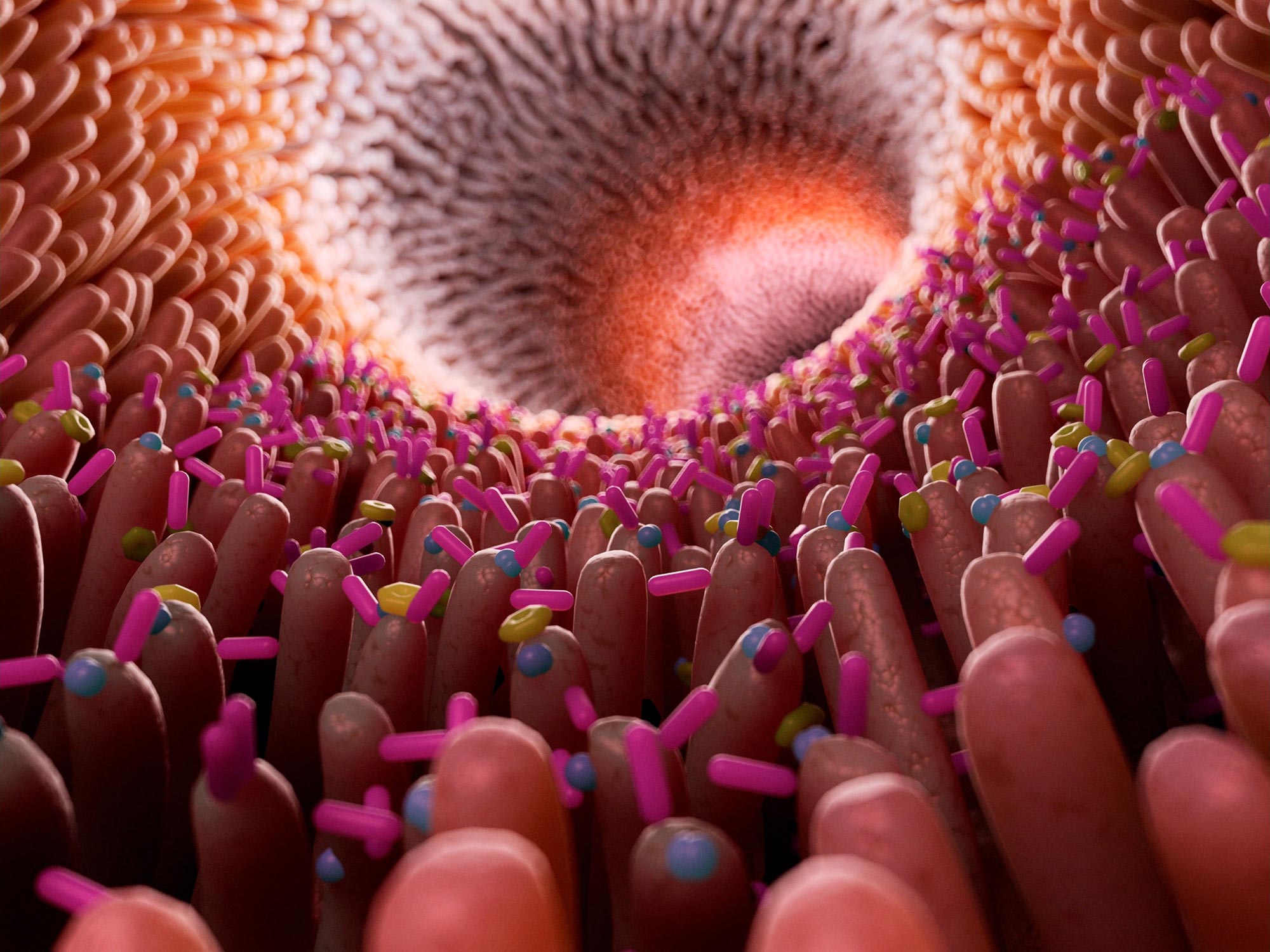
Over a six-year study, researchers identified a link between reduced butyrate-producing bacteria in the gut and increased risk of severe infections. The findings suggest the potential for dietary strategies to enhance these beneficial bacteria as a preventive measure.
The composition of the intestinal microbiome can predict the chances of developing serious infections such as pneumonia. Researchers from Amsterdam UMC and the University of Turku, Finland, followed more than 10,000 people for 6 years. More than 600 people who had less healthy gut flora developed a serious infection, leading in some cases to death. The results of the research are published today (June 20) in The Lancet Microbe.
Butyrate’s Role in Human Immune Function
The 602 people who were hospitalized due to an infection showed at the start of the study that they had fewer butyrate-producing bacteria in their microbiome. Butyrate is a small fatty acid that is known to have a positive impact on the immune system of mice. It has also been seen before that people with serious infections have less of these bacteria. “But we didn’t know whether the less healthy gut flora is due to the acute infection and its treatment or whether they have always had less of the butyrate-producing bacteria in their microbiome,” says PhD student Bob Kullberg. “The study now answers this chicken-and-egg question.”
Key Findings on Butyrate-Producing Bacteria
The researchers wanted to know whether, just like in mice, butyrate also has a beneficial effect on the immune system in humans. The study analyzed stool samples from more than 10,000 people (6,000 from the Finnish FINRISKI cohort and more than 4,000 Dutch participants from the HELIUS cohort). In the study, the researchers analyzed 16 bacteria that make butyrate during the fermentation of dietary fiber. Humans can’t digest fiber on their own, but these bacteria can. The 602 patients who were hospitalized during the 6-year follow-up study had significantly fewer of these butyrate-producing bacteria in their gut compared to the remaining people in the 2 cohorts.
“We saw that in people who have 10% more of those bacteria in their gut, the chance of getting an infection decreases by as much as 15 to 25%,” says Kullberg. Thus, the microbiome is involved in infections outside the gut, such as lung and bladder infections. The analyses considered factors such as age, history of antibiotic use, and underlying diseases that influence gut microbiota composition and infection risk.
Research Opportunities and Unanswered Questions
Butyrate thus improves the defense against infections outside the intestines. This finding emphasizes the importance of a healthy microbiome and opens doors to predicting the risk of a serious infection for each individual. But why one individual has more butyrate-producing bacteria than the other remains a question.
The question of whether something can be done to introduce these bacteria into the intestines is also still unanswered. “Follow-up research is needed to find out how we can increase the amount of butyrate with diet or probiotics, in order to prevent serious infections,” says co-researcher and professor Joost Wiersinga.
Reference: “Association between butyrate-producing gut bacteria and the risk of infectious disease hospitalisation: results from two observational, population-based microbiome studies” by Robert F J Kullberg, Irina Wikki, Bastiaan W Haak, Anni Kauko, Henrike Galenkamp, Hessel Peters-Sengers, Joe M Butler, Aki S Havulinna, Joonatan Palmu, Daniel McDonald, Chouaib Benchraka, Mahmoud I Abdel-Aziz, Maria Prins, Anke H Maitland van der Zee, Bert-Jan van den Born, Pekka Jousilahti, Willem M de Vos, Veikko Salomaa, Rob Knight, Leo Lahti, Max Nieuwdorp, Teemu Niiranen and W Joost Wiersinga, 20 June 2024, The Lancet Microbe.
DOI: 10.1016/S2666-5247(24)00079-X
Never miss a breakthrough: Join the SciTechDaily newsletter.
Follow us on Google and Google News.