
Close Menu
    Facebook X (Twitter) Instagram
    SciTechDaily
    • Biology
    • Chemistry
    • Earth
    • Health
    • Physics
    • Science
    • Space
    • Technology
    Facebook X (Twitter) Pinterest YouTube RSS
    SciTechDaily
    Home»Biology»Study Shows A Widespread Disruption of Brain Activity During Absence Seizures
    Biology

    Study Shows A Widespread Disruption of Brain Activity During Absence Seizures

    By Bill Hathaway, Yale UniversityNovember 8, 20162 Comments2 Mins Read
    Facebook Twitter Pinterest Telegram LinkedIn WhatsApp Email Reddit
    Share
    Facebook Twitter LinkedIn Pinterest Telegram Email Reddit
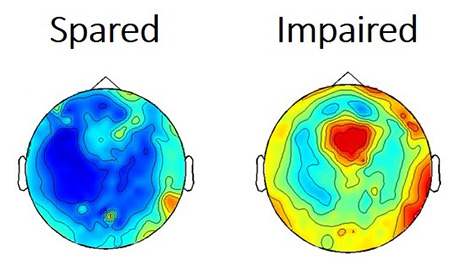
    Disruptions of Brain Activity in Absence Seizures
    Disruptions of brain activity in absence seizures – in which subjects lose consciousness for a brief period (right) – are more global than scientists had believed. (Image courtesy of Blumenfeld lab)

    New research from Yale University shows that the entire brain is disrupted for 10 seconds or more at a time in absence seizures.

    Scientists believed that absence seizures — the brief loss of consciousness often mistaken for day-dreaming — was caused by a localized disruption of brain activity. A new Yale study finds the entire brain is involved in this common form of childhood epilepsy that causes kids to “blank out” for 10 seconds or more at a time.

    “These seizures significantly affect school performance, social interactions and can also pose safety risks,” said Dr. Hal Blumenfeld, the Mark Loughridge and Michele Williams Professor of Neurology and senior author of the study appearing November 7 in the journal Lancet Neurology.

    Seizures typically last less than 10 seconds but can also last longer and be accompanied by movements such as blinking, chewing or hand gestures. In severe cases, these seizures can happen hundreds of times a day.

    The Yale team collected brain electrical signaling and fMRI data from 39 children undergoing absence seizures and found disruptions were global, not localized. Also, they found that in more severe seizures, disruptions began even before symptoms of seizures began.

    “Understanding impaired consciousness in childhood absence epilepsy can also improve understanding of other disorders of consciousness including head trauma, coma, and stroke,” Blumenfeld said.

    Reference: “Impaired consciousness in patients with absence seizures investigated by functional MRI, EEG, and behavioural measures: a cross-sectional study” by Jennifer N Guo, Robert Kim, Yu Chen, Michiro Negishi, Stephen Jhun, Sarah Weiss, Jun Hwan Ryu, Xiaoxiao Bai, Wendy Xiao, Erin Feeney, Jorge Rodriguez-Fernandez, Hetal Mistry, Vincenzo Crunelli, Michael J Crowley, Linda C Mayes, R Todd Constable and Hal Blumenfeld, December 2016, The Lancet Neurology.
    DOI: 10.1016/S1474-4422(16)30295-2

    Never miss a breakthrough: Join the SciTechDaily newsletter.
    Follow us on Google and Google News.

    Brain Activity Neurology Yale University
    Share. Facebook Twitter Pinterest LinkedIn Email Reddit

    Related Articles

    Laminin Alpha 5 is Crucial to Adolescent Brain Maturation

    Yale Study Shows Risk Avoidance in Older Adults is Related to Brain Anatomy, Not Age

    Yale Researchers Track How the Brain Routes Visual Signals

    New Research Shows Individual Brain Activity Is As Unique As Fingerprints

    Yale Maps Evolutionary Changes of the Human Brain

    Yale Neurobiologists Discover Surprising Trigger of New Brain Cell Growth

    Neurobiologists Block the Effects of Stress

    Study Shows Human Brain Development is Divided into Three Major Phases

    GATA1 Plays a Role in the Loss of Connections Between Neurons and in Symptoms of Depression

    2 Comments

    1. Jim Bob Belushi on January 17, 2017 8:10 am

      Who is the author of this article?

      Reply
      • Staff on January 17, 2017 8:42 am

        Bill Hathaway, Yale University

        Reply
    Leave A Reply Cancel Reply

    • Facebook
    • Twitter
    • Pinterest
    • YouTube

    Don't Miss a Discovery

    Subscribe for the Latest in Science & Tech!

    Trending News

    The Universe Is Expanding Too Fast and Scientists Can’t Explain Why

    “Like Liquid Metal”: Scientists Create Strange Shape-Shifting Material

    Early Warning Signals of Esophageal Cancer May Be Hiding in Plain Sight

    Common Blood Pressure Drug Shows Surprising Power Against Deadly Antibiotic-Resistant Superbug

    Scientists Uncover Dangerous Connection Between Serotonin and Heart Valve Disease

    Scientists Discover a “Protector” Protein That Could Help Reverse Hair Loss

    Bone-Strengthening Discovery Could Reverse Osteoporosis

    Scientists Uncover Hidden Trigger Behind Stem Cell Aging

    Follow SciTechDaily
    • Facebook
    • Twitter
    • YouTube
    • Pinterest
    • Newsletter
    • RSS
    SciTech News
    • Biology News
    • Chemistry News
    • Earth News
    • Health News
    • Physics News
    • Science News
    • Space News
    • Technology News
    Recent Posts
    • Ancient “Syphilis-Like” Disease in Vietnam Challenges Key Scientific Assumptions
    • Drinking Alcohol To Cope in Your 20s Could Damage Your Brain for Life
    • Scientists Crack Alfalfa’s Chromosome Mystery After Decades of Debate
    • Ancient Ant-Plant Alliance Collapses As Predatory Wasps Move In
    • Scientists Discover Tiny New Spider That Hunts Prey 6x Its Size
    Copyright © 1998 - 2026 SciTechDaily. All Rights Reserved.
    • Science News
    • About
    • Contact
    • Editorial Board
    • Privacy Policy
    • Terms of Use

    Type above and press Enter to search. Press Esc to cancel.