
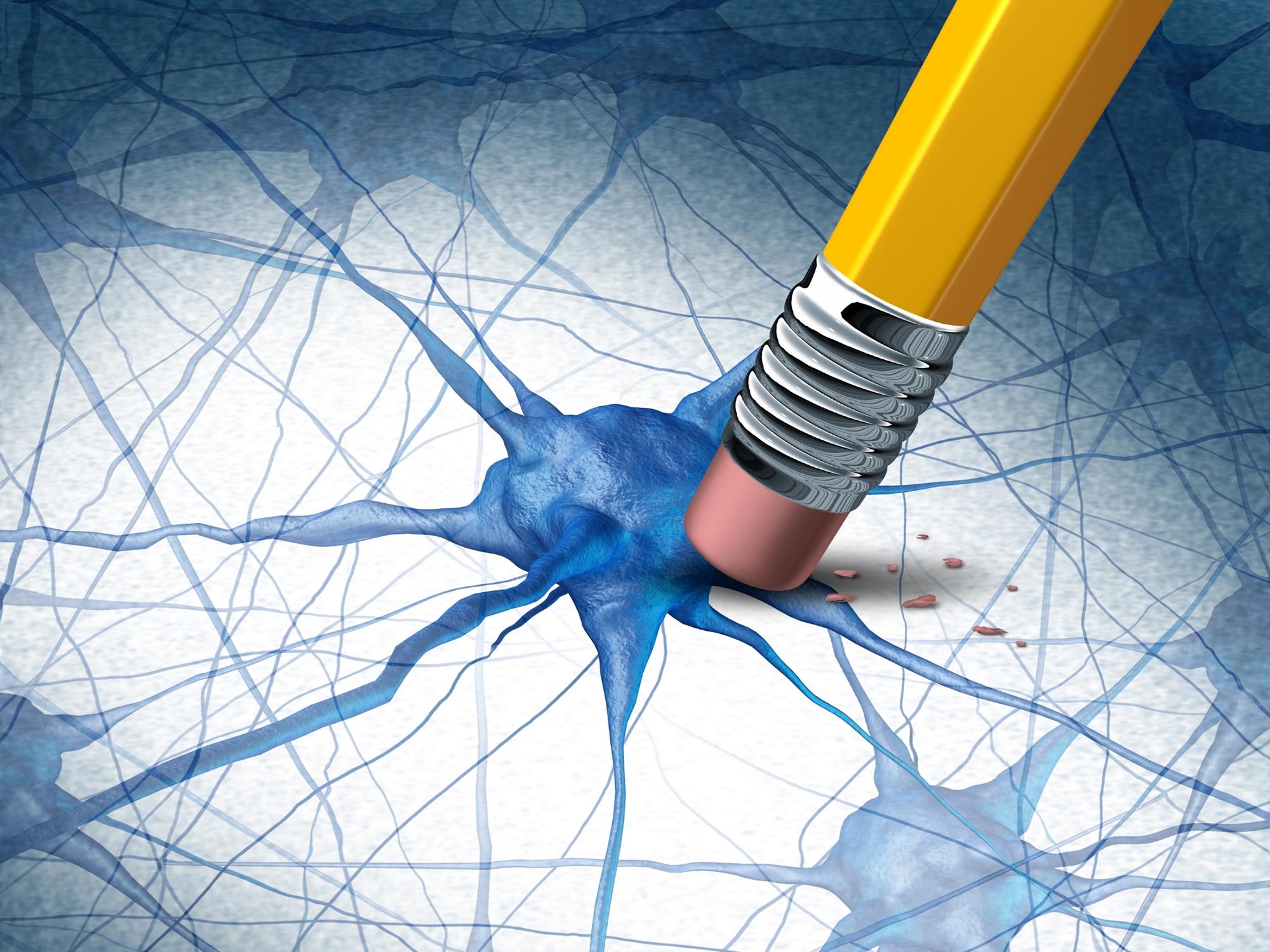
The results of a comprehensive systematic review reinforce the evidence supporting tools like the Brain Care Score in reducing the risk of age-related brain diseases.
Age-related brain diseases, including stroke, dementia, and late-life depression, can significantly impact quality of life in older adults. However, many of these conditions are preventable. A comprehensive systematic review by researchers at Mass General Brigham has identified 17 modifiable risk factors that are common to all three conditions.
The study shows that addressing even one of these factors can reduce the risk of developing stroke, dementia, and late-life depression. These findings, published in the Journal of Neurology, Neurosurgery, and Psychiatry, support the development of new prevention tools, such as the Brain Care Score.
“Our study identified 17 modifiable risk factors shared between stroke, dementia, and/or late-life depression, emphasizing that there are many different steps individuals can take to lower their risks for these age-related brain diseases,” said senior author Sanjula Singh, MD, PhD, MSc (Oxon), principal investigator at the Brain Care Labs at Massachusetts General Hospital (MGH), a founding member of the Mass General Brigham healthcare system.
The researchers systematically searched the scientific literature for previously published meta-analyses of risk factors associated with stroke, dementia, and late-life depression. Then, they combined these data to identify modifiable risk factors (i.e., those that can be altered through behavioral change) shared amongst at least two out of the three diseases. They also estimated the relative impact of each risk factor on measures of quality of life and early death.
The Top 17 Modifiable Risk Factors
Altogether, the researchers identified 17 risk factors shared by at least two of the diseases, including blood pressure, kidney disease, fasting plasma glucose, total cholesterol, alcohol use, diet, hearing loss, pain, physical activity, purpose in life, sleep, smoking, social engagement, and stress. Of these, high blood pressure and severe kidney disease had the biggest impact on the incidence and burden of stroke, dementia, and late-life depression. In contrast, physical activity and engagement in leisure activities with a cognitive aspect (e.g., puzzles) were associated with a lower risk of disease, though the researchers suspect that these associations may be symptomatic rather than causal, since individuals with brain disease may be less capable of engaging in physical and cognitive leisure activities.
“Dementia, stroke, and late-life depression are connected and intertwined, so if you develop one of them, there’s a substantial chance you may develop another one in the future,” said first author Jasper Senff, MD, post-doctoral fellow at the Singh Lab at the Brain Care Labs at MGH. “And because they share these overlapping risk factors, preventive efforts could lead to a reduction in the incidence of more than one of these diseases, which provides an opportunity to simultaneously reduce the burden of age-related brain diseases.”
Mass General Brigham researchers developed and validated the Brain Care Score to measure efforts to protect brain health and offer guidance on how to improve it. The researchers have updated the Brain Care Score to reflect the latest scientific updates. They emphasize the need for more studies on modifiable risk factors of late-life depression and call for a randomized controlled trial to test an intervention using the Brain Care Score.
“Healthcare is increasingly complex. But these findings remind us that preventing disease can be very simple. Why? Because many of the most common diseases share the same risk factors,” said Jonathan Rosand MD MSc, Founder of the Global Brain Care Coalition and the JP Kistler Endowed Chair in Neurology at MGH.
Reference: “Modifiable risk factors for stroke, dementia and late-life depression: a systematic review and DALY-weighted risk factors for a composite outcome” by Jasper Senff, Reinier Willem Pieter Tack, Akashleena Mallick, Leidys Gutierrez-Martinez, Jonathan Duskin, Tamara N Kimball, Benjamin Y Q Tan, Zeina N Chemali, Amy Newhouse, Christina Kourkoulis, Cyprien Rivier, Guido J Falcone, Kevin N Sheth, Ronald M Lazar, Sarah Ibrahim, Aleksandra Pikula, Rudolph E Tanzi, Gregory L Fricchione, Hens Bart Brouwers, Gabriel J E Rinkel, Nirupama Yechoor, Jonathan Rosand, Christopher D Anderson and Sanjula D Singh, 3 April 2025, Journal of Neurology, Neurosurgery & Psychiatry.
DOI: 10.1136/jnnp-2024-334925
Never miss a breakthrough: Join the SciTechDaily newsletter.
Follow us on Google and Google News.
1 Comment
I am a medical anthropologist researcher and author, and I study the impact of sleep position on brain function and circulation. Amazingly, that this study ignored sleep position, and only considers hours sleeping.
How you sleep is important. Gravity is the issue, and researchers at NASA study this since zero gravity in space causes fluid to shift to the head. They simulate zero gravity on Earth by having people lie flat, like when you sleep.
The issue is that, when you are standing, gravity helps pull blood from the head down to the heart, and resist blood flow to the head from the heart. When you lie down, this effect of gravity is lost with the brain and heart on the same plane. This causes blood to pump directly into the head without gravity resistance, and drainage of blood from the head is reduced without gravity assistance. This results in increased pressure in the brain, sinuses, eyes, and ears, and reduced brain overall circulation, resulting in high pressure while being starved of oxygen and sugar due to low circulation. This leads to strokes, as the pressure in the brain can rupture blood vessels over time. Most strokes happen in the middle of the night for this reason. Reducing brain pressure by sleeping with the head of the bed elevated will reduce stroke incidence.
NASA scientists discovered that raising the head of the bed 30-degrees is optimal for brain and heart circulation, which restores some of the circulatory benefits of gravity. I did a study showing that 10-30 degree head of bed elevation eliminated migraines. This head of bed elevation is also known to treat glaucoma (increased eye pressure) and sleep apnea (reduced function in the respiratory centers of the brain due to poor circulation and reduced oxygen and sugar). It also increases brain function in the morning, reducing foggy brain. And the sinuses are clearer, too. And the results are almost immediate the next morning. You also need to sleep less.
Lots of benefits from this simple head of bed elevation, which can be achieved with a wedge (like doctors prescribe for GERD and acid reflux), and adjustable bed, or by other methods which I describe in my article, Heads Up! The Way You are Sleeping May Be Killing You! https://www.academia.edu/1483361/Heads_Up_The_Way_You_Are_Sleeping_May_Be_Killing_You_
It’s unfortunate that medicine consists of segmented specialties that don’t communicate with one another, since this issue is known in space medicine, but ignored by doctors. This could be the most important thing you can do for your brain. Try it and see for yourself.