
A large genetic analysis suggests that Phelan-McDermid syndrome may affect far more people than previously recognized.
For some families, a genetic diagnosis can explain years of medical, developmental, and behavioral challenges. But many people with Phelan-McDermid syndrome (PMS) may still have no idea that they carry the condition.
Researchers led by the Seaver Autism Center for Research and Treatment at Mount Sinai now estimate that PMS affects about 1 in 7,300 people, far more than earlier estimates suggested. The findings were published in Autism Research.
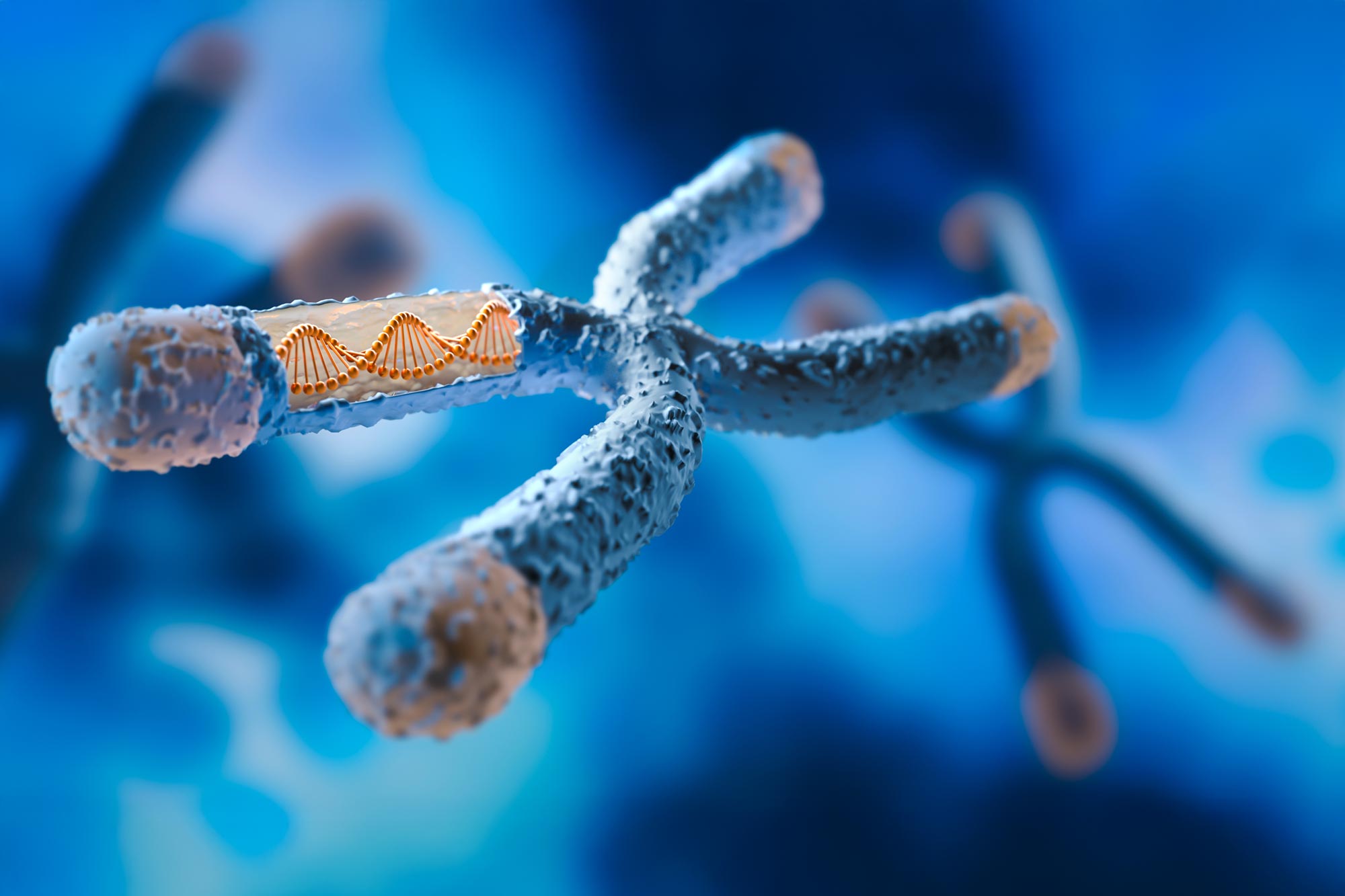
Phelan-McDermid syndrome develops when part of the SHANK3 gene on chromosome 22 is deleted or altered. The condition can affect health, learning, behavior, and development in many different ways. Most people with PMS also meet the criteria for autism spectrum disorder, and changes involving SHANK3 are believed to account for as many as one percent of autism spectrum disorder cases.
A much larger population comes into view
Estimating how many people have PMS has been difficult because many individuals with autism or developmental disabilities never receive comprehensive genetic testing. To overcome that gap, Mount Sinai researchers assembled a much larger pool of evidence than any single clinic or laboratory could provide.
They analyzed genetic testing records from nearly 180,000 people with autism and combined information from ten independent sources. These included GeneDx, Labcorp, Ambry Genetics, the SPARK research study, the Autism Sequencing Consortium, and several major children’s hospitals.
The researchers then adjusted the data to account for people who may remain undiagnosed, tests that might miss SHANK3 changes, and individuals with PMS who do not meet the criteria for autism. Their final estimate was 13.7 cases per 100,000 people, or roughly 1 in 7,300.
Applied to the United States, that estimate suggests that more than 45,000 people may be living with PMS. The size of that number points to a substantial gap between those who have the condition and those who have received a diagnosis.
“The large gap between known and estimated cases is likely due in large part to the fact that many individuals with developmental disabilities and autism are never offered genetic testing. Families may also face insurance barriers or may receive tests that do not adequately evaluate the SHANK3 gene,” said Tess Levy, MSc, Assistant Professor of Psychiatry at the Icahn School of Medicine at Mount Sinai, a certified genetic counselor at the Seaver Autism Center, and first author of the paper.
“We recommend that every child with autism undergo genetic testing, because knowledge is power. These genetic findings allow researchers to design more targeted clinical trials for potential therapies. I truly believe that within the next five years, we’ll see successful examples of new treatments coming from these genetic discoveries,” said Joseph D. Buxbaum, PhD, Director of the Seaver Autism Center, co-founder of the Autism Sequencing Consortium, and senior author of the paper.
A diagnosis now opens more doors
Supported by CureSHANK and Neuren Pharmaceuticals, the research represents one of the most extensive attempts yet to measure how common Phelan-McDermid syndrome may be.
The timing matters because several PMS clinical trials are already underway. Some are testing precision medicine approaches, which are designed around the specific biological changes behind a condition rather than treating symptoms alone.
That changes what a diagnosis can mean for families. Identifying PMS may provide an explanation, but it can also connect patients with specialized medical care, research studies, clinical trials, support communities, and possible future therapies intended to modify the course of the condition.
“This study confirms what many families, clinicians, and advocates have suspected for years,” said CureSHANK Board Chair, Geraldine Bliss. “There are likely tens of thousands of individuals with Phelan-McDermid syndrome who have never received a genetic diagnosis. At a time when multiple therapeutics are advancing into clinical trials, finding these individuals has never been more important.”
Missed diagnoses carry growing consequences
The results add urgency to efforts to make genetic testing more widely available. They also support CureSHANK’s work and Start Genetic, a global campaign encouraging patients, families, health care professionals, and advocacy groups to consider genetic causes earlier.
The central problem is straightforward. Precision medicine cannot reach people whose condition has never been identified. Without a diagnosis, patients may remain disconnected from specialists, studies, support networks, and emerging treatment opportunities.
“Every undiagnosed individual represents more than a missing statistic,” Ms. Bliss said. “It represents a family searching for answers, a person disconnected from support, and a patient who may miss opportunities to participate in research or access emerging therapies. As treatments move closer to reality, identifying these individuals becomes a moral imperative.”
Reference: “Prevalence of Phelan McDermid Syndrome Estimated To Be ~1:7300 Using a Multisource Model” by Tess Levy, David Lapidus, Kate Friedman, Paige Siper, Larry Glass, Liza Squires, Mary Hames, Joseph D. Buxbaum, and Alexander Kolevzon, 28 June 2026, Autism Research.
DOI: 10.1002/aur.70297
This project was funded by CureSHANK and the Seaver Autism Center. The work of D.L. was funded by Neuren Pharmaceuticals.
Never miss a breakthrough: Join the SciTechDaily newsletter.
Follow us on Google and Google News.